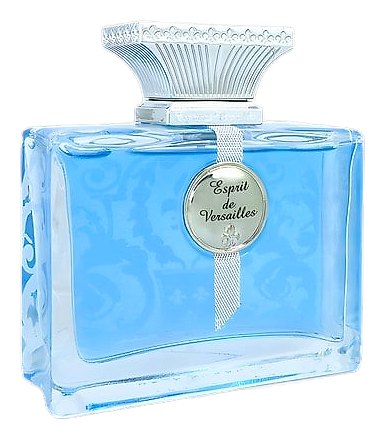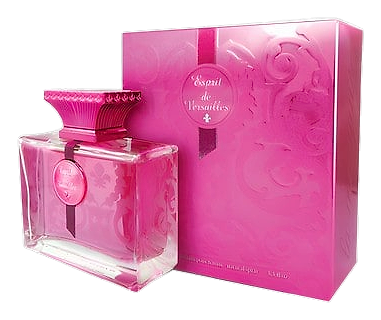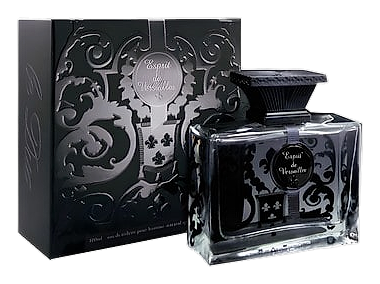

The Story
Why it exists.
The beginning
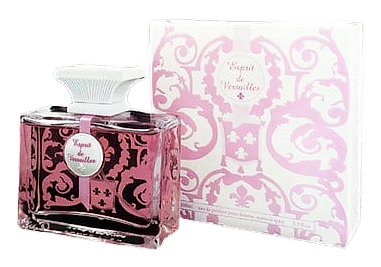
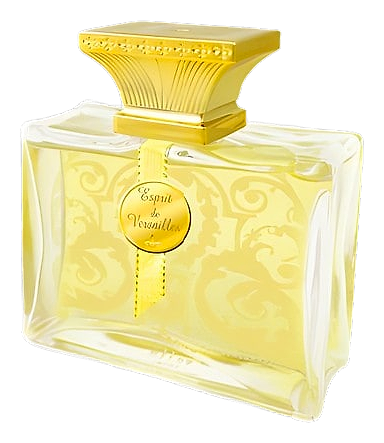
Vincent Schaller composed this scent, building it around a green-fresh top that opens with crushed basil, green apple, and lemon. The opening is bright and aromatic, something that reads more like a country garden than a formal salon, an airy rush of crushed green leaf and cool citrus zest that catches the air around you. The pivot to pine, neroli, and labdanum in the heart shifts the mood toward something deeper, resinous, less polite. Each of those middle notes carries its own weight: the pine is dry and clean, almost candied in its sharpness, the neroli threads a soft floral brightness through the resinous shadows, and the labdanum brings a low, amber warmth that grounds the whole accord.
Pine threads the herbal sharpness of the basil through to the woody base. Its role in the heart is structural, pulling the aromatic top notes into the cooler, drier territory below and giving the composition an unusual backbone that feels more forest than florist. The resinous warmth of the labdanum sits where resinous warmth tends to sit, pulling everything a half-shade warmer without tipping into sweetness. The result avoids settling into anything predictable, with the green apple and neroli each doing their own small work to keep the scent from going soft or generic.
The evolution
In the early stages of wear, the basil registers first as a cool, peppery green that almost fizzes against the brighter lemon, with the green apple sitting just underneath like a faint tartness that catches you off guard. Bright, herbal, almost bracing. Then pine arrives, and it doesn't sneak in. The dry, resinous coldness shifts the entire landscape and stays present alongside the neroli's soft floral edge. The labdanum works quietly underneath, pulling warmth into a composition that started so sharp. As the hours pass, the top notes gradually fade, giving way more and more to the woody and mossy base beneath. The cedar, oakmoss, and patchouli carry the weight, with the patchouli grounding everything in something dark and earthy. The drydown is where the scent becomes most itself, a mossy, woody presence that reads as clean but never sterile.
Cultural impact
Wearers note that Le Duc draws comparisons to Bleu de Chanel from those who approach it expecting a more straightforward modern release, though the pine and oakmoss push it in a more traditional green direction than many contemporary niche launches manage. The scent reads as cool and composed, a contemporary take that nods to green-woody compositions long associated with French masculine fragrance rather than to the cleaner, more aquatic mainstream. There is a quiet formality to it, the kind that suits a wool coat more than a gym bag, and it wears close to the skin rather than projecting aggressively.
The House
Esprit de VersaillesEsprit de Versailles is a French niche fragrance house that draws directly on the perfumery heritage of Versailles. The brand launched its debut collection in 2013, offering a focused range of six compositions built around aristocratic personae. Among the most recognized are Esprit de Versailles for Him, Esprit de Versailles for Her, La Duchesse, Le Duc, Le Marquis, and La Marquise. The house takes a thematic approach to perfumery, framing each fragrance as a portrait of courtly character rather than a generic gendered scent. Operating from the region historically associated with the birth of the perfumer's profession, Esprit de Versailles positions itself within a centuries-old French tradition while speaking to a modern audience of niche fragrance enthusiasts.
The Creator
Vincent SchallerSchaller's olfactory signature resists easy categorization, though his work consistently displays structural clarity and material richness. He gravitates toward warm woods, particularly sandalwood and cedar, and pairs them with animalic bases of natural and synthetic musks.