The Story
Why it exists.
The beginning
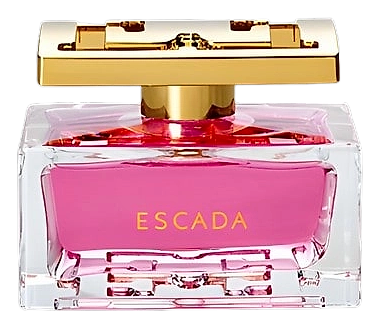
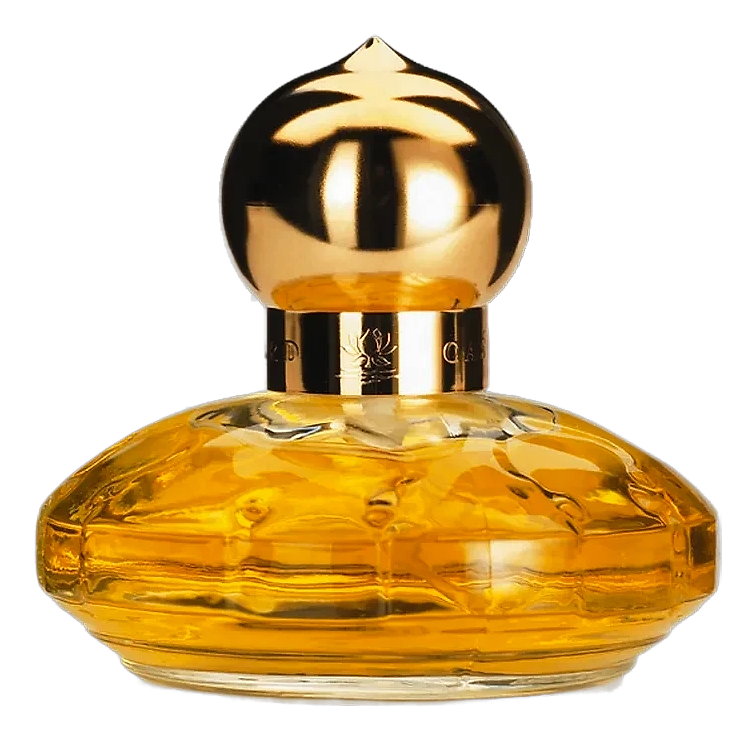
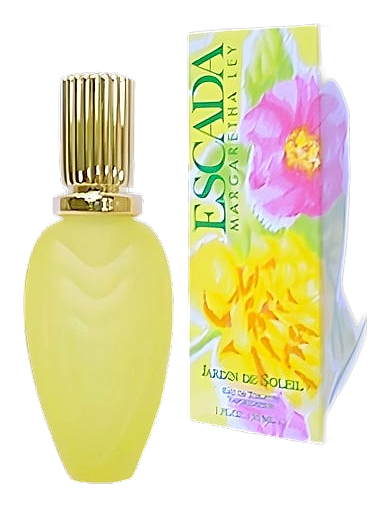
Sophie Labbé received one clear instruction in 1996: capture a garden in full sun. The brief was specific to the season, the name was the concept, and Labbé built upward from there. Jardin de Soleil translates as garden of sun, a seasonal limited edition designed for Escada's spring-summer lineup, packaged in the brand's signature bright yellow heart-shaped bottle that mirrored the scent's warmth from the outside in. The 1996 launch positioned it alongside other seasonal Escada releases, each one a deliberate chapter in the brand's story rather than a permanent fixture. This one ended its run. The concept survives.
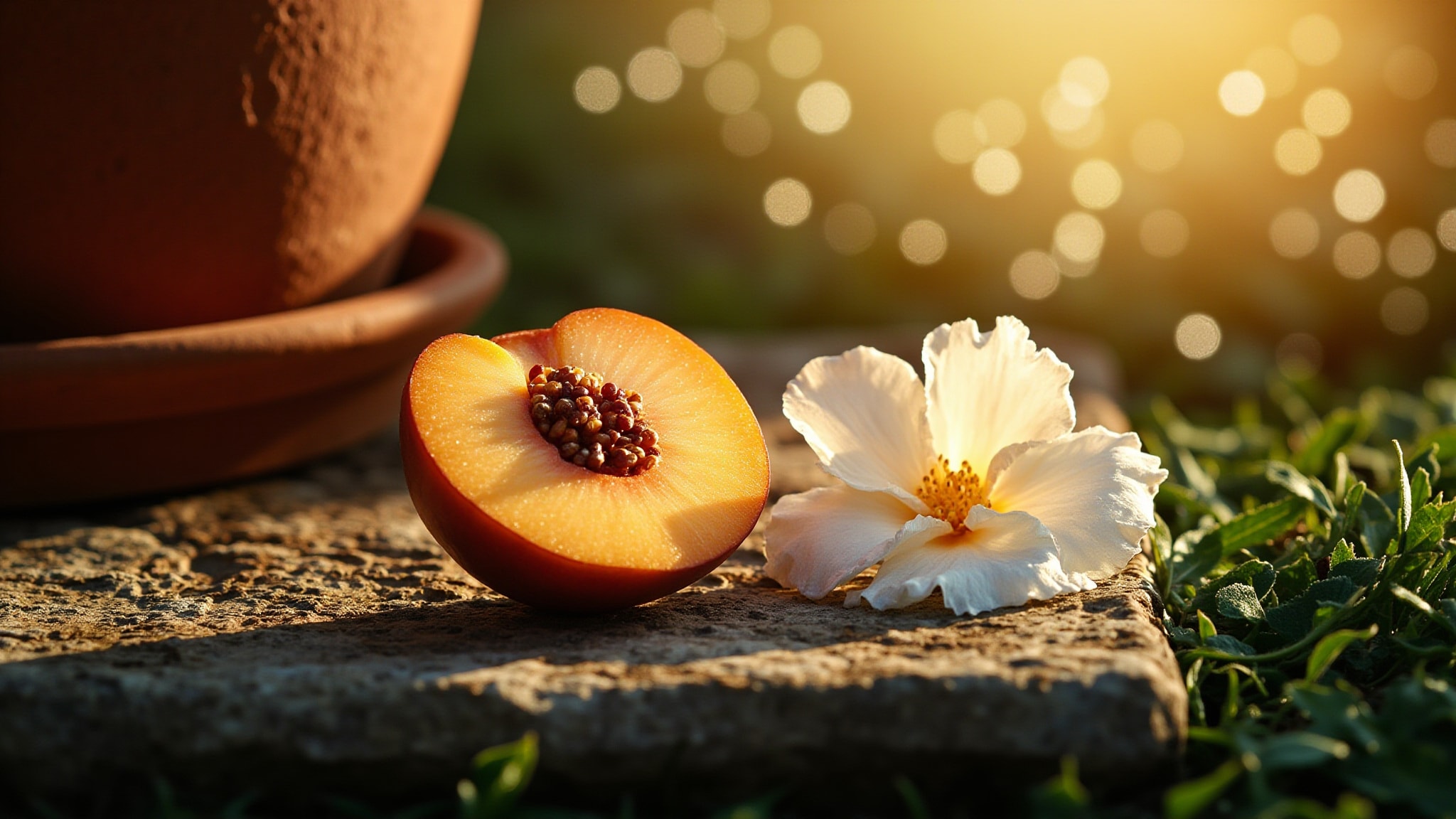
What Labbé understood was that a sunlit garden risks one thing: sweetness without resistance. The opening solves this with neroli's bitter citrus edge cutting through raspberry's ripe fruit and peach's stone-fruit softness. Gardenia adds waxy white floral depth. Tuberose provides the intoxicating creaminess, but it arrives after the neroli has already established structure. The heart layers orange blossom's honeyed sweetness with hyacinth's green, watery character, introducing a cooler counterpoint to the warmth above. Oakmoss in the base gives Escada's signature earthy grounding, preventing the composition from floating away entirely.
The evolution
The opening arrives tart and alive. Neroli's citrus bite meets raspberry's sweetness, the two pulling in opposite directions before gardenia and peach soften the tension. Tuberose announces itself mid-phase, creamy and present, but the initial green bite doesn't fully disappear. It keeps the florals honest. By the heart, the citrus has receded. Orange blossom takes over, its sweetness amplified by the lingering gardenia and the cool green of hyacinth beneath. This is the garden at its fullest, not a single flower, but everything open at once. The drydown doesn't rush. Sandalwood arrives late, dry wood settling like late afternoon. Oakmoss stays throughout, a quiet green whisper that keeps the florals from becoming too warm. Six to eight hours of garden warmth on skin.
Cultural impact
Jardin de Soleil was part of Escada's broader seasonal release strategy during the 1990s, a decade when the house built its fragrance identity through limited editions and flankers. It doesn't have the sustained cultural footprint of some contemporaries, but for Escada collectors and fans of that era's fruity-floral sensibility, it represents something specific: the house's particular balance of bright fruit and structured white florals, anchored by oakmoss in a way that feels distinctly of its time.