The Story
Why it exists.
The beginning
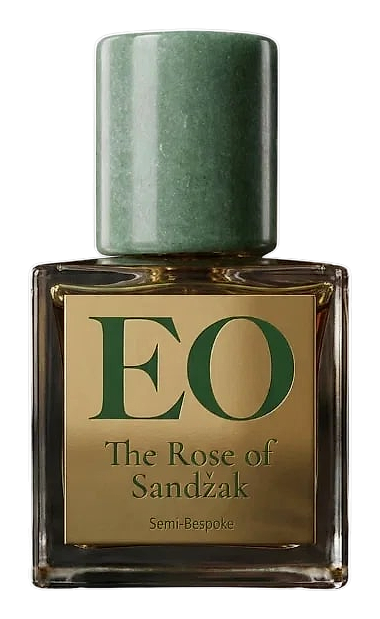
The Rose of Sandžak arrived in 2026 as part of Ensar Oud's Eid Specials collection, a release that puts the brand's most concentrated rose work into a single composition. Sandžak itself carries the weight of layered cultural history, a region where Ottoman, Balkan, and Central European currents have braided together for centuries. That braid becomes the conceptual ground for the scent: rose traditions meeting resinous Eastern perfumery in a way the brand treats as a genuine structural question, not a decorative gesture. Ensar Oud built this around a single obsession: how many distinct rose expressions can one fragrance carry without collapsing into confection. The answer, apparently, is seven.
Seven roses in a single composition is an unusual structural choice, and one that immediately complicates the traditional rose-oud formula. Where most rose-oud perfumes build around a single floral reference and let the oud do the heavy lifting, this one insists on layering varietal against varietal, each rose contributing a different texture. Bulgarian opens dense and jammy, the white roses add a cleaner edge, and the arrangement between them becomes the composition's central negotiation.
The evolution
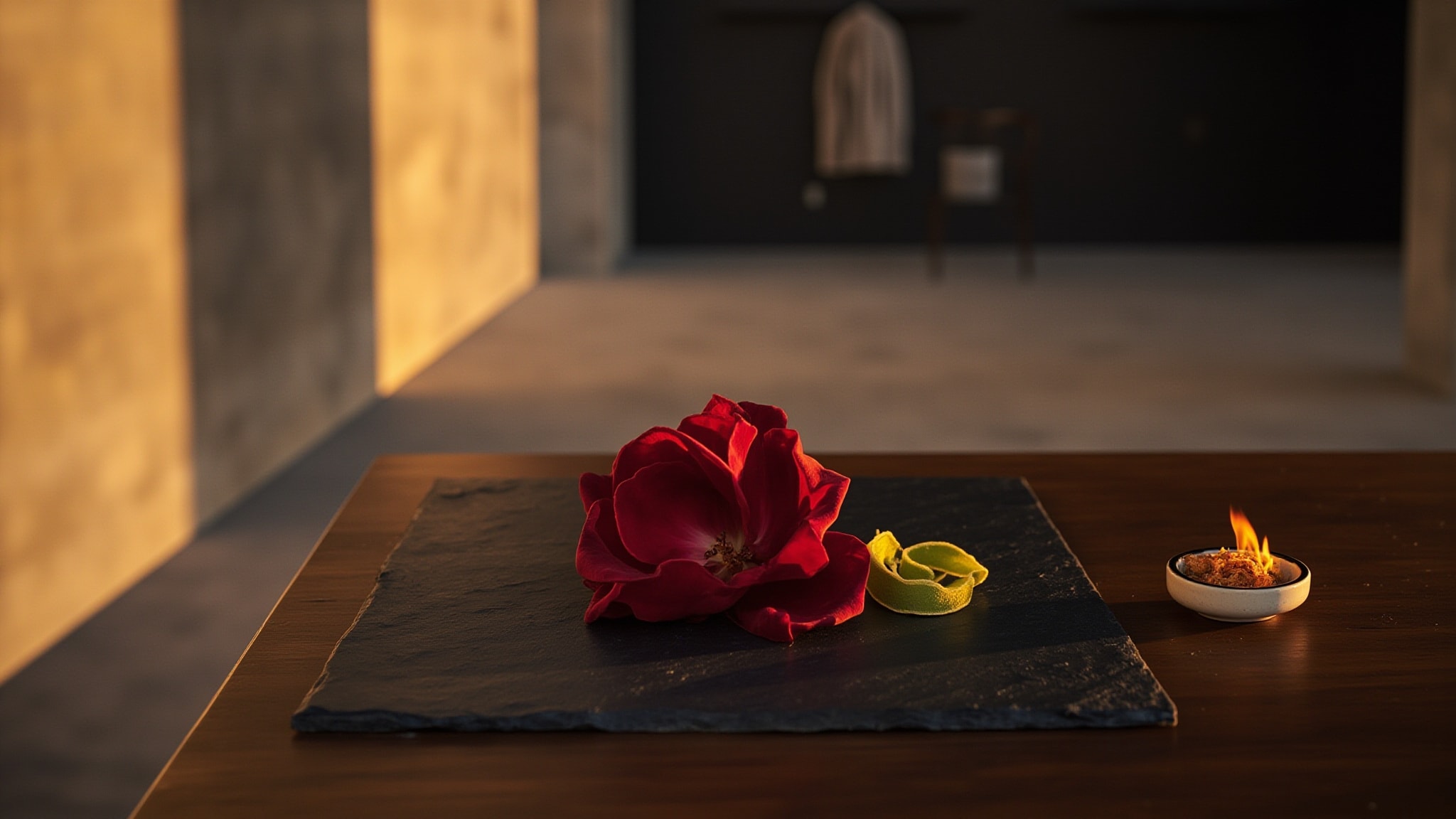
The opening is almost aggressively bright. Korean yuzu and green mandarin hit the skin like citrus oil squeezed straight from the peel, sharpened by neroli and a pulse of cardamom. There's a fleeting flash of costus root, earthy and almost animalic, that hints at what's coming. The citruses begin to recede and the rose architecture reveals itself, not as one bloom but as a procession, the Bulgarian opening dense and jammy before the lighter, cooler whites surface. Civet sits beneath the roses giving them a worn-in warmth, not soapy but lived-in. From there, the oud arrives in layers. Each regional oud seems to surface in turn, contributing a different facet to the base, a smokier passage, then a greener phase, before the frankincense and ambergris settle the composition into something resinous and contemplative.
Cultural impact
The Rose of Sandžak treats both the floral pyramid and the oud base as architectural equals, a structural choice that puts it in conversation with a small category of rose-ouds where the roses are given the same compositional weight usually reserved for the agarwood. The floral pyramid itself is unusual: seven rose varietals, Bulgarian, May, Gallic, Afghan, Taif, Caucasian mountain, and Swiss white, layered in sequence, each contributing a different texture and regional character. Beneath them sit five oud origins, drawn from Papua, Malayan, Bornean, Sri Lankan, and Thai sources, each adding its own facet to the foundation.