Korean Yuzu
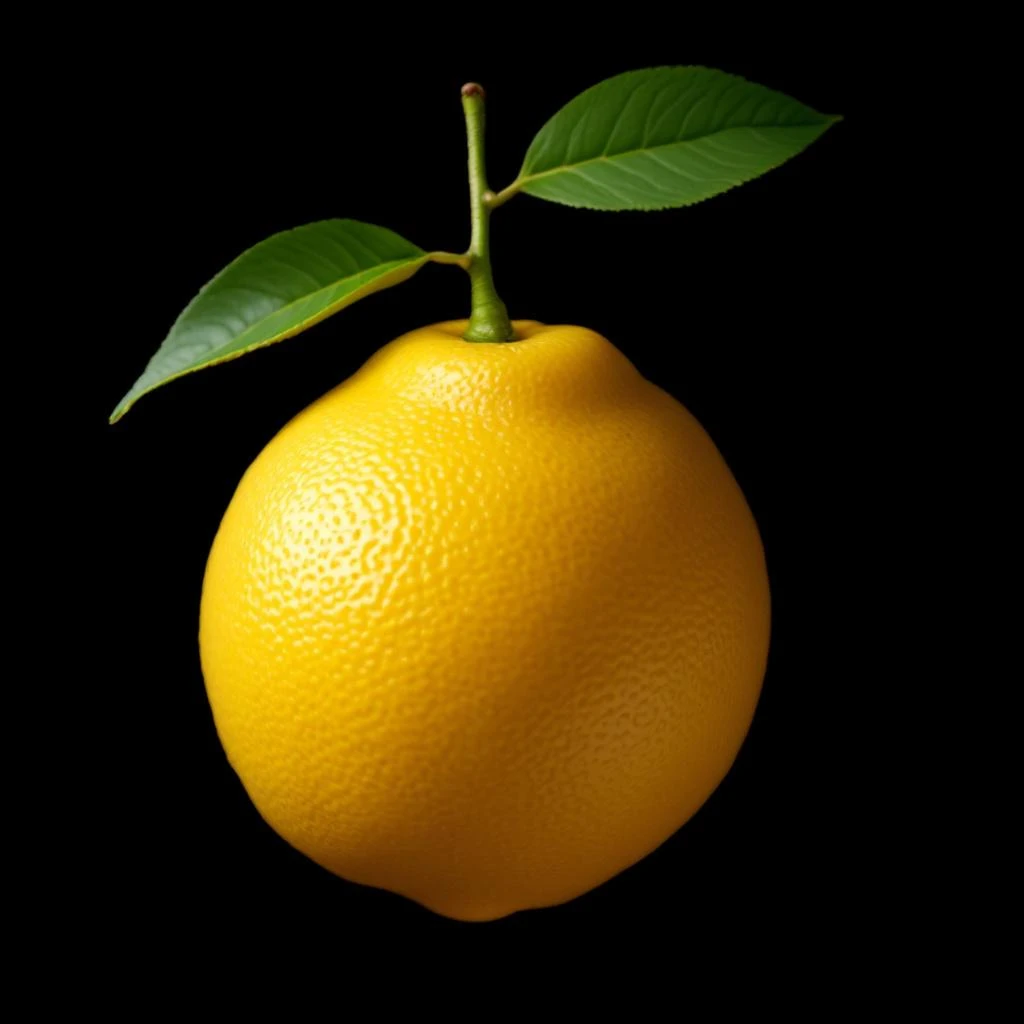
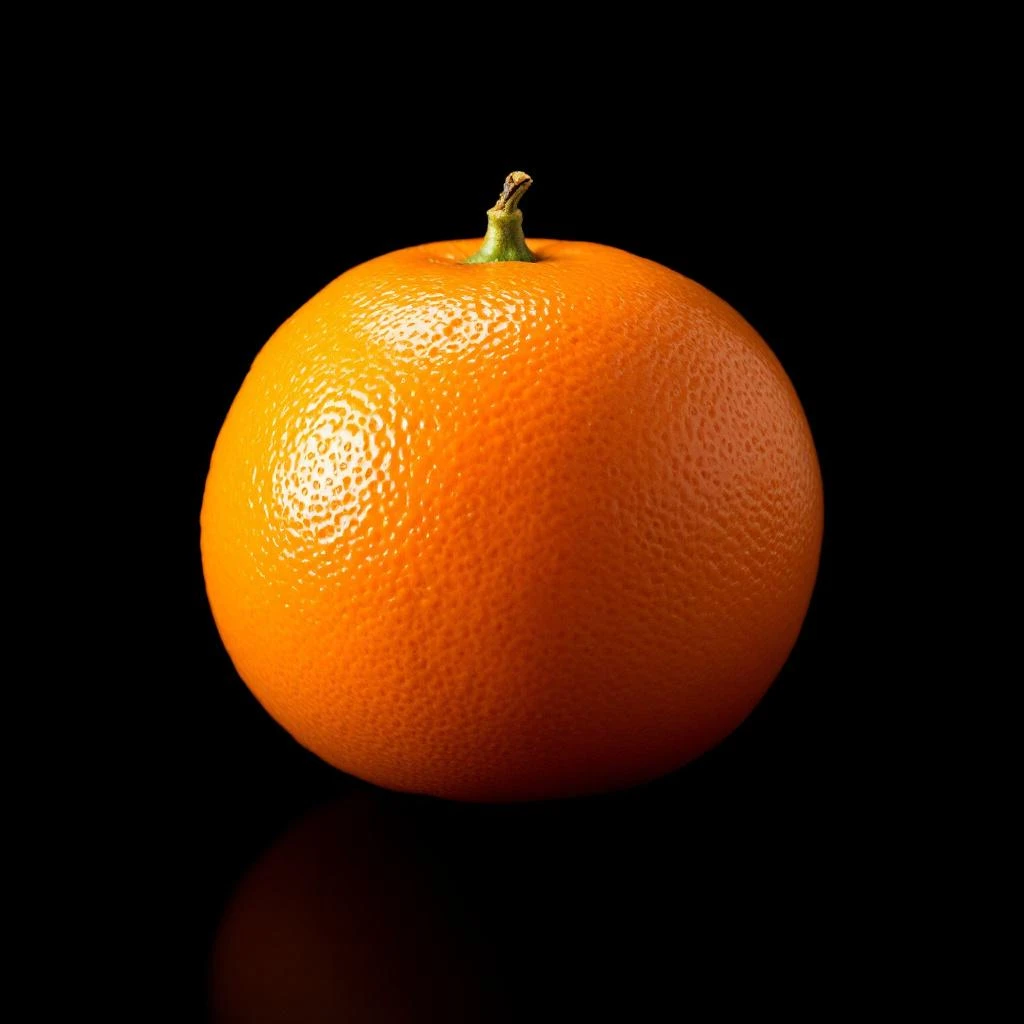
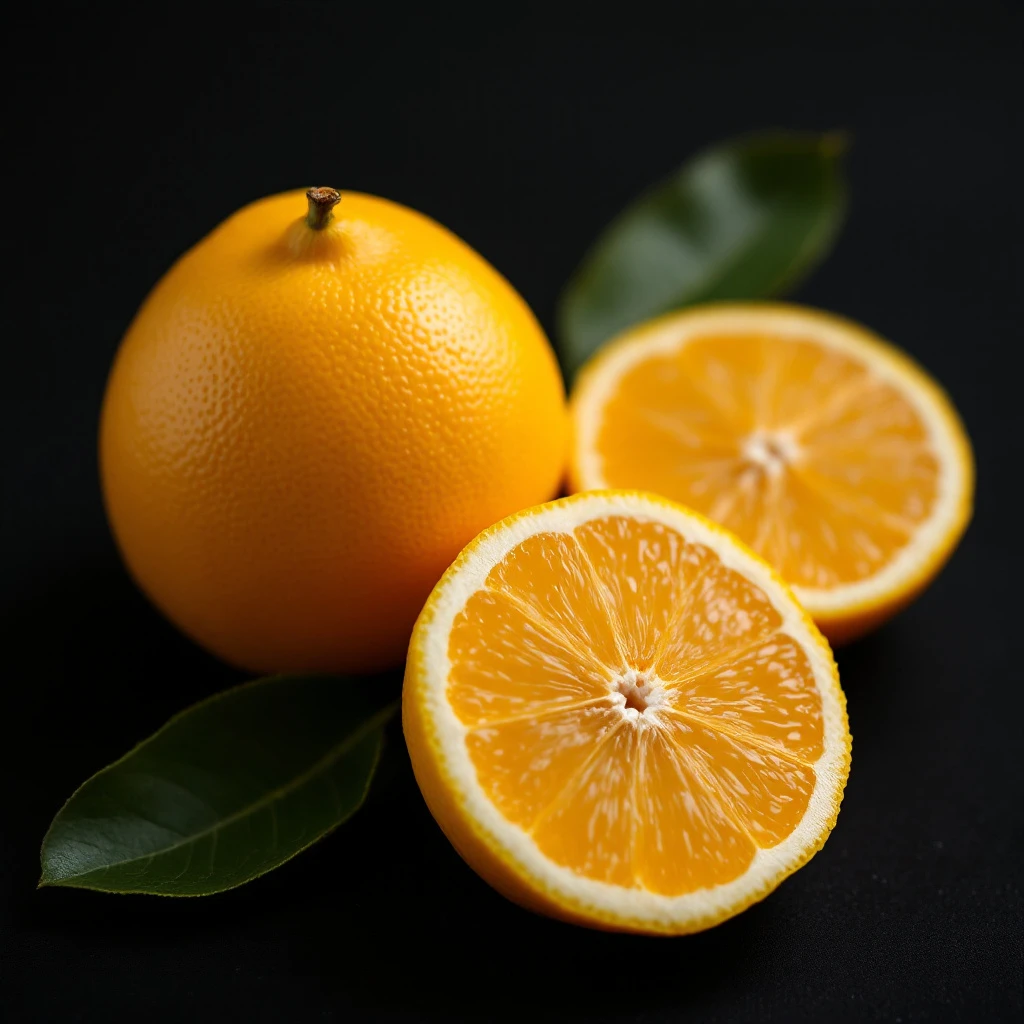
Korean yuzu brings a luminous brightness to perfumery, its rind holding a citrus complexity that surpasses its Japanese cousin. Bergamot meets tangerine with an unexpected floral whisper, a scent that has perfumed East Asian rituals for centuries.
Character
How it smells
Korea's crown jewel citrus, alive with light and floral depth.
Korean yuzu trees take up to 15 years to bear fruit, producing only a fraction of what lemon trees yield.


Origin
South Korea
Yuzu traces its roots to the wild highlands of China and Tibet, where the fruit grew uncultivated for centuries before humans recognized its aromatic value. During the Tang Dynasty between 616 and 907 CE, yuzu spread eastward into Korea and Japan along established trade routes, where it rapidly became embedded in cultural and ritual life. Korean apothecaries and court perfumers adopted yuzu for its energizing, purifying qualities, using it in ceremonial waters and temple incenses.
For centuries, Korean households have associated yuzu with Lunar New Year celebrations, placing the fruit in bathwater during the coldest months to ward off illness and invite renewal. The ingredient remained largely unknown outside East Asia until Korean beauty brands like Amorepacific began featuring yuzu extracts in premium skincare and fragrances, drawing global attention to Korea's distinctive citrus heritage.
Wears it best
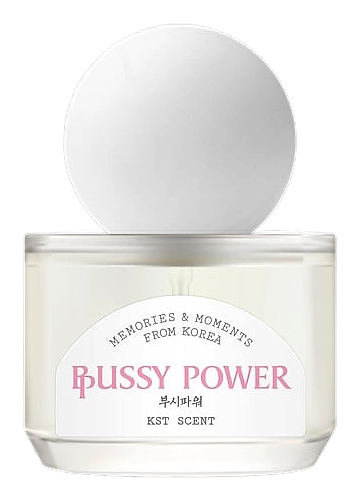
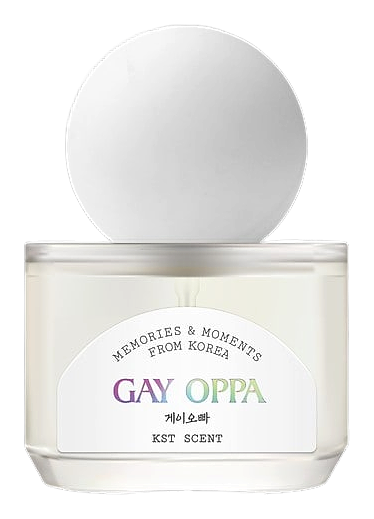
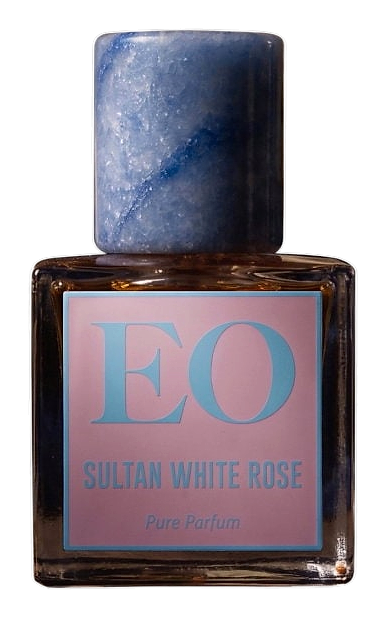
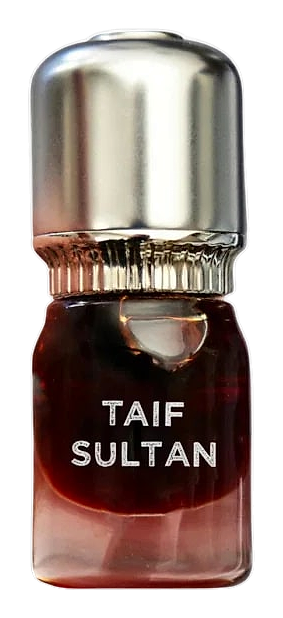
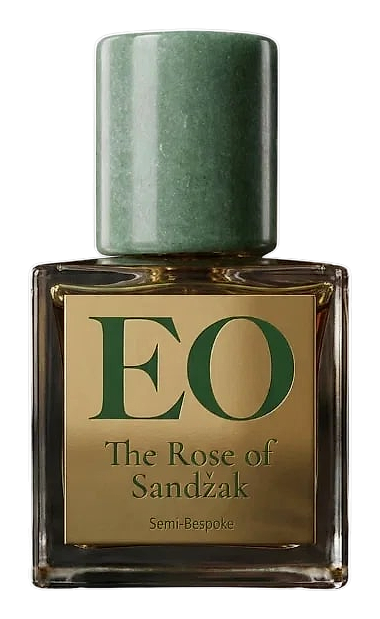
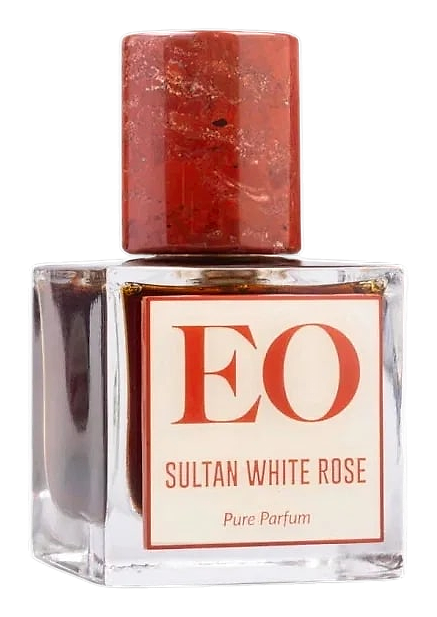
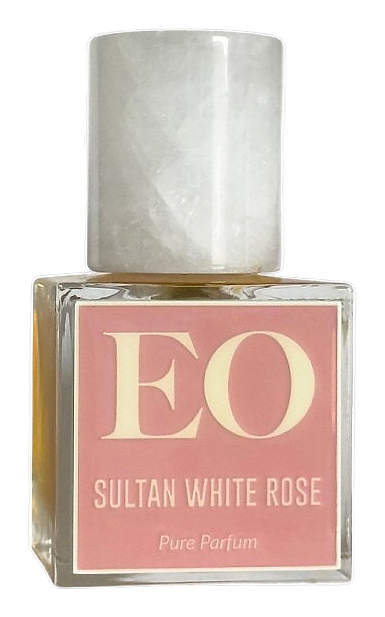
Fragrances featuring Korean Yuzu
Good to know
Questions, answered
The essentials on Korean Yuzu in perfumery: how it smells, where it comes from, and how it behaves on skin.
What does Korean yuzu smell like?
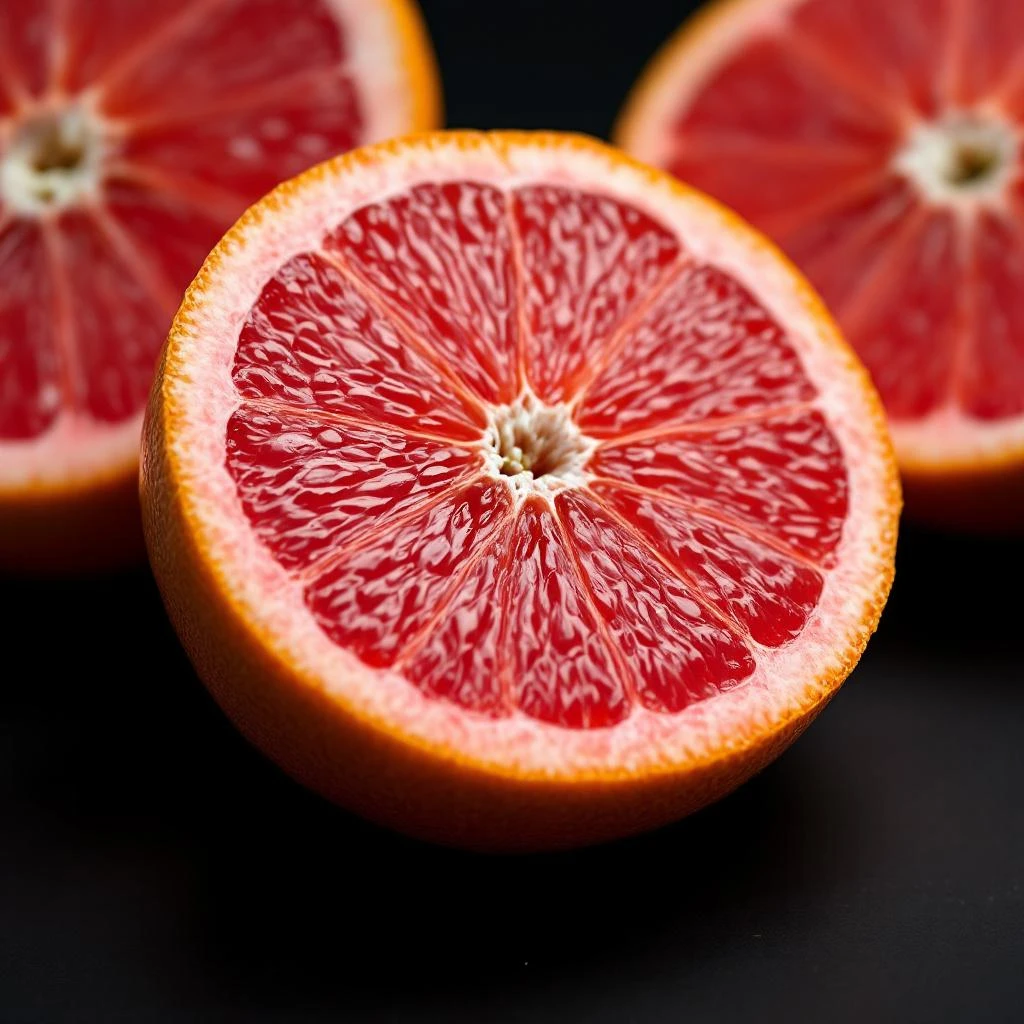
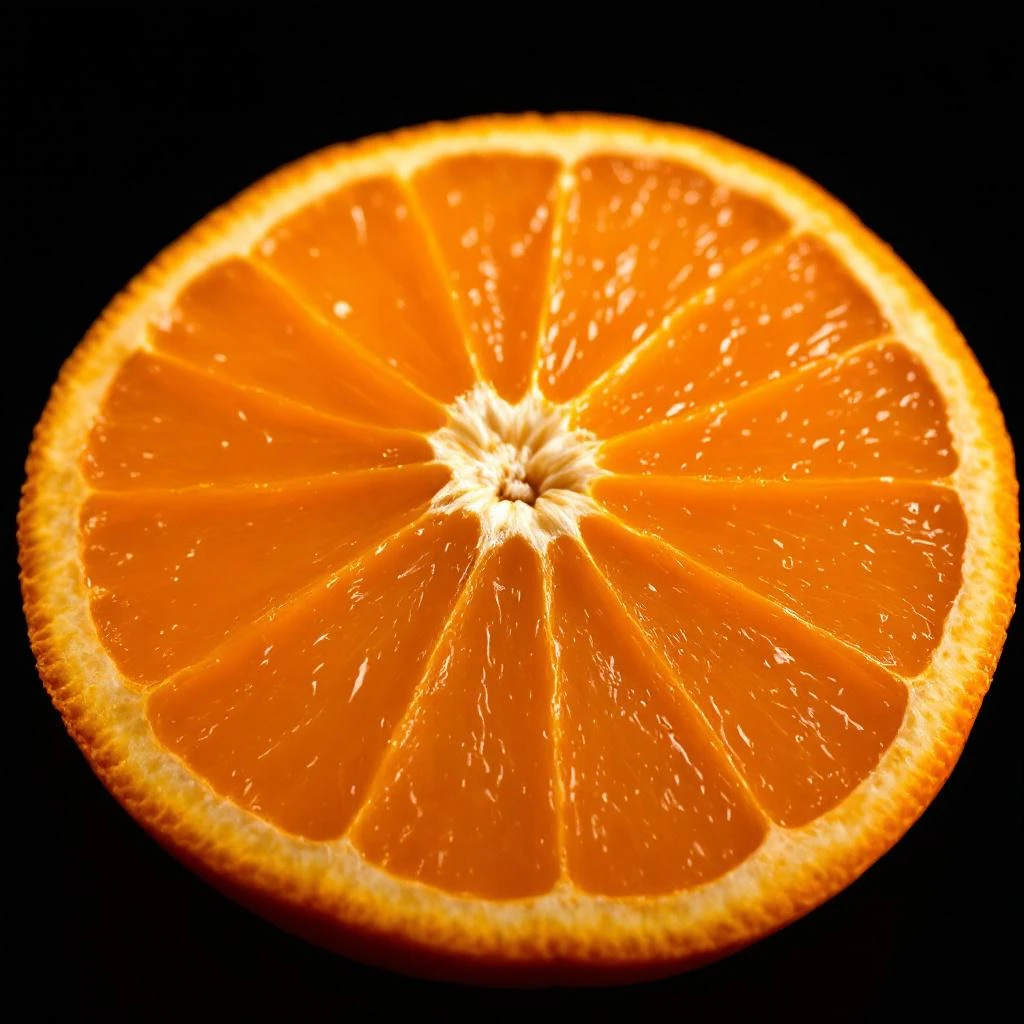
Korean yuzu opens with sharp, sparkling citrus brightness reminiscent of bergamot and grapefruit, then softens into a floral tangerine heart with a subtle green undertone. Its profile is more complex and less sweet than common lemon.
Is yuzu oil synthetic or natural?
Natural yuzu oil exists but remains uncommon due to limited supply. High-quality yuzu accord in perfumery often blends natural cold-pressed oil with nature-identical molecules to recreate the full profile consistently.
How is yuzu oil extracted?
Yuzu oil is extracted exclusively from the fruit rind using cold expression, a mechanical method that avoids heat. This preserves the delicate aldehydic and floral top notes that define authentic yuzu character.
Where does quality yuzu originate?
Japan produces the majority of world yuzu, with Kochi prefecture alone accounting for roughly 51% of national output. Korea and China contribute smaller but distinct harvests with subtly different aromatic profiles.
Why is yuzu considered rare in Western perfumery?
Yuzu trees take up to 15 years to mature and produce small, thorny fruits with low oil yield per unit. Combined with labor-intensive hand harvesting, supply cannot easily scale to meet global fragrance industry demand.
What fragrance families pair well with yuzu?
Yuzu bridges citrus, floral, and green fragrance families. It pairs naturally with white musk, neroli, green tea, bamboo, and transparent wood bases like cedar and sandalwood.
Does Korean yuzu differ from Japanese yuzu?
Korean yuzu tends toward a slightly sharper, more tart profile with deeper floral notes, while Japanese yuzu leans softer and more honeyed. Terroir, microclimate, and cultivation practices create these regional distinctions.
What season does yuzu harvest occur?
Yuzu harvests occur in late autumn through winter, typically November through January in the Northern Hemisphere. The cold-season harvest coincides with peak aromatic concentration in the fruit rind.