The Story
Why it exists.
The beginning
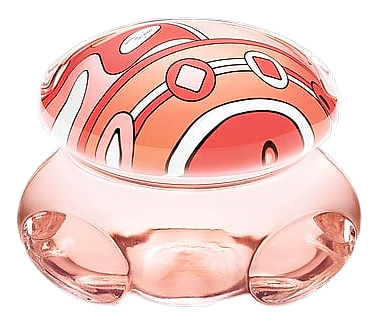
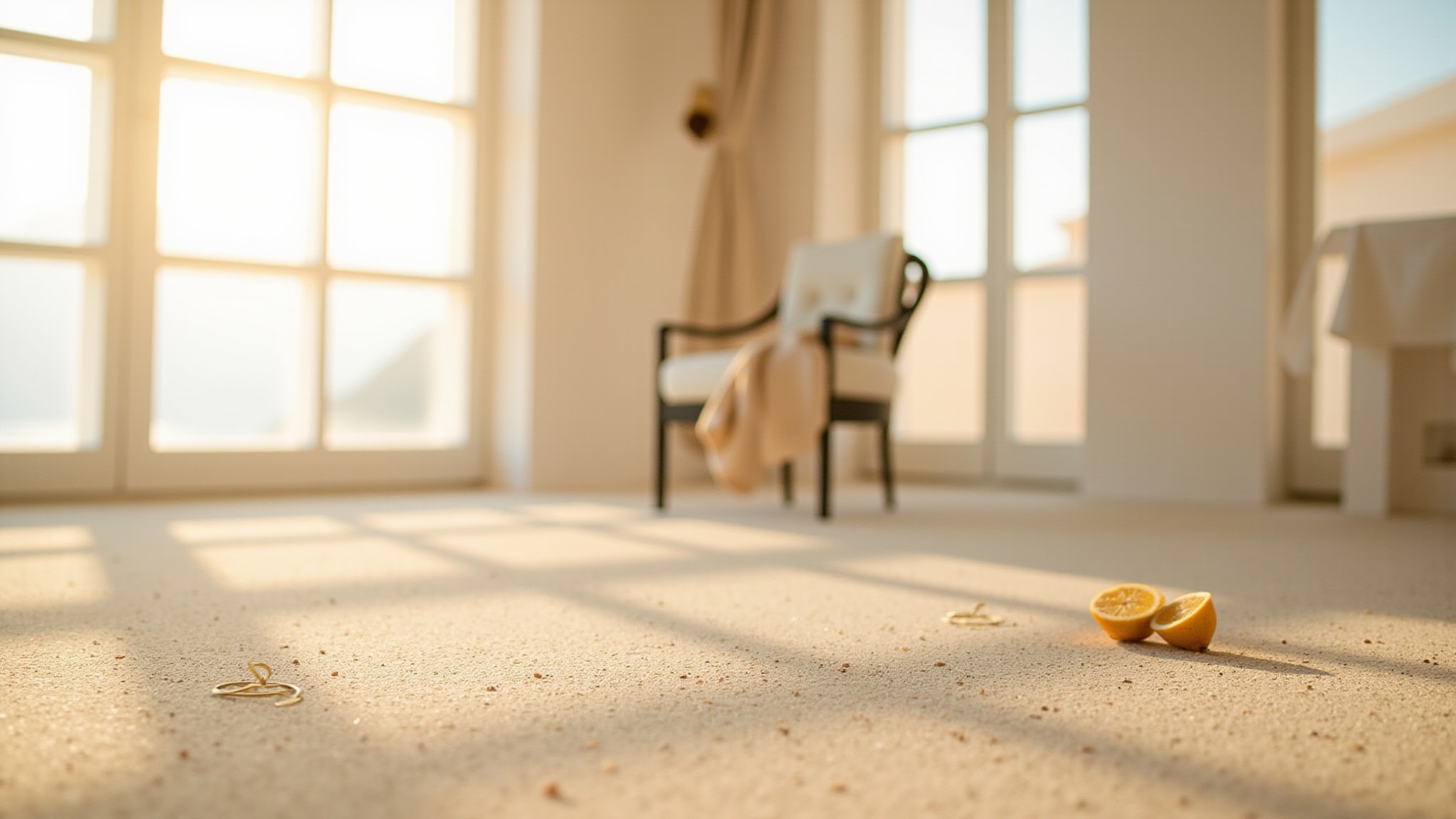
Sabbia 167 was one of three fragrances Emilio Pucci released in 2009, each one a fragment of Mediterranean light. Sabbia is sand. Not the decorative kind, not the souvenir-pretty kind. Sun-scorched sand the color of bleached bone, the kind that holds heat long after the sun drops. Pucci, a house built on color and movement, turned its eye toward the driest, most mineral element of the coast and asked perfumer Annick Ménardo to bottle it. Ménardo kept the formula spare, stripping away the usual sweetness and oriental scaffolding that anchored most releases of the era. Five ingredients working in quiet opposition, each one pulled toward the dry, the bright, the sun-baked.
What makes this structure interesting is what got left out. The praline sits dry, almost dusty, rather than sticky. The sandalwood runs lean, closer to raw timber than the creamy variety that dominated the period. Ménardo built the composition like a reduction, not a layering. Every note has to earn its place, and the accords confirm it: powdery iris first, then smoky wood, then a thread of citrus that never quite leaves.
The evolution
The opening belongs to Amalfi lemon and mandarin, but they don't announce themselves. They arrive thin, almost metallic, the way citrus smells after sitting on a hot surface for too long. The iris crashes in, and this is where the fragrance becomes itself. Powdery, rooty, mineral, like crushed orris and warm dust. The praline ghosts in underneath, dry and faintly nutty, adding a toasted edge without any sweetness. From there, the composition settles into an iris-and-sand accord, flat and wide and very much in your airspace. The sandalwood eventually takes over, but it's not the smooth, creamy sandalwood most people expect. It's drier, almost papery, with a smoked-wood character that recalls timber left out in the sun. What stays on skin the longest is the iris residue, that dusty violet-mineral trace that clings to fabric and hair for the rest of the day.
Cultural impact
Sabbia 167 sits in an unusual register. Its spare formula and dry, mineral character set it apart from the sweeter, more layered designer releases of its period, and it attracted attention from wearers who gravitate toward iris-forward compositions. The fragrance doesn't chase trends. It occupies a specific territory: powdery, sun-baked, stripped of the oriental scaffolding that dominated the era. Reviews and wearer commentary cluster around the same observations: the iris dominates without ever turning soapy, the praline stays dry rather than sticky, the sandalwood reads more like smoked timber than like the creamy variety.