    Brand Profile

    Emilio Pucci is an Italian fashion house that extends its celebrated legacy of vibrant prints into a line of fragrances. Since its founding…More

    Italy·Est. 1947·Site

    2

    Fragrances

    4.1

    Rating

    19
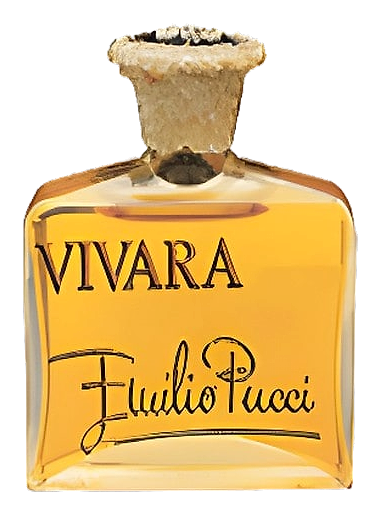
    Vivara Black Edition by Emilio Pucci
    Best Seller
    4.7

    Vivara Black Edition

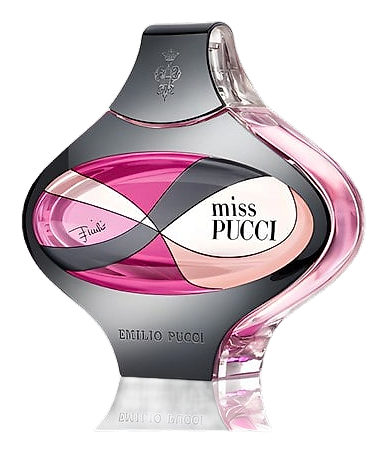
    Miss Pucci by Emilio Pucci – Eau de Parfum
    3.5

    Miss Pucci

    Eau de Parfum

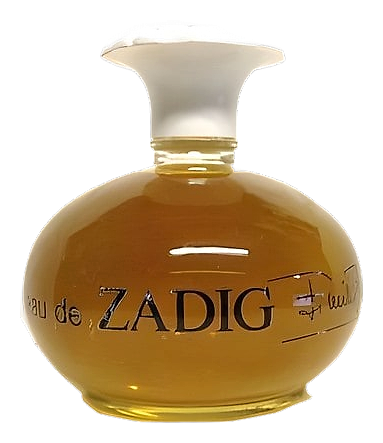
    Eau de Zadig by Emilio Pucci
    Best Seller
    4.4

    Eau de Zadig

    Zadig by Emilio Pucci
    Best Seller
    4.3

    Zadig

    Miss Zadig Eau Fraîche by Emilio Pucci
    4.3

    Miss Zadig Eau Fraîche

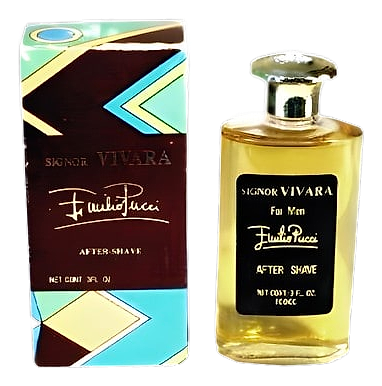
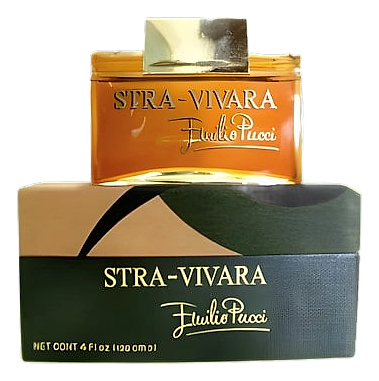
    Signor Vivara by Emilio Pucci
    4.2

    Signor Vivara

    Vivara (1965) by Emilio Pucci
    4.2

    Vivara (1965)

    Vivara Silver Edition by Emilio Pucci
    4.2

    Vivara Silver Edition

    Vivara (2007) by Emilio Pucci
    4.1

    Vivara (2007)

    Pucci Eau Fraiche by Emilio Pucci
    4.1

    Pucci Eau Fraiche

    Pucci by Emilio Pucci
    4.1

    Pucci

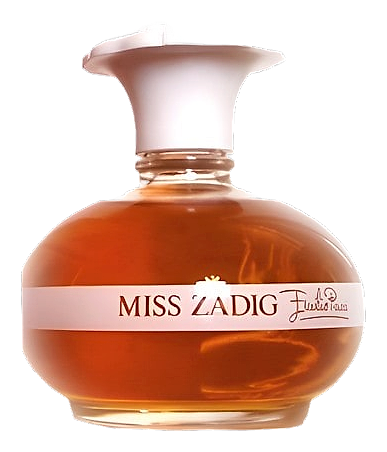
    Miss Zadig by Emilio Pucci
    4.0

    Miss Zadig

    1 of 2

    The Heritage

    The Story of Emilio Pucci

    Emilio Pucci is an Italian fashion house that extends its celebrated legacy of vibrant prints into a line of fragrances. Since its founding in 1947, the brand has translated the kinetic energy of its runway collections into scent compositions that echo the same sense of colour, movement and Mediterranean light. The perfume portfolio, anchored by the iconic Vivara launched in 1965, offers a concise yet expressive range that reflects the house’s dedication to harmony between scent and style. Each bottle carries the unmistakable Pucci logo, linking the olfactory experience to the visual language that has defined the brand for more than seven decades.

    Heritage

    The story begins in Florence, where Emilio Pucci (1914‑1992) was born into one of the city’s oldest families. After a brief stint as a semi‑professional athlete, Pucci turned to fashion in the late 1940s, opening his first atelier in 1947. His early collections were distinguished by bold, kaleidoscopic prints that captured the optimism of post‑war Italy. By the 1950s, Pucci had become a staple on the international runway, dressing celebrities and royalty alike. The brand’s first foray into fragrance arrived in 1965 with Vivara, a scent inspired by the crescent‑shaped island off the Gulf of Naples. Vivara’s success encouraged the launch of a series of perfumes throughout the 1970s, including Signor Vivara (1970), Zadig (1971) and Miss Zadig Eau Fraîche (1977). The 1980s saw the introduction of a fragrance simply titled Pucci, further cementing the house’s presence in the perfume market. After a period of quiet, the early 2000s brought a revival: Vivara was re‑released in 2007, followed by limited editions such as Vivara Silver (2008) and Vivara Black (2009). Throughout its evolution, the brand has remained rooted in its Florentine origins while expanding globally, maintaining a reputation for marrying vivid visual design with scent.

    Craftsmanship

    The production of Pucci fragrances is carried out in partnership with seasoned Italian perfume manufacturers, ensuring that each formula benefits from decades of technical expertise. Natural ingredients such as Sicilian citrus, Tuscan lavender and Calabrian bergamot are sourced from regional growers who follow sustainable farming practices. Synthetic accords are introduced only when they enhance stability or extend the scent’s longevity, a decision made after rigorous laboratory testing. Quality control involves multiple stages: raw material verification, batch‑level olfactory assessment by trained perfumers, and final sensory evaluation before bottling. The bottles themselves are crafted from high‑grade glass, with a focus on clarity and durability, and are sealed with metal caps that bear the Pucci monogram. Throughout the process, the brand adheres to EU cosmetic regulations and often exceeds them, conducting independent audits to confirm compliance with safety and environmental standards. This meticulous attention to detail mirrors the precision seen in Pucci’s fashion tailoring, reinforcing the house’s reputation for refined, reliable products.

    Design Language

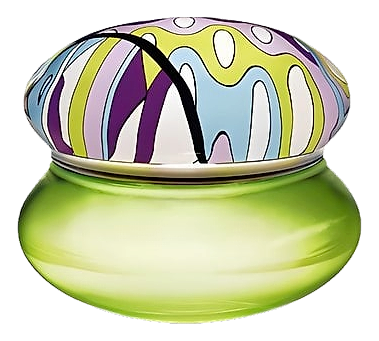
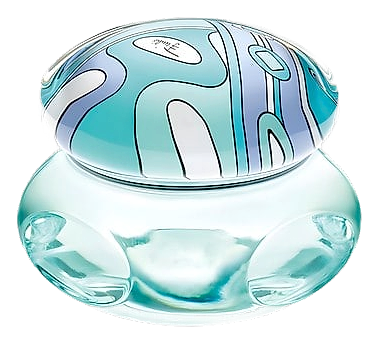
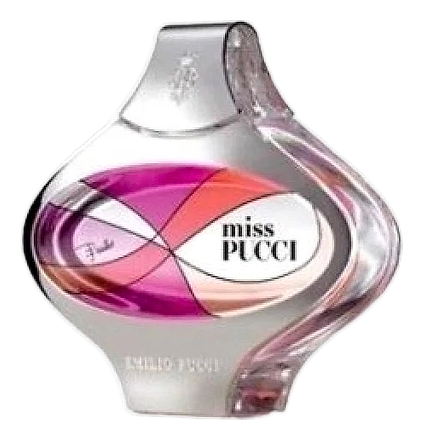
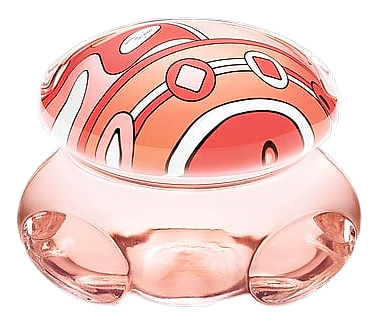
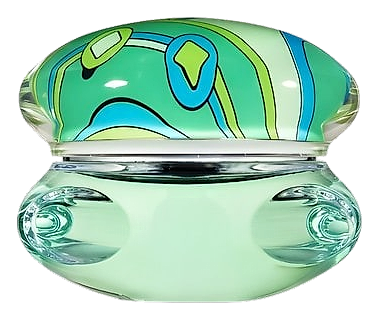
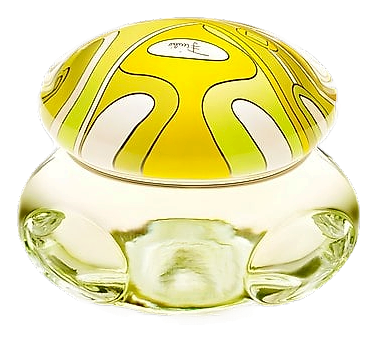
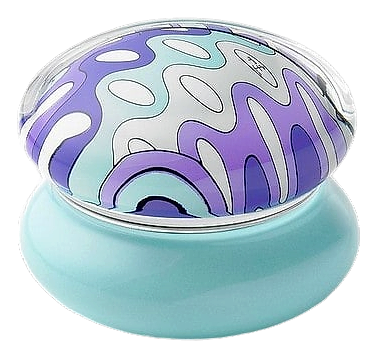
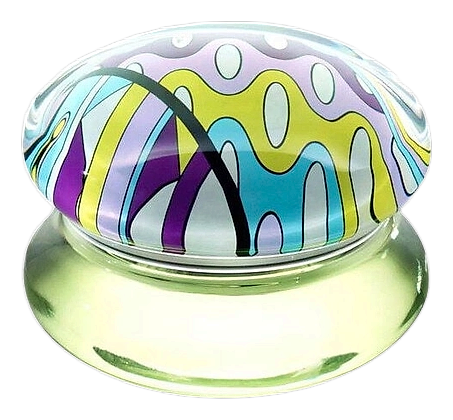
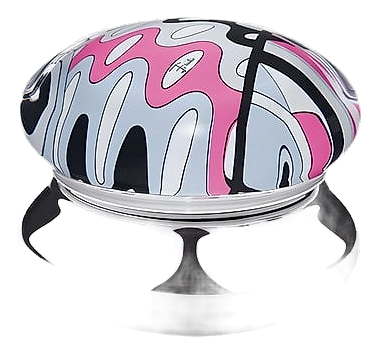
    Visually, Pucci’s fragrance line mirrors the brand’s iconic print aesthetic. Bottles are typically clear or lightly tinted, allowing the liquid’s hue to echo the colour palettes found in the fashion collections. The Pucci logo, a stylised double‑C, appears prominently on the front, often embossed or printed in a contrasting shade. Caps are usually metallic, sometimes finished in gold or silver to denote limited‑edition releases such as Vivara Silver. The overall design language is clean and minimal, letting the scent’s story unfold without visual clutter. Packaging boxes frequently feature abstract geometric patterns that reference the house’s historic textile motifs, creating a cohesive visual narrative from runway to vanity. This alignment of scent, shape and graphic design reinforces Pucci’s identity as a brand where fashion and fragrance coexist in a seamless, recognizable style.

    Philosophy

    Pucci’s creative vision rests on the principle of harmony between colour, pattern and aroma. The house treats fragrance as an extension of its textile work, seeking to evoke the same sense of motion that a swirling print can generate on a runway. Values such as craftsmanship, authenticity and a respect for Mediterranean heritage guide the development of each scent. Rather than chasing fleeting trends, Pucci’s perfumers aim to capture timeless moods—sun‑kissed evenings on the Tuscan coast, the crisp air of Alpine ski slopes, the vibrant bustle of a Florentine market. The brand’s approach to perfumery is collaborative, often partnering with established Italian fragrance houses to blend traditional ingredients with modern techniques. This balance of heritage and innovation reflects Pucci’s broader commitment to creating products that feel both familiar and freshly inspiring.

    Key Milestones

    1947

    Emilio Pucci establishes his fashion house in Florence, introducing bold, colourful prints.

    1965

    Launch of the first Pucci fragrance, Vivara, inspired by the island of Vivara in the Gulf of Naples.

    1970

    Introduction of Signor Vivara, expanding the brand’s olfactory portfolio.

    1971

    Release of Zadig, a fragrance that reflects the brand’s playful spirit.

    1981

    Pucci fragrance debuts, marking a continued commitment to scent development.

    2007

    Re‑release of Vivara, modernising the classic formula for a new generation.

    At a Glance

    Brand profile snapshot

    Origin

    Italy

    Founded

    1947

    Heritage

    79

    Years active

    Collection

    2

    Fragrances released

    Avg Rating

    4.1

    Community sentiment

    Release Rhythm

    2011
    2
    2010
    2
    2009
    4
    2008
    1
    2007
    1
    1981
    1
    1977
    1
    1973
    1
    pucci.com

    Did You Know?

    Interesting Facts

    Distinctive details and defining moments that shape the house personality.

    01

    The Vivara fragrance was directly inspired by a real island, Vivara, located near the Amalfi Coast.

    02

    Emilio Pucci was an avid skier; his early career on Swiss slopes influenced the dynamic movement seen in his prints.

    03

    Pucci’s signature print was first introduced on a dress worn by actress Brigitte Bardot in the 1950s, cementing the brand’s pop‑culture relevance.

    04

    The 2007 re‑release of Vivara used the same original formula but incorporated updated sustainability standards in its packaging.

    The Artisans

    The Perfumers