

The Story
Why it exists.
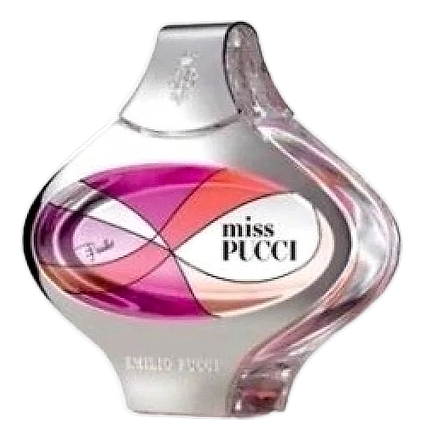
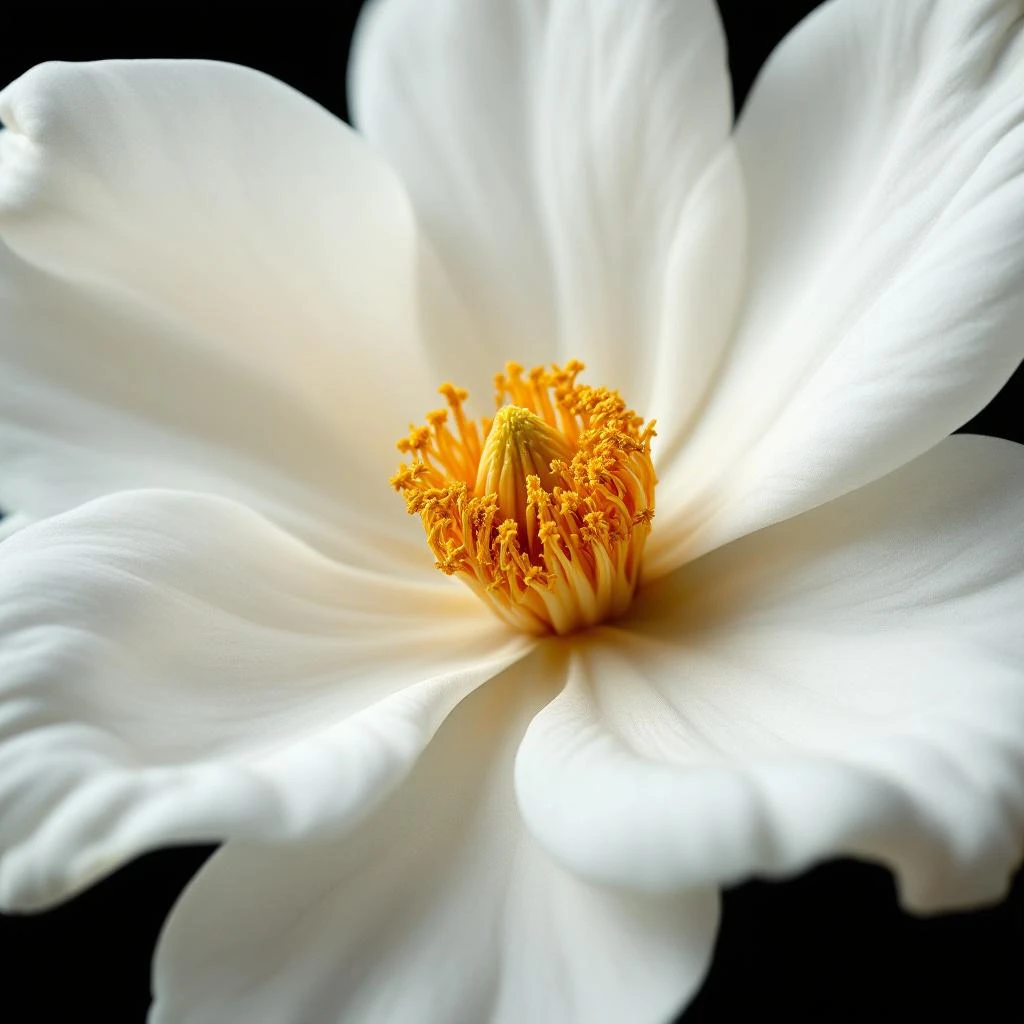
Miss Pucci arrived in 2010 as an EDP from a three-perfumer collaboration: François Demachy, Christine Nagel, and Benoist Lapouza. The brief was magnolia, the house called it one of their most beloved notes, along with rose and musk. Whether that list came from marketing materials or the perfumers' own formulation notes, the composition leans unmistakably into that floral territory. Citruses and Sicilian lemon open, then the white florals take over. The name carries its weight: Miss Pucci is the house's primary women's fragrance, the one most directly connected to the brand's identity rather than a single concept or place. Three perfumers means three perspectives shaping the structure, the citrus-fresh approach from one, the clean intimacy from another, and whatever the third brought to balance the rest. The result is a fragrance built around magnolia's full expression, not a diluted version of it.
If this were a song
Community picks
Mambo No. 5
Le Papa
The Beginning
Miss Pucci arrived in 2010 as an EDP from a three-perfumer collaboration: François Demachy, Christine Nagel, and Benoist Lapouza. The brief was magnolia, the house called it one of their most beloved notes, along with rose and musk. Whether that list came from marketing materials or the perfumers' own formulation notes, the composition leans unmistakably into that floral territory. Citruses and Sicilian lemon open, then the white florals take over. The name carries its weight: Miss Pucci is the house's primary women's fragrance, the one most directly connected to the brand's identity rather than a single concept or place. Three perfumers means three perspectives shaping the structure, the citrus-fresh approach from one, the clean intimacy from another, and whatever the third brought to balance the rest. The result is a fragrance built around magnolia's full expression, not a diluted version of it.
What makes Miss Pucci's structure interesting is the tension between traditional powdery florals and fresher Mediterranean elements. The heart combines jasmine sambac with Turkish rose and African orange flower, three white florals that could easily overwhelm each other. Here, they read as layered rather than heavy. The jasmine brings warmth, the rose adds complexity, and the orange flower provides a bitter-floral cleanliness that keeps the combination from becoming monotonous. The ylang-ylang, Comorian, sourced from a specific origin, contributes a waxy, slightly tropical creaminess that some might clock as banana-like in the best possible way.
The Evolution
Miss Pucci opens with its cards on the table. The citrus and magnolia announce themselves immediately, the lemon sharp and the magnolia waxy-sweet. This is a fragrance with strong sillage from the start. The citrus fades within the first hour, leaving the magnolia dominant through the heart. White florals, orange blossom, jasmine, ylang-ylang, weave through without overwhelming the magnolia core. The drydown arrives around hours four to six: cedar and iris take over, with the florals receding to a whisper. The powdery quality lingers close to the skin. On fabric, the base notes persist longer than on skin, white musk and cedar detectable the next day, sometimes re-emerging after a night's rest. The longevity is notable: many wearers report detecting Miss Pucci on clothing a full day after application.
Cultural Impact
Miss Pucci found its audience among those seeking a classically feminine white floral with strong presence. Released in 2010 alongside the broader Emilio Pucci fragrance line, which includes the original Vivara from 1965 and flankers like Acqua 330 and Verde 072, Miss Pucci occupies a specific niche: powdery florals for someone who wants a fragrance that announces without aggression. The sillage is notable, strong enough to draw attention, refined enough to wear in professional settings. Comparisons to Balenciaga's Florabotanica (also 2010) and other contemporary white florals are common, though Miss Pucci leans more traditional in its powdery character.
The House
Italy · Est. 1947
Emilio Pucci is an Italian fashion house that extends its celebrated legacy of vibrant prints into a line of fragrances. Since its founding in 1947, the brand has translated the kinetic energy of its runway collections into scent compositions that echo the same sense of colour, movement and Mediterranean light. The perfume portfolio, anchored by the iconic Vivara launched in 1965, offers a concise yet expressive range that reflects the house’s dedication to harmony between scent and style. Each bottle carries the unmistakable Pucci logo, linking the olfactory experience to the visual language that has defined the brand for more than seven decades.
If this were a song
Community picks
Mediterranean summer captured in sound, bright pop hooks, orchestral warmth, and the hazy dreaminess of waxy magnolia petals drying in afternoon light. Think Amalfi coastline in the 1960s, sun-bleached and confident. The playlist moves from bold Italian disco through dreamy Euro-pop into something slower and more contemplative, the sonic equivalent of the cedar-iris drydown that lingers after sunset.
Mambo No. 5
Le Papa