    Ingredient Profile

    Comorian Ylang-Ylang fragrance note

    Comorian Ylang‑Ylang delivers a lush, honeyed bloom that anchors tropical perfumes with depth and richness, echoing the island’s sun‑kissed…More

    Comoros

    2

    Fragrances

    Fragrances featuring Comorian Ylang-Ylang

    Character

    The Story of Comorian Ylang-Ylang

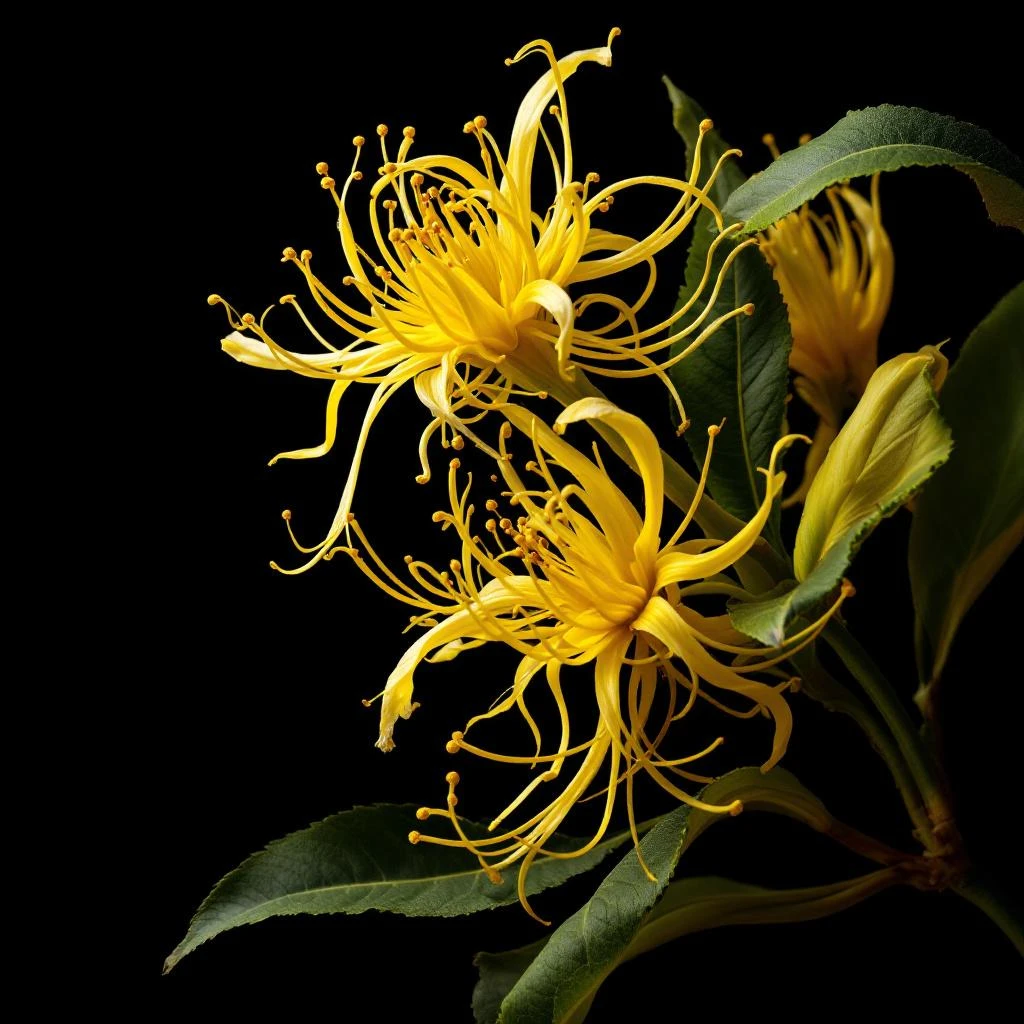
    Comorian Ylang‑Ylang delivers a lush, honeyed bloom that anchors tropical perfumes with depth and richness, echoing the island’s sun‑kissed gardens.

    Heritage

    Cananga odorata originated in the Philippines and the Moluccas archipelago, where royal courts prized its perfume. French botanists introduced the tree to the Indian Ocean islands in the mid‑1800s, and Comoros quickly became a major cultivation hub. By the early 1900s, colonial traders exported Comorian oil to Europe, where it powered the rise of classic floral perfumes. The island’s reputation grew as perfumers noted the oil’s richer, sweeter profile compared with Indonesian harvests. Over the past century, Comorian ylang‑ylang has remained a staple in both haute couture fragrances and traditional island rituals, linking modern scent creation to centuries of botanical exchange.

    At a Glance

    Fragrances

    2

    Feature this note

    Origin

    Comoros

    Primary source region

    Ingredient Details

    Extraction

    Steam distillation

    Used Parts

    Flower petals

    Did You Know

    "Comoros supplies roughly 30 % of the world’s ylang‑ylang oil, and its harvest season peaks during the island’s short rainy months, when the flowers release their most intense aroma."

    Pyramid Presence

    Top
    1
    Heart
    1

    Production

    How Comorian Ylang-Ylang Is Made

    Farmers plant Cananga odorata trees on volcanic soils that drain well and retain heat. They prune the canopy to expose each flower to sunlight, then hand‑pick buds at full bloom. Workers bundle the petals in shade‑drying rooms for 24 hours to reduce moisture without losing volatile compounds. After drying, distillers load the petals into copper stills and apply steam at 100 °C for 3 hours. The vapor condenses into a clear oil that separates into four grades; the premium "Extra" grade contains the richest floral notes. Each batch is filtered, tested for purity, and sealed in amber glass to protect the scent from light. The process repeats twice a year, aligning with the island’s two peak flowering periods.

    Provenance

    Comoros

    Comoros11.5°S, 43.3°E

    About Comorian Ylang-Ylang