The Story
Why it exists.
The beginning
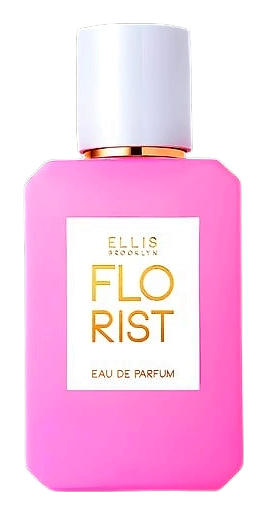
Bee Shapiro created Florist for herself, and for everyone who's never been the floral perfume person. As someone who fills her home with fresh flowers but has never wanted to wear them, she approached tuberose not as an assignment but as a problem to solve: how do you capture the joy of a bouquet without becoming it? She worked with Frank Voelkl, who had collaborated on previous Ellis Brooklyn releases, to find a version of white floral that felt modern rather than nostalgic, one that sparkles instead of overpowers. The goal was never to recreate a garden. It was to bottle the feeling of walking into a room that has flowers in it.
What makes Florist work is restraint in the wrong places and generosity in the right ones. The top citrus, Italian bergamot and Amalfi lemon, gives it an opening that reads like light through glass rather than perfume opening. The lily of the valley keeps the green from becoming sharp. And the jasmine sambac in the heart adds a warmth that reads as creamy, not animal. On the base, ambroxan and Australian sandalwood anchor the florals without pulling them into heaviness. It's a composition that trusts the wearer to find the flowers on their own.
The evolution
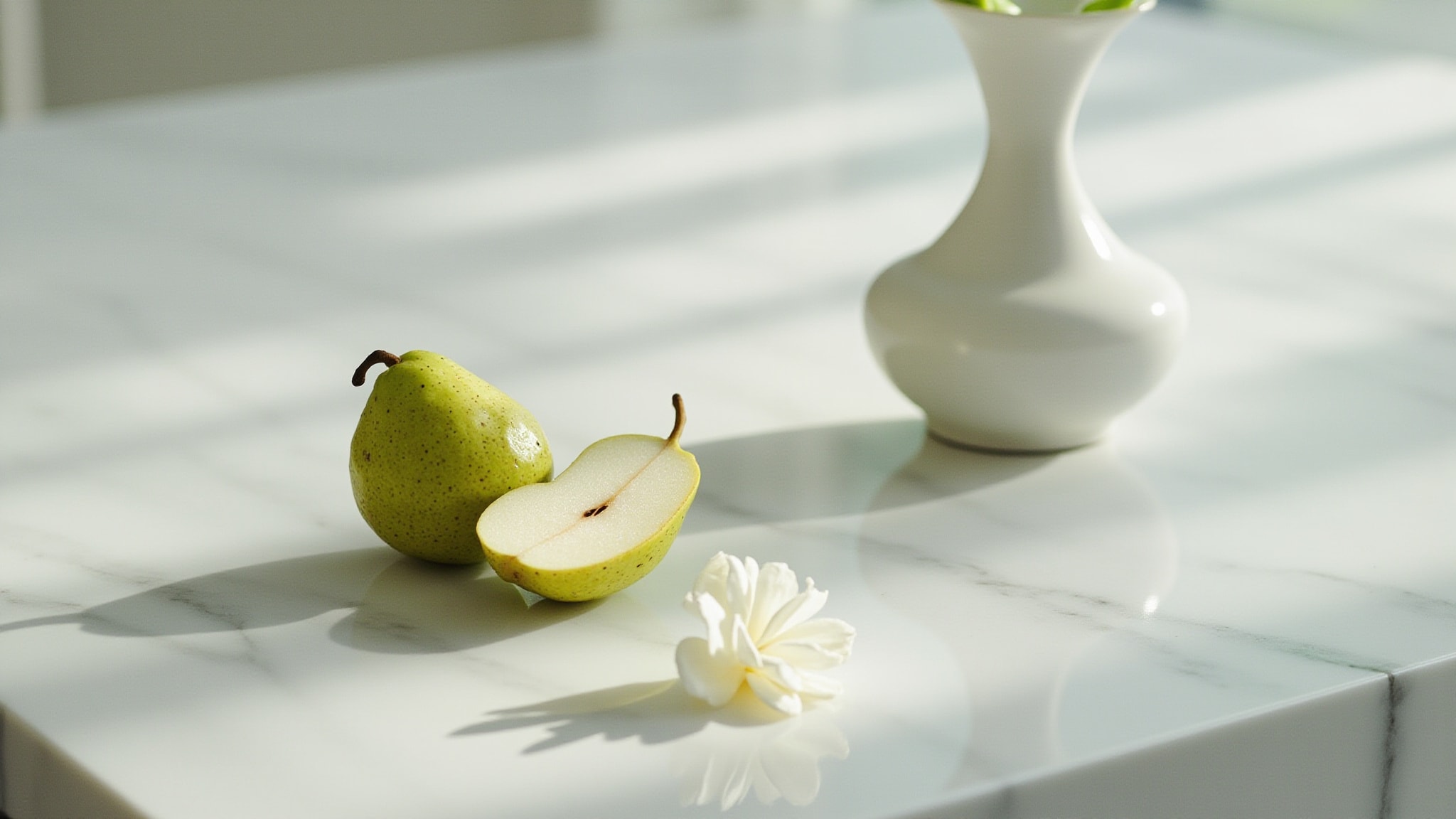
Florist opens clean and slightly sweet, with bergamot and pear arriving together in a way that feels like a cool room on a warm day. Within 20 minutes the citrus recedes and the white florals take over, gardenia and tuberose arrive not as a wave but as a slow build, like the room getting warmer. The honeysuckle adds a honeyed softness that keeps the florals from going sharp. By the second hour, the composition settles into its base. The ambroxan adds a mineral depth that lifts the florals without killing them, and the Australian sandalwood keeps everything grounded in something clean and woody. What remains on skin after six hours is a soft skin-floral, not a ghost, but not a statement. The kind of smell someone notices when they're close.
Cultural impact
Florist found its audience in the space between classical floral and modern freshness, a gap that many fragrances claim to fill but few actually do. What makes it work is the way it balances delicate petals with crisp, clean undertones that feel natural rather than constructed. Wearers describe discovering something new each time they spray it, a subtle shift in the florals as the hours pass that keeps the scent feeling alive. It's become the fragrance people reach for when they want something approachable that still has depth, the kind of scent that works in a meeting and doesn't disappear by dinner.