Yellow Gardenia
The impossible flower of perfumery—gardenia cannot be extracted, yet its creamy, green, intoxicating scent haunts fragrances to this day. Yellow Gardenia captures this botanical ghost in synthetic form.
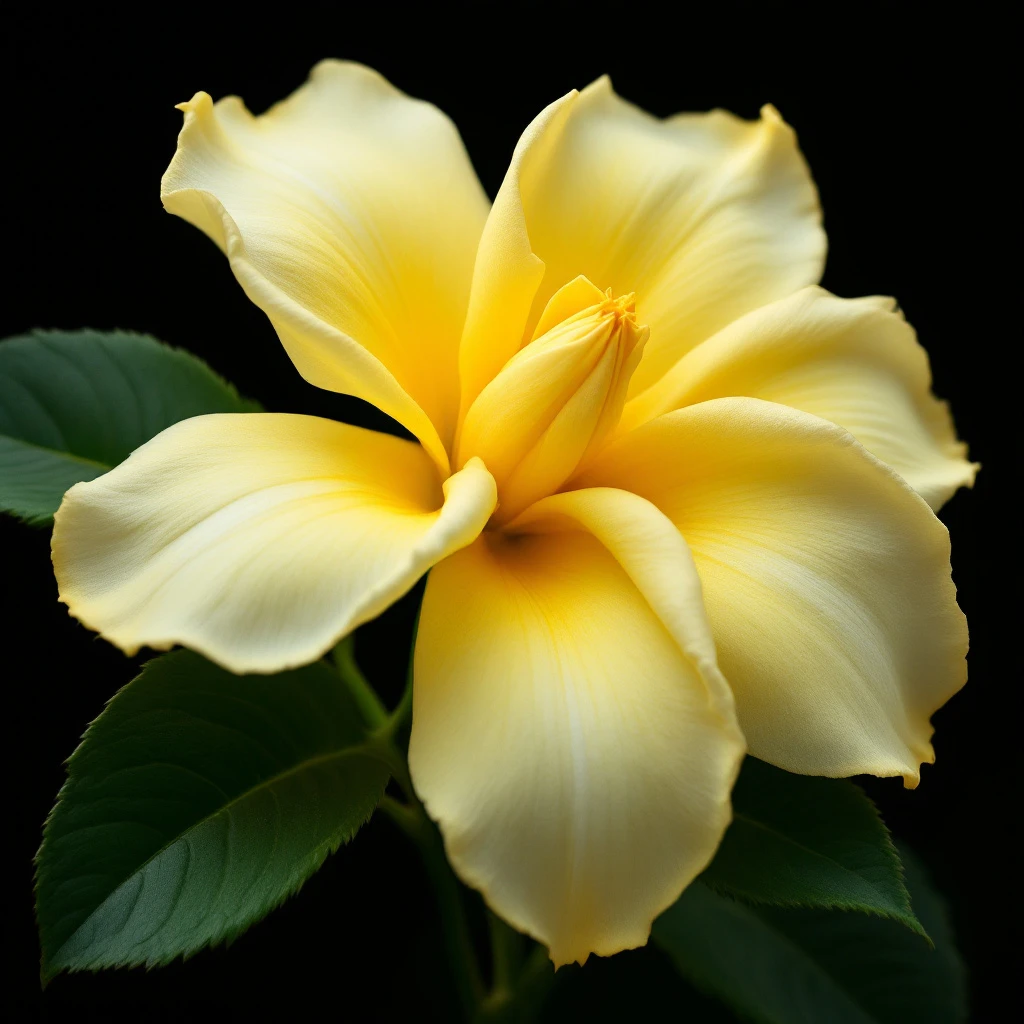
Character
How it smells
The flower perfumery could never truly hold.
In 19th century Shanghai, courtesans used gardenia flowers to dye their underwear a vibrant, unforgettable yellow.







Origin
China
Gardenia's story begins in ancient China, where the flower served purposes far beyond beauty. Chinese practitioners used gardenia to make tea, incense, and early perfumes, establishing a 2,000-year relationship between this blossom and fragrance.
In perfumery, however, gardenia arrived late. While jasmin, rose, and violet dominated European fragrance since the 18th century, gardenia only entered the perfumer's palette in the early 20th century. Its first oil formulations appeared in early-century fragrances, but the flower remained a challenging material.
Victorian flower language assigned gardenia a meaning of refinement and secret love—a meanings it carries still. This association with hidden passion suited the flower perfectly. Gardenia's intoxicating scent, released most powerfully at night, seemed designed for secrets.
The Yellow Gardenia reference points to another surprising chapter: 19th-century courtesans in Shanghai used gardenia flowers to dye undergarments a striking yellow. This practical application reminds us that flowers have always served human desires in ways beyond their commercial or fragrant value.
Wears it best
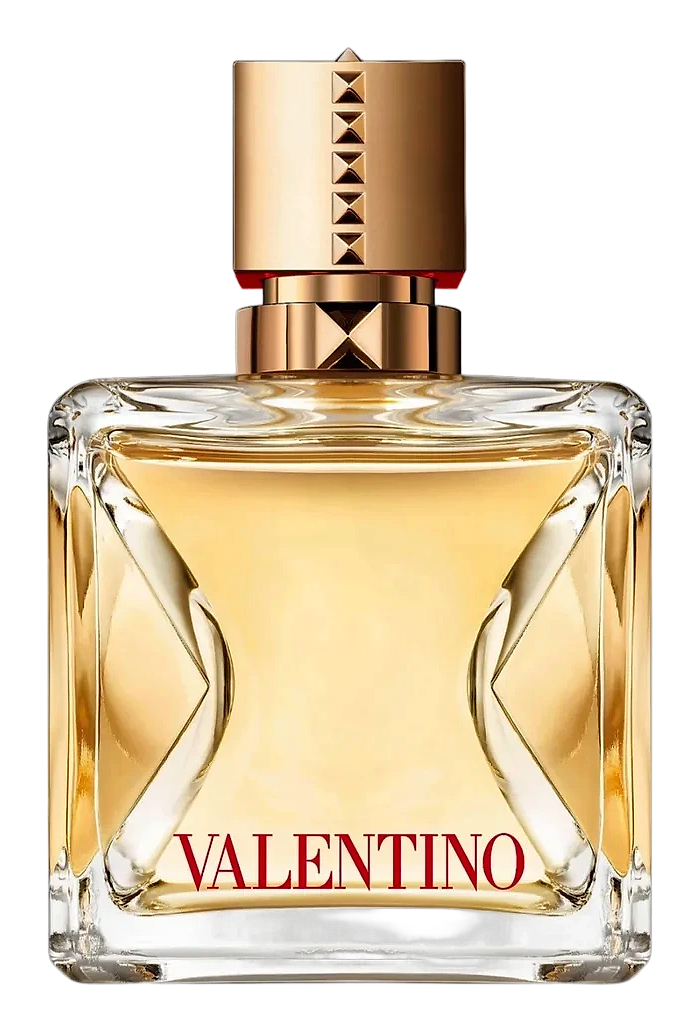
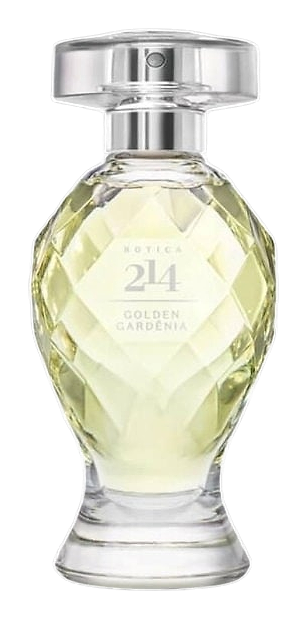
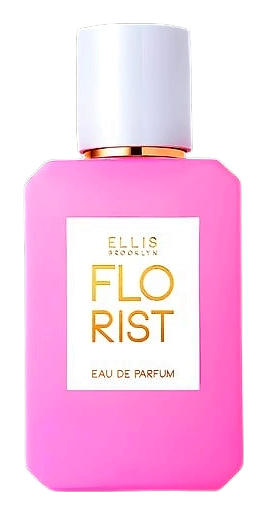
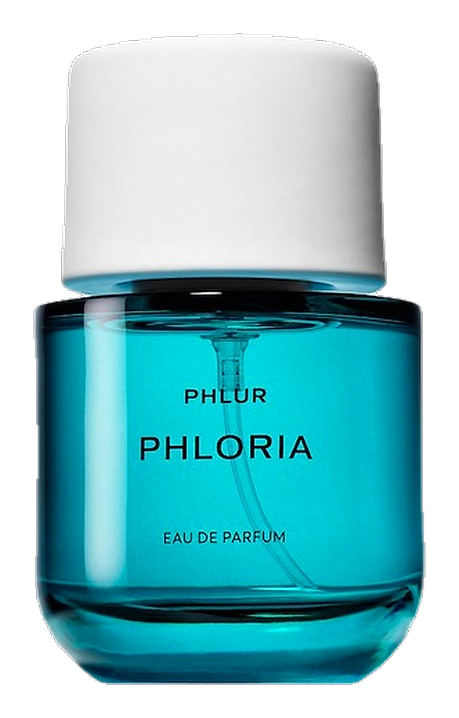
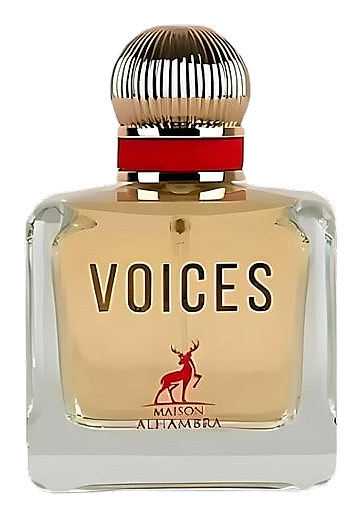
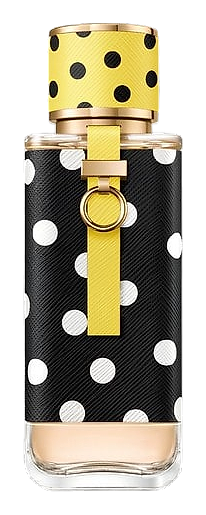
Fragrances featuring Yellow Gardenia
Brands
Brands known for Yellow Gardenia
Good to know
Questions, answered
The essentials on Yellow Gardenia in perfumery: how it smells, where it comes from, and how it behaves on skin.
Is Yellow Gardenia made from real gardenia flowers?
No. Gardenia scent cannot be extracted commercially. The note is recreated synthetically using styrallyl acetate, a molecule that replicates gardenia's creamy, lactonic character.
Why can't gardenia oil be extracted from the flowers?
Steam distillation destroys gardenia's key odorants, while solvent extraction yields unsuitable products. No commercial essential oil or absolute exists for this flower.
What does Yellow Gardenia smell like?
It opens with creamy, lactonic sweetness reminiscent of coconut. Green, slightly citrus mid-notes follow, with a rich floral heart that evokes the flower's intoxicating night-blooming character.
When did gardenia first appear in perfumery?
Gardenia oil appeared in fragrances during the early 20th century, long after jasmin, rose, and violet had already established themselves as floral perfumery staples.
What does gardenia symbolize in the language of flowers?
Victorian flower language assigned gardenia meanings of refinement, secret love, and pure joy. This association with hidden passion matches the flower's intoxicating night-release scent.
How is gardenia historically significant beyond perfumery?
Ancient China used gardenia for tea, incense, and perfumes for over 2,000 years. In 19th century Shanghai, courtesans used the flowers to dye undergarments vibrant yellow.
What makes gardenia so difficult to capture in fragrance?
Gardenia's delicate aromatic compounds break down under heat-based extraction methods. The flower's scent peaks at night, and its volatile molecules prove incompatible with standard industry extraction techniques.
Is synthetic gardenia used in all fragrances labeled as gardenia?
Yes. Every fragrance claiming a gardenia note relies on synthetic reconstruction. Without synthetic molecules like styrallyl acetate, true gardenia scent would remain absent from modern perfumery.