
The Story
Why it exists.
The beginning
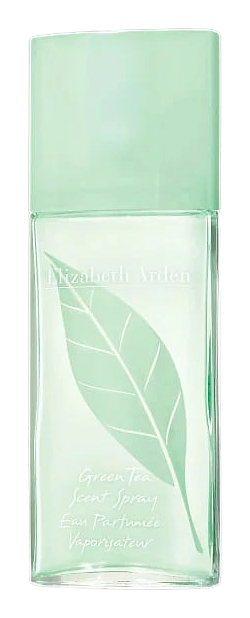
Green Tea built itself around a single idea: what does freshness actually smell like when you strip away the noise? The composition reads like cold water and morning air, a citrus-aromatic that wears close to the skin, with a green tea heart that earned the fragrance its name. The opening is sharp and zesty, bergamot and lemon lifting off the skin with almost carbonated brightness, the kind of citrus that makes you blink. Then the tea arrives, steamy and vegetal, carrying a celery-seed greenness that keeps the opening from becoming sweet. No smoke, no oud, no projection arms race. Just a clean, spa-like scent meant to sit quiet and close, the kind of green you reach for when you want to feel reset rather than noticed. The restraint is the point.
The composition earns its freshness through restraint. Lemon and bergamot open with a sharp, brief snap, zesty and bright, then Green Tea and celery seed take over, a vegetal coolness that reads almost like cucumber water left in the sun. Jasmine stays soft and white-floral, adding a clean softness without tipping into perfume territory. The base of amber, musk, and oakmoss is minimal, just enough warmth to keep the scent from smelling like a cleaning product. This is what makes it last beyond the first hour: the oakmoss and musk ground the green tea instead of letting it evaporate.
The evolution
The first fifteen minutes are the loudest this fragrance gets. Bergamot and lemon hit bright and zesty, almost carbonated, the kind of citrus that makes you blink. Then the green tea rolls in, and it doesn't fade so much as steep, like a bag left in warm water too long. The celery seed adds a green, slightly bitter edge that keeps the tea from becoming dessert. As the opening settles, jasmine surfaces, quiet and soapy, before the musk and oakmoss settle everything down. The drydown is intimate: a clean, slightly warm skin scent that pulls close to the body, the citrus long gone, the tea cooled to something quieter underneath. The fragrance doesn't project much by the end. It doesn't try to. On skin, it becomes a faint trace of green and musk, the kind of scent you catch only when you lift your wrist or lean into a scarf.
Cultural impact
Green Tea has become something of a benchmark for clean, green scents in the mass-market space. It proved that fresh doesn't have to mean flat, and that a quiet, close-to-skin composition can still feel satisfying to wear. The fragrance sits at a price point that made it accessible to a wide audience, and its restraint has earned it a place in the rotation of many wearers who prefer clean over loud. Its cultural footprint is visible in the wider tea-and-citrus trend that followed, where other brands began exploring similar green, herbal profiles for everyday wear.