The Story
Why it exists.
The beginning
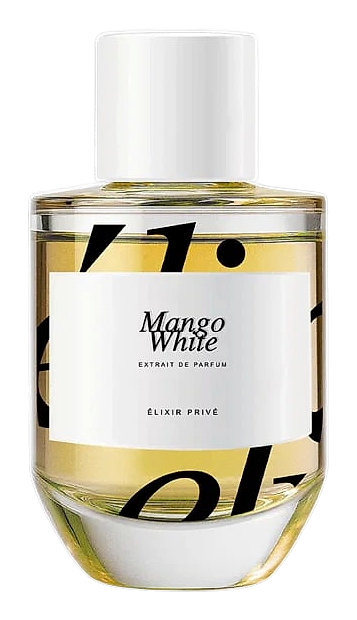
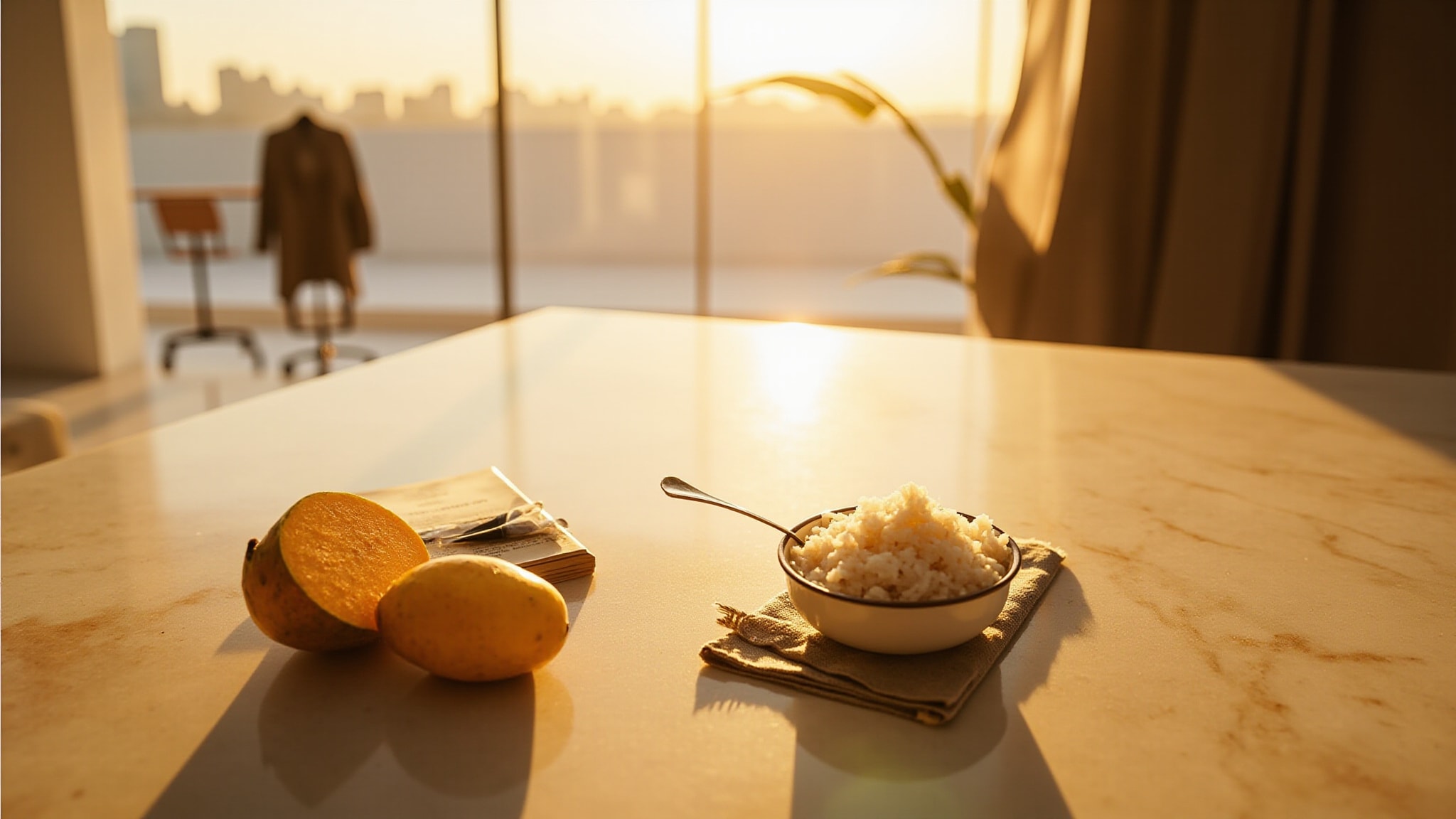
Mango White arrived in 2025 from the Parisian house Élixir Privé, an atelier that approaches composition with quiet intention. The fragrance turns on a single, specific note: basmati rice. Not jasmine rice, not generic grain, basmati, slowly absorbing water until it turns plush and fragrant. That grain sits at the center of everything else, a savory anchor in what could have been pure fruit. Perfumer Pierre Boersch composed around that kitchen image, letting the tropical and the domestic meet head-on. Mango, orange, pineapple bring the lushness. The basmati brings its own register: starchy, slightly nutty, warm. The house framed the result as a perfume extract, meant to sit close to skin rather than broadcast across a room.
What makes Mango White structurally interesting is the rice note in the heart alongside traditional florals like jasmine and orange blossom. Basmati in a fragrance context is unusual. It carries a starchy, almost nutty warmth when cooked, and that quality does something unexpected here: it mutes the fruit's sharper edges. Instead of pineapple sweetness and mango pulp screaming for attention, you get something that smells cooked through, softened, less insistent. The coconut in the base reinforces the same register, toasted rather than raw, dry rather than slick.
The evolution
The first ten minutes are loud and unmistakable. Blood orange, regular orange, pineapple, and mango hit at once, a fruit salad that announces itself before you've left the house. There's no apology in that opening. It's bold, juicy, and slightly fizzy from the blood orange's particular tang. Around the thirty-minute mark, the picture changes. The basmati rice takes over the middle register, pulling the fruit down from high-pitched to something mellower. Jasmine and orange blossom arrive quietly alongside it, white florals that smell like they've been steamed rather than sprayed. This is where the fragrance stops being a straightforward tropical and starts being something stranger. The rice note gives it an almost porridge-like warmth, grounded and milky. By hour two, the drydown has fully settled.
Cultural impact
Mango White sits in an interesting space between edible and wearable. The rice-and-fruit pairing creates something that feels more like a kitchen than a beach, more memory than confection. It's tropical in its raw materials but domestic in its mood, the kind of composition that holds its character in cooler weather rather than fading when summer ends. That crossover appeal, the ability to read as both fruity and grounded, gives Mango White a broader range than typical tropical fragrances. It's a scent that doesn't need heat to make sense, which opens it up to seasons and settings beyond the obvious.
The House
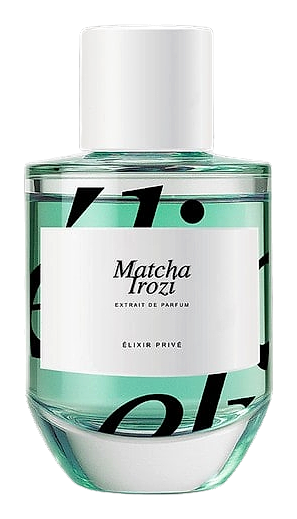
Élixir PrivéÉlixir Privé is a Parisian fragrance house that opened in 2020, built on the conviction that perfume should feel personal rather than mass produced. Founded by Ankita, whose formative years spanned Chandigarh and Shanghai before settling into the Parisian atelier, the house occupies an intimate space in contemporary perfumery. Rather than chasing commercial trends, Élixir Privé approaches each composition as an act of storytelling, with founder Ankita shaping the creative direction and collaborating directly with perfumers to bring each scent into being. The house is best known for offerings like the 2025 releases Matcha Irozi and Tunis Neróli, alongside earlier works such as Chatiment (2020) and the oud-forward Babel Oud (2022). Its catalog is kept deliberately small, allowing each fragrance to exist as a distinct olfactory chapter rather than part of a sprawling lineup.
The Creator
Pierre BoerschIn the studio Pierre favors natural absolutes and carefully selected synthetics that mimic botanical nuance. He often starts with a single fruit or spice, then layers it with a mineral accord that recalls stone‑washed vineyards.