The Story
Why it exists.
The beginning
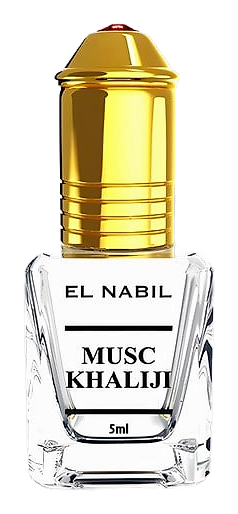
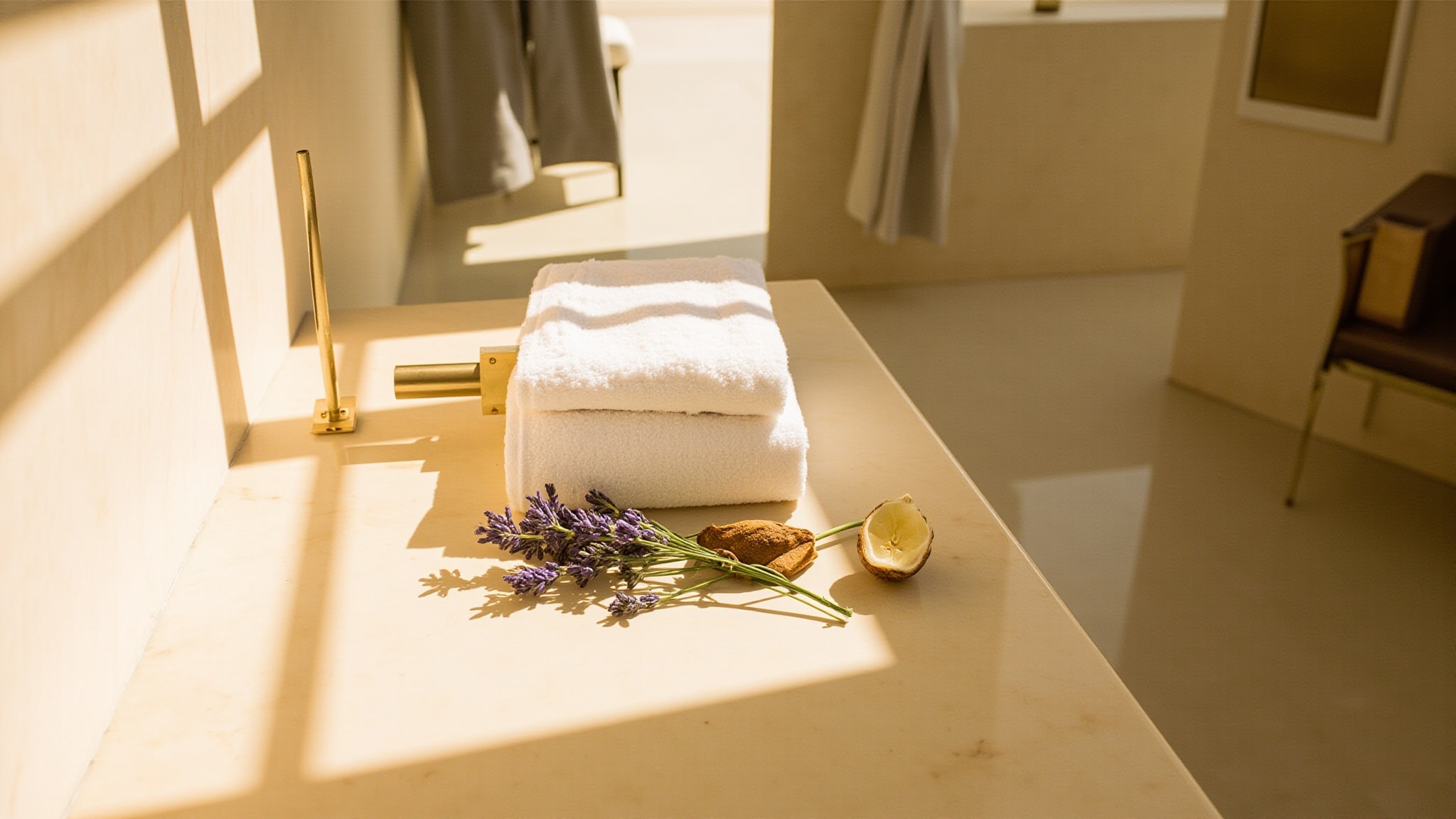
Khaliji is the name, and that's the whole pitch. Musk Khaliji translates the Arabian Peninsula's most familiar olfactory language, the bright aromatic opening, the white floral heart, the warm musky drydown, into something that doesn't demand a specific climate or ceremony to wear. The kind you reach for when you want tradition without ceremony. It sits firmly in the brand's musk-forward catalogue alongside Musk Imran and Amber of Yemen, sharing that same French-meets-Gulf sensibility the house has leaned into since 2011. The composition leans on a citrus-lavender opening that feels almost Mediterranean in its clarity, bright and herbal without tipping into cologne territory.
What makes this composition work is the structural balance. The citrus-lavender top isn't just freshening, it's setting up a herbal bridge to the rose and jasmine heart, which would otherwise feel too floral for a men's oriental. Cypress steps in as the unexpected middle player, adding a dry green resinous edge that keeps the florals from going sweet. Then the base does the real anchoring: amber and musk doing what they do in Middle Eastern perfumery, pulling everything into a warm, skin-close finish.
The evolution
The first ten minutes are the brightest this scent gets. The citrus fruits lift the lavender up, giving it that just-showered sharpness that makes people lean in rather than back away. There's a soapy quality at the top, almost like clean laundry caught in warm wind. By the half-hour mark, the lavender softens and the rose arrives, not as a full romantic floral but as a dried-petal dustiness mixed with jasmine's white sweetness. Cypress adds a green, almost pine-like snap that keeps the heart from going powdery. The transition into the base happens quietly around the two-hour mark. The woods arrive first, not sharp but rounded, with a creamy dryness that blends into something almost woody-smooth without naming a specific material.
Cultural impact
Musk Khaliji sits within a wave of Gulf-marketed fragrances that have moved from local bazaars to international shipping in the last decade, riding the broader visibility of Arabian perfumery since El Nabil's founding in 2011. The word khaliji itself signals the Arabian Peninsula, anchoring the scent in a regional identity built around musk, amber, and clean aromatics rather than the heavy oud-and-rose profile of older Gulf traditions.