
The Story
Why it exists.
The beginning
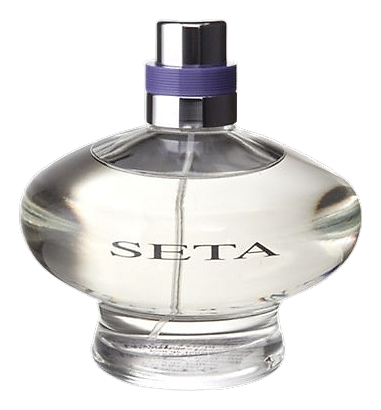
Seta arrived in 2001 from E. Marinella, placing the fragrance within the house’s early perfume catalogue. Its composition begins with bergamot, apricot blossom, and lily of the valley before settling into a floral heart of violet, anise, and tea rose. Heliotrope, cedar, and white musk complete the accord, giving Seta a polished structure in which fresh, fruity, floral, and musky elements work together. The result is restrained but layered, with enough detail to reward a closer look. Rather than relying on a single dominant gesture, the fragrance builds its character through the changing relationships among its notes: citrus brightness against soft fruit, cool green florals against powdery violet, and a warm, gently structured base.
What makes Seta structurally interesting is the tension between its powdery floral character and the cooler spice of anise. Violet lends the composition a soft cosmetic effect, while anise introduces a distinct aromatic edge that keeps the floral accord from becoming entirely decorative. Tea rose adds a rounded floral warmth, balancing the brighter notes of bergamot, apricot blossom, and lily of the valley. Beneath them, heliotrope contributes a sweet, diffuse softness, while cedar gives the base a composed, woody structure.
The evolution
Seta develops around a dialogue between fresh top notes, a floral heart, and a composed base. Bergamot brings brightness, while apricot blossom adds a soft fruitiness that rounds out the opening accord. Lily of the valley contributes a green floral character, creating a cleaner impression alongside the fruit and citrus. As the fragrance settles, violet becomes more prominent, giving the composition its powdery floral focus. Anise adds an aromatic contrast, while tea rose brings warmth and a fuller floral shape. The base of heliotrope, cedar, and white musk softens the arrangement and gives it a smooth finish. Violet and heliotrope create the sweetest aspect of the composition, balanced by the drier structure of cedar and the clean effect of white musk. Anise keeps the accord from settling into a purely floral register.
Cultural impact
Seta can be understood through the note-driven language of modern floral perfumery, with its combination of fruit, citrus, greenery, violet, rose, anise, heliotrope, cedar, and white musk. The composition does not depend on one spectacular gesture. Instead, it reflects an appreciation for detail and proportion, placing fresh notes beside softer floral materials and a quietly structured base. Apricot blossom and lily of the valley give the upper accord a bright, youthful character, while violet and tea rose lend the heart a more intimate floral register.