
The Story
Why it exists.
The beginning
Narziß is a fragrance from the house of Dorissima, composed by Doris Brugger. The name carries a weight of myth and meaning, and Brugger's choice to anchor a men's composition in green herbs and noble woods rather than sweetness or smoke signals exactly where the scent aims. The bottle asks for patience. The wearer earns it. This is a composition that resists immediate gratification, building slowly through layers of aromatic vegetation and dry, structural woods. There's no overt sweetness here, no gourmand warmth to soften the edges. Instead, Brugger leans into the bitter, the herbaceous, the rooted. It's a scent that respects the wearer's intelligence, offering complexity without confusion, depth without theatrics. The restraint feels deliberate, almost editorial.
What's notable here is Brugger's commitment to naturals in a composition that reads as deliberately uncommercial. She built the structure around tarragon, artemisia, and sage as the primary voices, each contributing a different shade of green. Tarragon brings that anise-edged sharpness, artemisia a bitter, almost medicinal quality, and sage a softer, camphorated warmth that holds the opening together. Calamus adds a wet, rooty edge you don't find in most men's aromatics, giving the composition an unusual earthiness that keeps it from feeling too clean.
The evolution
The opening is a wall of green, tarragon and artemisia hitting sharp and almost medicinal, the way a crushed stem smells between your fingers. Sage softens the edges as the first minutes pass, its warmer camphor notes cushioning the bite of the more aggressive herbs. As the composition settles, the vetiver and cedarwood take over, and the scent shifts from herb garden to something drier and more architectural. The vetiver here is smoky and rooty rather than clean, and the cedarwood adds a pencil-shaving dryness that feels distinctly old-school. Calamus threads a cool, damp undertone through the woods, keeping them from feeling too polished or too furniture-like. This is the phase where the fragrance reveals its structural bones. Eventually the labdanum and tonka emerge, resinous and warm, with the fig leaf persisting as a dry, papery thread all the way through to the drydown.
Cultural impact
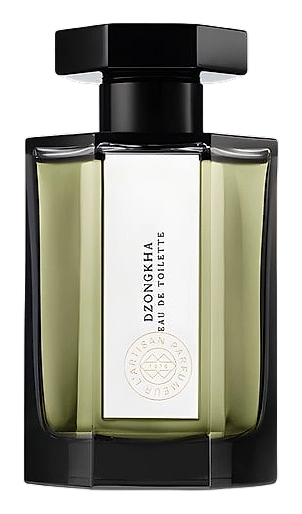
Narziß draws comparisons to Cartier Must and l'Artisan Parfumeur Dzongkha in fragrance databases, which places it in conversation with some of the more distinctive green herbal compositions of recent decades. The original community review describes it as 'not every day, but for the best suit,' and that framing resonates with how the scent wears: present and confident without being loud. This is a fragrance for people who treat scent as personal expression rather than accessory, who value the conversation between wearer and composition over mass appeal.