The Story
Why it exists.
The beginning
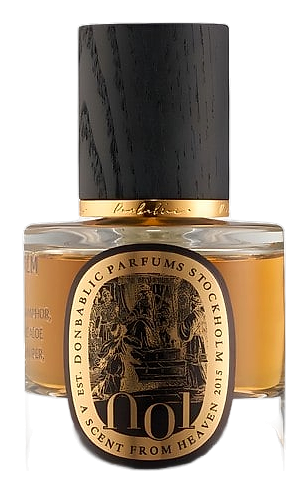
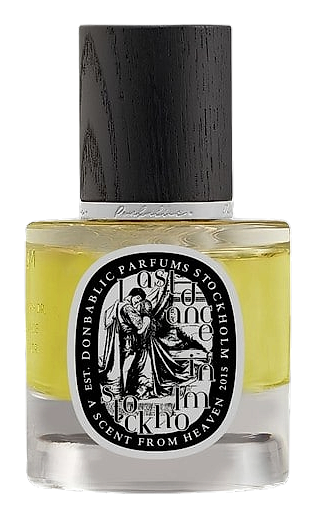
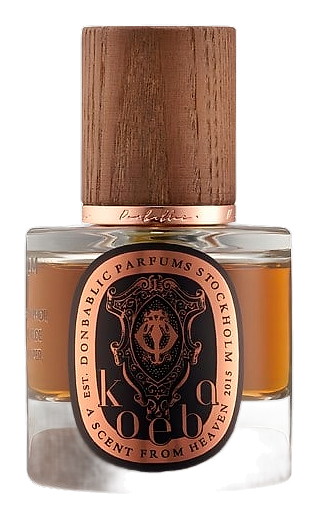
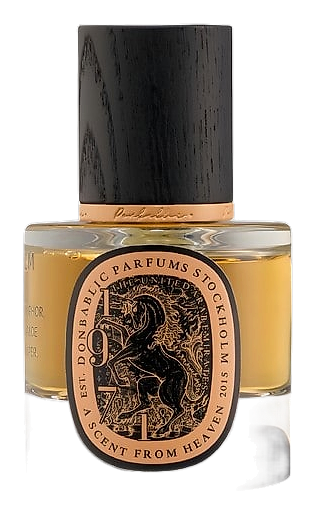
DONBABLIC names their fragrances after moments. Not places, not abstract concepts, moments. Specific ones. The kind that lodge somewhere and refuse to fade. 1971 is exactly that: a year that means something to someone, translated into a composition of Indian oud, amber, and Bulgarian rose. The brand's Stockholm origins are no accident, that particular Nordic restraint shows up in how the fragrance holds back before revealing itself. It's private emotion made wearable. Not a statement. A recollection.
The combination of Indian oud and Bulgarian rose isn't common. Oud tends to dominate, its animalic depth can swallow florals whole if a perfumer doesn't know how to protect them. Here, the rose arrives in the heart phase and holds its ground. It helps that amber is doing structural work in the middle, giving the rose something warm and slightly resinous to rest against rather than compete with. The result is a rose that reads as deliberate, not decorative, the kind that earned its place rather than showing up because florals are expected in the top three.
The evolution
The opening is all saffron, sharp, almost metallic, with a warmth that suggests heat without smoke. Bergamot arrives quickly, but it's the elemi that softens the transition. Elemi isn't as common as its citrus cousins, and here it does something important: it keeps the top phase from feeling too bright. By the time the amber and Bulgarian rose arrive (around the 15-minute mark), the composition has already established its temperature. The heart phase lasts. This is where most wearers spend time with the fragrance, warm, resinous, with the rose doing quiet work underneath. Then the base arrives. The Indian oud doesn't storm in. It sidles up next to the patchouli and musk, and by the third hour, it's the thing you'll notice on your wrist when you've forgotten you sprayed anything at all. Six to eight hours is realistic. On fabric, longer. The next morning, a trace of resinous warmth on unwashed skin, not animalic, but present. Worth returning to.
Cultural impact
1971 arrives at a moment when perfumery was reconsidering its relationship with warmth and spice. The 1970s marked a departure from the delicate florals that dominated previous decades, embracing bolder, more resinous compositions that felt both ancient and modern. Saffron, historically associated with luxury and rarity, became a bridge between Middle Eastern fragrance traditions and Western experimentation. Elemi resin brought a camphoraceous, citrusy quality that added complexity without heaviness. This era saw designers willing to take risks with materials that earlier generations would have considered too assertive for mainstream wear.