Sulawesi patchouli
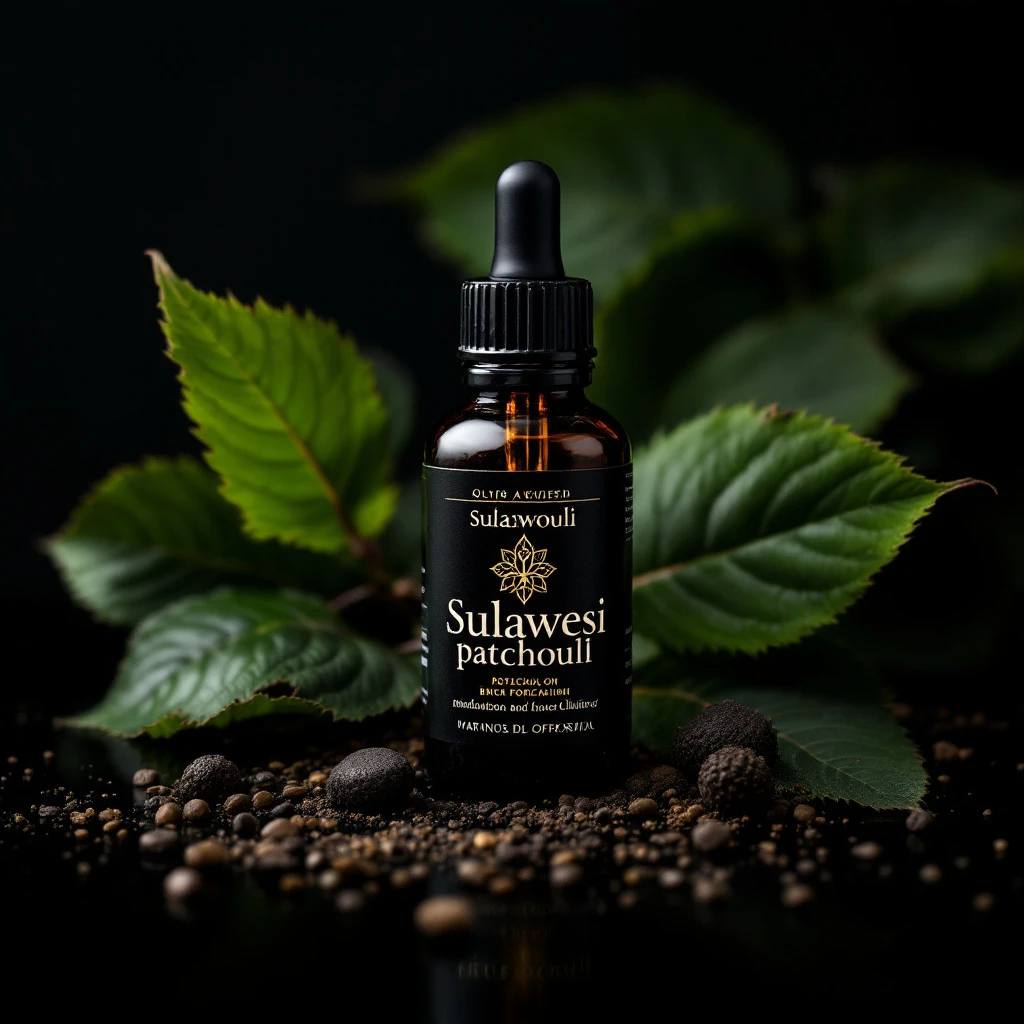
Sulawesi patchouli is Indonesia's most prized perfumery-grade expression of this globally essential ingredient. Known for its rich, multi-layered earthy character with distinctive camphoraceous and minty undertones, it reflects the volcanic soils and generations of agrarian expertise that define this island's fragrance heritage.
Character
How it smells
Earthy depth with an island edge
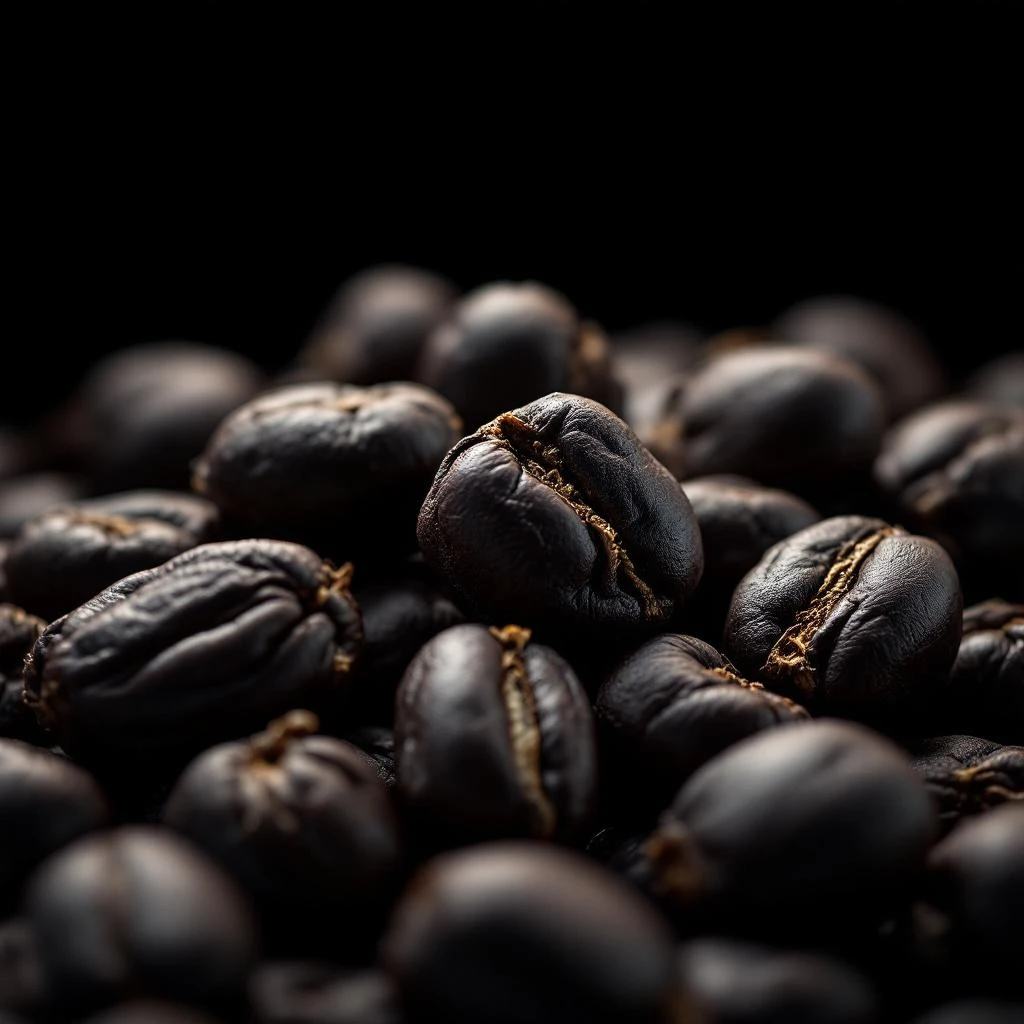
Patchouli leaves must undergo controlled fermentation before distillation — a step that transforms raw botanical matter into the complex, perdurable base note that perfumers rely on.






Origin
Indonesia
Patchouli originates from Southeast Asian tropical regions and traveled westward along the ancient silk route, becoming embedded in fragrant traditions across the Middle East and Europe. English traders encountered it in the 19th century and its popularity accelerated through the 1960s counter-culture movement.
Indonesia now produces roughly 90% of the world's patchouli oil, with Sulawesi's agrarian communities driving both supply and traditional cultivating knowledge. The ingredient ranks second only to citrus among the most widely used natural raw materials in modern perfumery since the early 20th century.
Wears it best
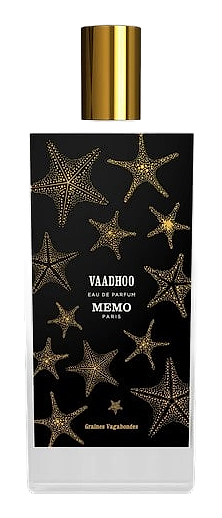
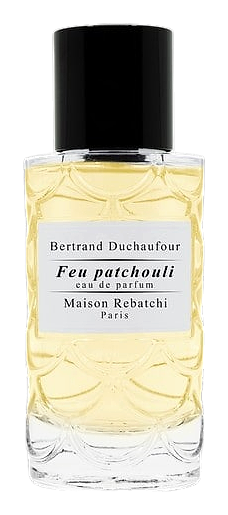
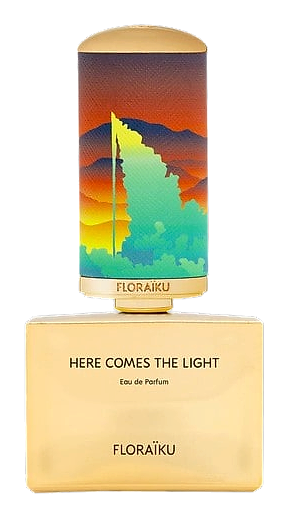
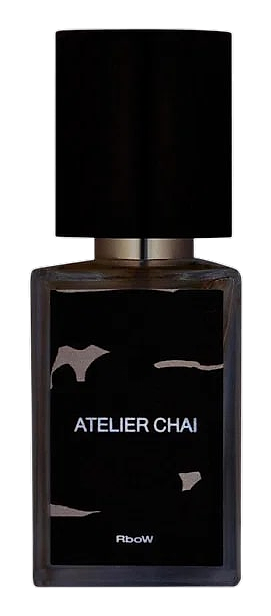
Fragrances featuring Sulawesi patchouli
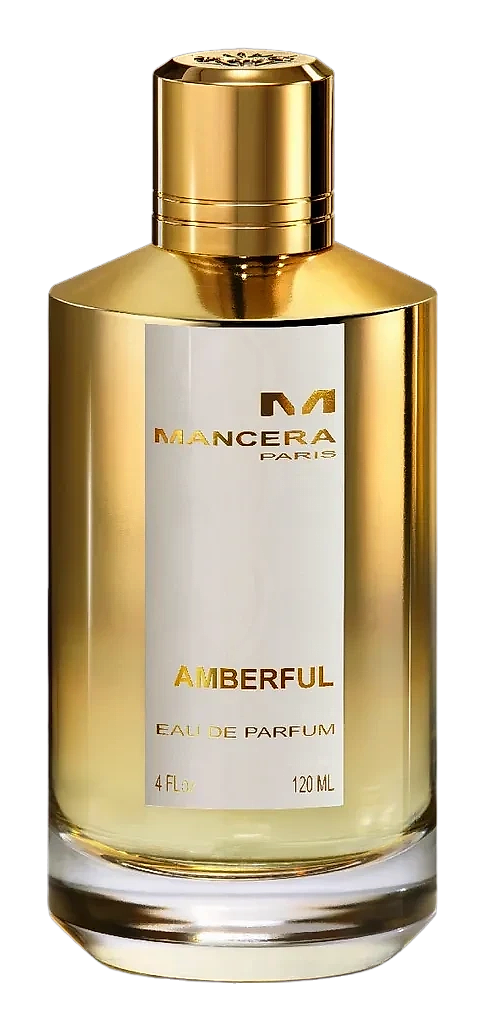

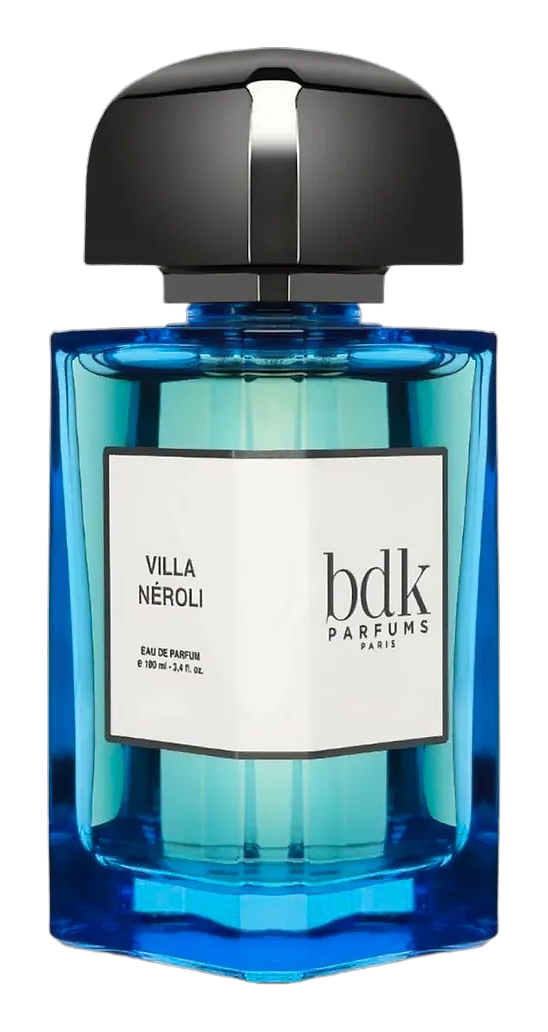
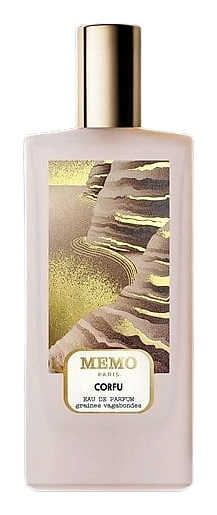
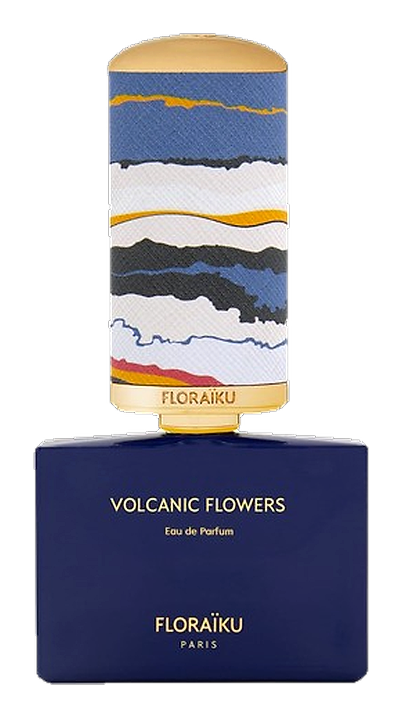


Brands
Brands known for Sulawesi patchouli
Good to know
Questions, answered
The essentials on Sulawesi patchouli in perfumery: how it smells, where it comes from, and how it behaves on skin.
What makes Sulawesi patchouli different from other Indonesian patchouli varieties?
Sulawesi patchouli develops sharper camphoraceous and minty facets alongside its earthy core, distinguishing it from varieties grown in Java, Sumatra, or Aceh. Volcanic soils and the island's specific fermentation and drying traditions shape this character.
Why is patchouli considered a foundational perfumery ingredient?
Patchouli acts as a versatile fixative and base note. After citrus, it is the most widely used natural raw material in perfumery, lending depth, sillage, and longevity to compositions across fragrance families.
What geographic factors influence Sulawesi patchouli quality?
Sulawesi's tropical climate, consistent rainfall, and mineral-rich volcanic soils in highland areas provide ideal growing conditions for Pogostemon cablin, enabling sustained cultivation at scale.
How does patchouli become a counterpoint to lighter notes in a fragrance?
Patchouli's dense molecular structure slows fragrance evaporation, anchoring volatile top notes and creating a stratified scent experience that evolves over several hours on skin.
What role does fermentation play in patchouli oil production?
Fermenting the dried leaves before distillation initiates enzymatic breakdown of plant matter, developing the complex earthy base notes that distinguish quality patchouli oil from sharper, less nuanced material.
How should patchouli oil quality be evaluated?
Colour, viscosity, and the balance between earthy woodiness and camphoraceous sharpness indicate quality. Indonesian patchouli oil ranges from pale amber to dark brown depending on leaf quality and distillation conditions.
What is the global significance of Indonesian patchouli in perfumery?
Indonesia supplies approximately 90% of global patchouli oil output, roughly 1,350 metric tons per year. Sulawesi alone produces the largest share of this volume, making it a critical node in fragrance supply chains worldwide.
Can patchouli be natural and synthetic simultaneously?
Natural patchouli oil contains hundreds of aromatic compounds. Perfumery also uses isolated molecules like patchoulol — a primary sesquiterpene — for analytical standards and semi-synthetic derivations, though full reconstitution remains impractical.