The Story
Why it exists.
The beginning
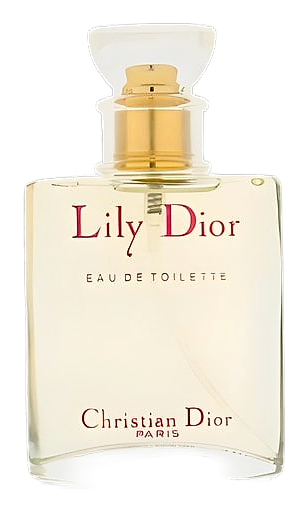
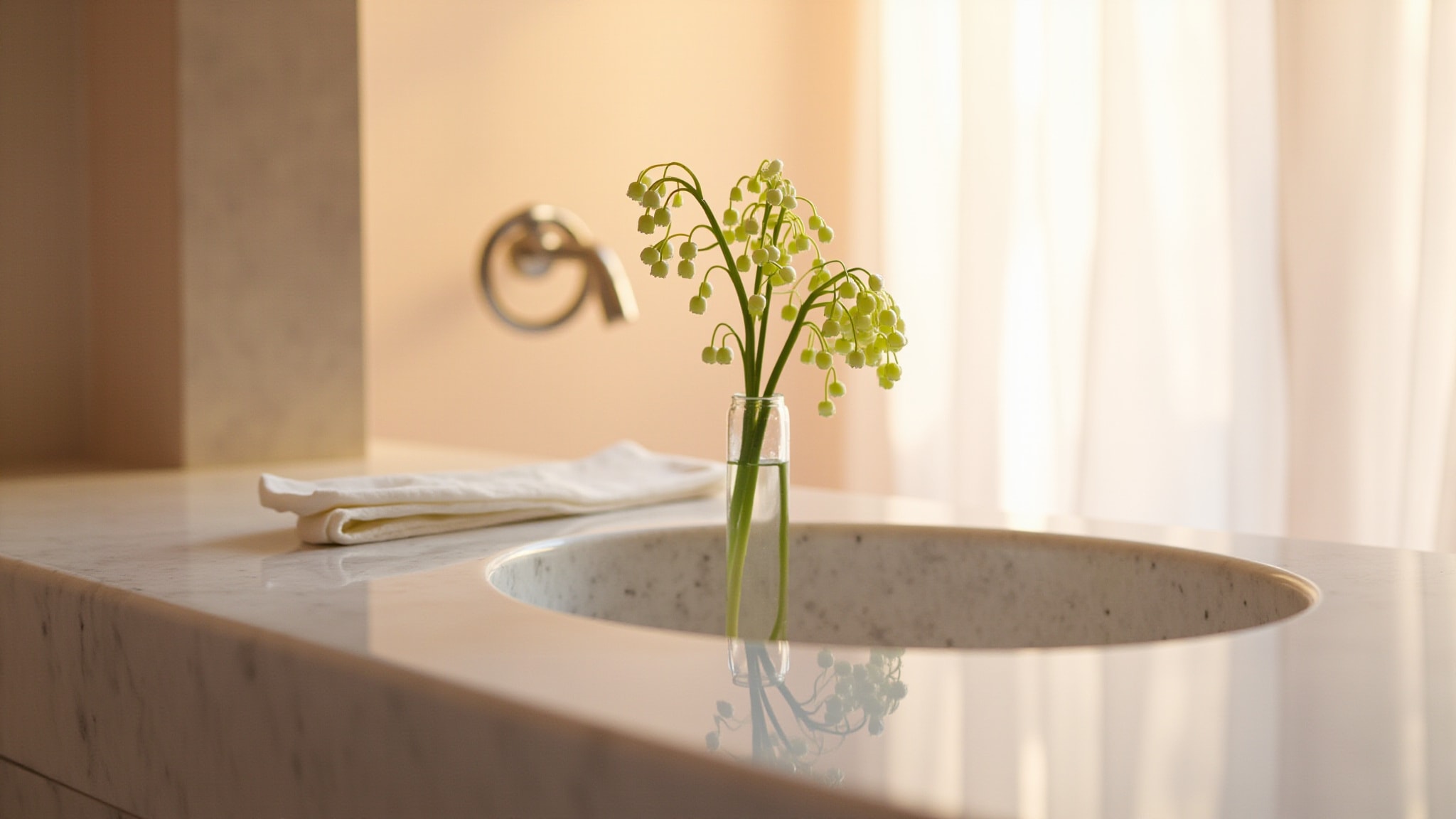
Christian Dior's relationship with flowers runs deeper than any other note family in the house. His childhood garden in Granville wasn't decoration, it was instruction. So when the house turned its attention to lily of the valley as a naming concept, it wasn't decoration either. Lily Dior arrived in 2004 as a quiet addition to a portfolio already crowded with statement florals. Where Poison demanded attention and J'adore filled rooms, this one kept its voice low. The name said everything: pure lily, no pretense. A Dior fragrance built around a single idea, the moment you pick a stem from the garden and the green scent still clings to your fingers.
What makes this formula unusual isn't complexity, it's restraint. Four materials total. Lily of the valley anchors the opening with that cool, almost mineral freshness it carries in nature, while ylang-ylang introduces a faint warmth underneath. The jasmine-rose base never fully announces itself; it's more a suggestion than a statement. The result is a fragrance that smells exactly like what it is, nothing more. In a luxury market that often rewards excess, that directness is its own kind of confidence.
The evolution
The opening announces lily of the valley without ceremony, crisp, slightly green, the scent of stems cut at dawn. Ylang-ylang slips in quietly beneath, adding a creaminess that softens what could otherwise feel sharp. By the first hour, the white florals have settled. The composition flattens into something sweeter, the freshness giving way to a mild warmth that some wearers describe as almost powdery. The transition is gentle. No drama. The jasmine and rose in the base arrive reluctantly, arriving around the second hour as a whisper rather than a statement. Neither is particularly rich here, the rose stays pale, the jasmine restrained. By the third hour, skin holds only the faintest trace. On fabric, a ghost of sweetness persists until the next wash. Moderate sillage throughout means it stays close, a private experience rather than a broadcast one.
Cultural impact
Lily Dior was discontinued, which tells its own story. The fragrance occupied a difficult middle ground, too quiet for those seeking Dior's signature drama, too structured for those who prefer their florals messy and animalic. It found its audience among wearers who wanted purity over presence. Those who loved it tended to love it quietly, without the fanfare that surrounded other house releases. In the context of Dior's portfolio, it reads less as a statement and more as an answer to a question not enough people were asking.