The Story
Why it exists.
The beginning
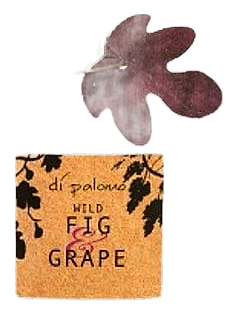
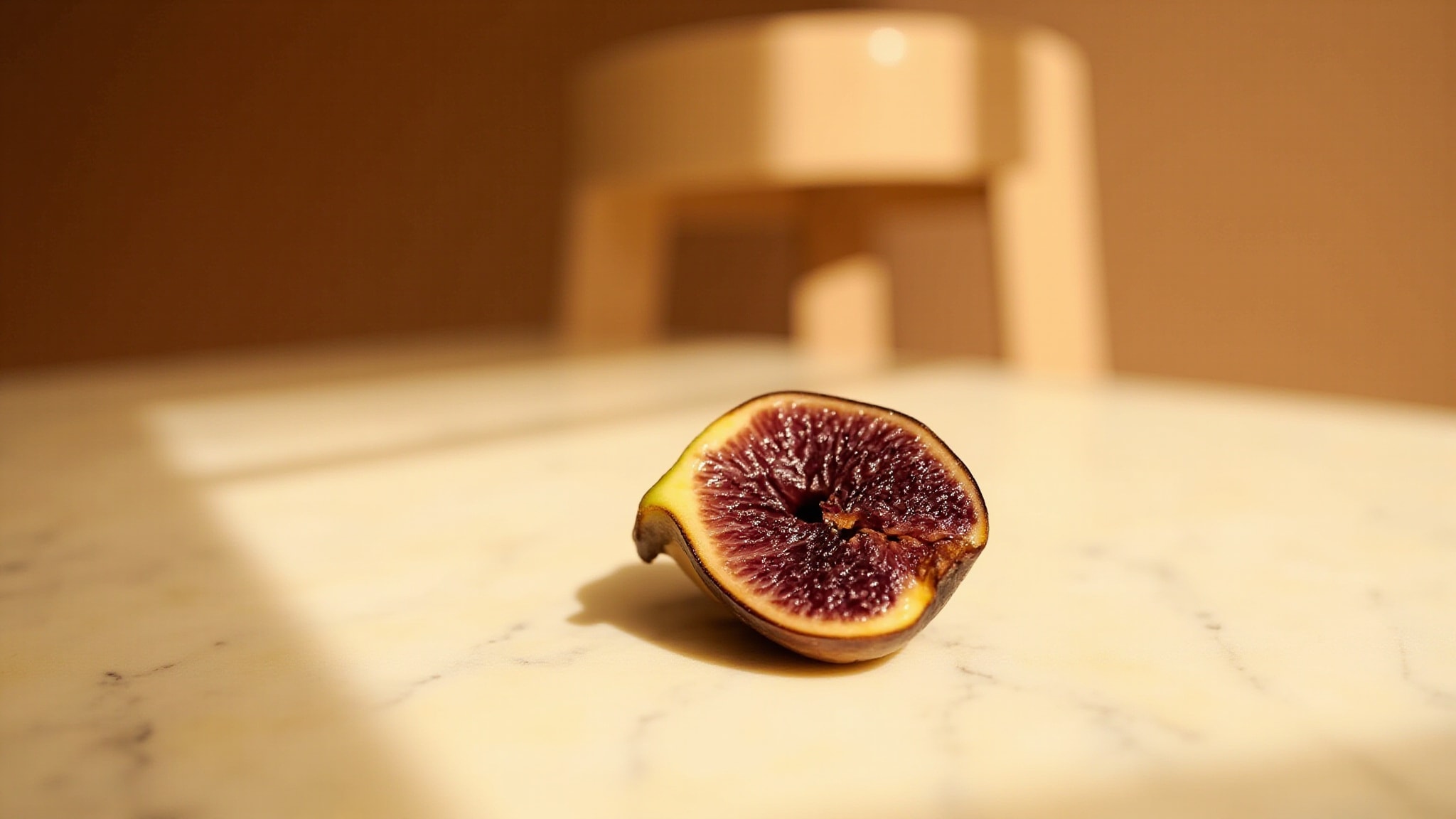
Wild Fig & Grape is Di Palomo's answer to a very specific longing, the ache for Italian mornings. The fragrance translates that longing into something wearable. Early sunlight filters through thick foliage, catching the air in a way that feels both fresh and intimate. The name says fig and grape because those notes anchor the composition, giving it a clear identity from the first spray. What follows is a study in contrast: the bright, almost effervescent quality of the grape against the deeper, rounder presence of fig. The overall effect is of a morning that is still quiet, still soft, still holding the last traces of coolness before the day fully arrives.
What makes this composition work is its refusal to tip into any single territory. The grape could go candy. The fig could go green and aggressive. The vanilla could go dessert. None of that happens. Instead, gardenia provides a creamy counterweight to the fruit's sweetness, keeping everything grounded in tropical richness rather than sugar. The delicate florals in the backdrop add nuance without drawing attention to themselves, allowing the gardenia to do the heavy lifting of balance. The base, sandalwood, amber, vanilla, is warm without being heavy.
The evolution
The opening hits bright: grape and gardenia arriving together in something that smells almost effervescent. Gardenia's tropical creaminess keeps the grape from being too jammy, while the whole thing reads as both fruity and floral at once. Shortly after, the fig appears, not green and aggressive, but riper, softer, woven through with orange blossom. The handoff from top to heart is seamless. The drydown belongs to sandalwood and vanilla. Amber appears as a warmth, not a sweetness. This is where the fragrance earns its longevity: the base holds, close to skin, for hours. On fabric, it lingers longer. The next morning, there's a ghost of it, warm, faint, familiar.
Cultural impact
Wild Fig & Grape occupies a particular corner of the market: the affordable fruity-floral that doesn't feel like a department store impulse buy. It's been part of the Di Palomo lineup during the 2000s, which suggests a kind of staying power in a category where most fragrances quietly disappear. Wearers tend to describe it as the scent they return to, not their signature, necessarily, but something they reach for on days when they want warmth without effort. The composition sits comfortably alongside heavier floral-orientals, which may explain its appeal to those who want the richness of a more complex fragrance without the weight.