The Story
Why it exists.
The beginning
Anne-Sophie Behaghel designed Cuir Vénitien around an image: a woman moving through a Venetian night. The starting point was the city itself, its particular darkness, the way marble and leather age together in a palazzo that's been lived in for centuries. She wanted a fragrance that moved like someone crossing a piazza at midnight, arriving somewhere warm after standing in cool air. The brief included cedar and white musk from the beginning. The prunol and passionfruit came later, added because something in the original formulation felt too quiet. The result was louder, stranger, and closer to what the name promised: a leather that breathes.
What makes Cuir Vénitien unusual is the structure of its heart. Most leather fragrances treat the floral layer as decoration, something soft laid over the base. Here, the May rose and jasmine arrive first, before the leather has fully settled. Plum and passion fruit amplify them into something almost tropical, almost ripe, before the suede catches up. The effect is a fragrance that reads as fruity-floral for the first hour, then slowly reveals it was leather all along. Prunol, an aromatic compound associated with bitter plum and marzipan, acts as the bridge, keeping the transition from feeling abrupt.
The evolution
The opening announces itself quickly. Bergamot, bitter orange, a quick hit of aquatic freshness. For about twenty minutes, it reads clean, citrus with a slight chemical edge that recalls cleaning products, though that association fades as the heart develops. Then the tropical notes arrive. Passion fruit and plum take over, sweet and slightly green, pushing the jasmine and rose into the background. The leather appears gradually, first as a texture rather than a smell, the white musk coating the tongue of the composition. By hour two, the cedar has established itself and the fruit has receded. What remains is suede, powder, and a faint sweetness that lingers close to the skin for another four to six hours on most skin types. On fabric, the leather note outlasts everything else, staying present even after a full night's rest.
Cultural impact
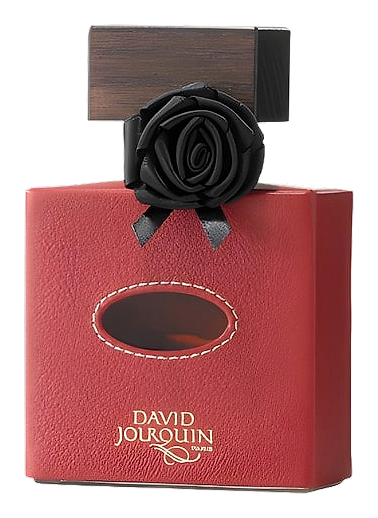
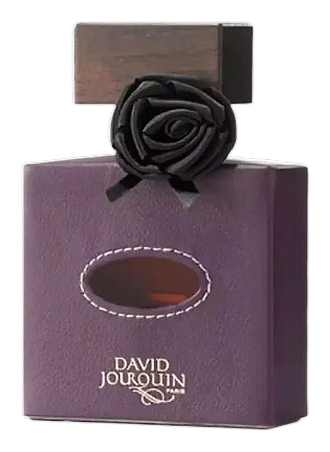
David Jourquin established his niche house in 2011, carving out a distinctive space within contemporary French perfumery by treating leather not as a masculine stereotype but as a fluid, aromatic material open to interpretation. The Cuir series, launched beginning with Cuir Mandarine in 2011, demonstrates this philosophy through successive explorations of citrus-leather, rose-leather, and ultimately the fruit-leather fusion of Cuir Vénitien in 2016. Anne-Sophie Behaghel's composition arrived during a period when niche perfumery was expanding rapidly, yet the house maintained a measured release schedule that allowed each fragrance to develop recognition on its own terms.