Prunol
Prunol captures the soft, velvety sweetness of ripe plum in a lab-crafted molecule. Part of the damascone family found naturally in roses, this synthetic delivers fruity-floral depth with a liqueur-like warmth that adds roundness to both masculine and feminine compositions.

Character
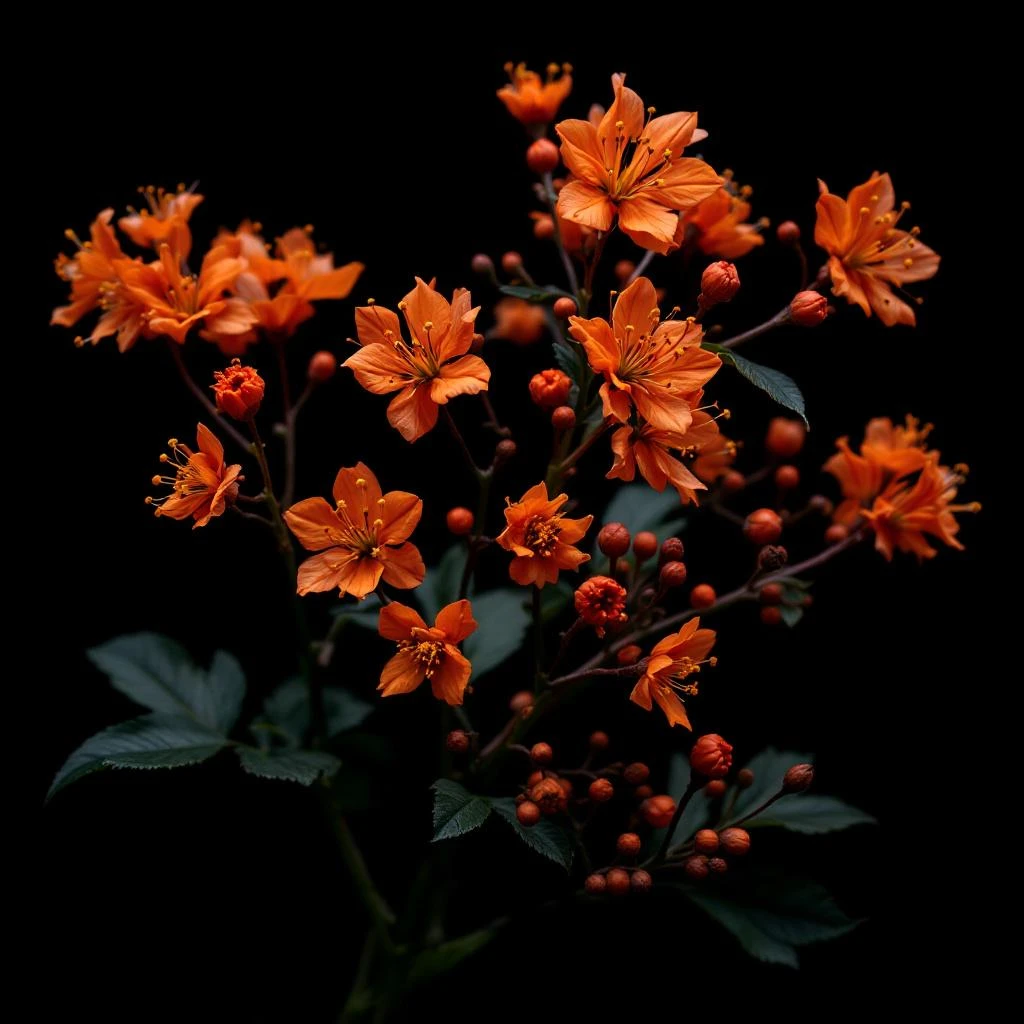
How it smells
Velvety plum reconstructed for fine perfumery.
Prunol uses the same damascone molecules responsible for rose's characteristic scent—plum and rose share a molecular cousin.




Origin
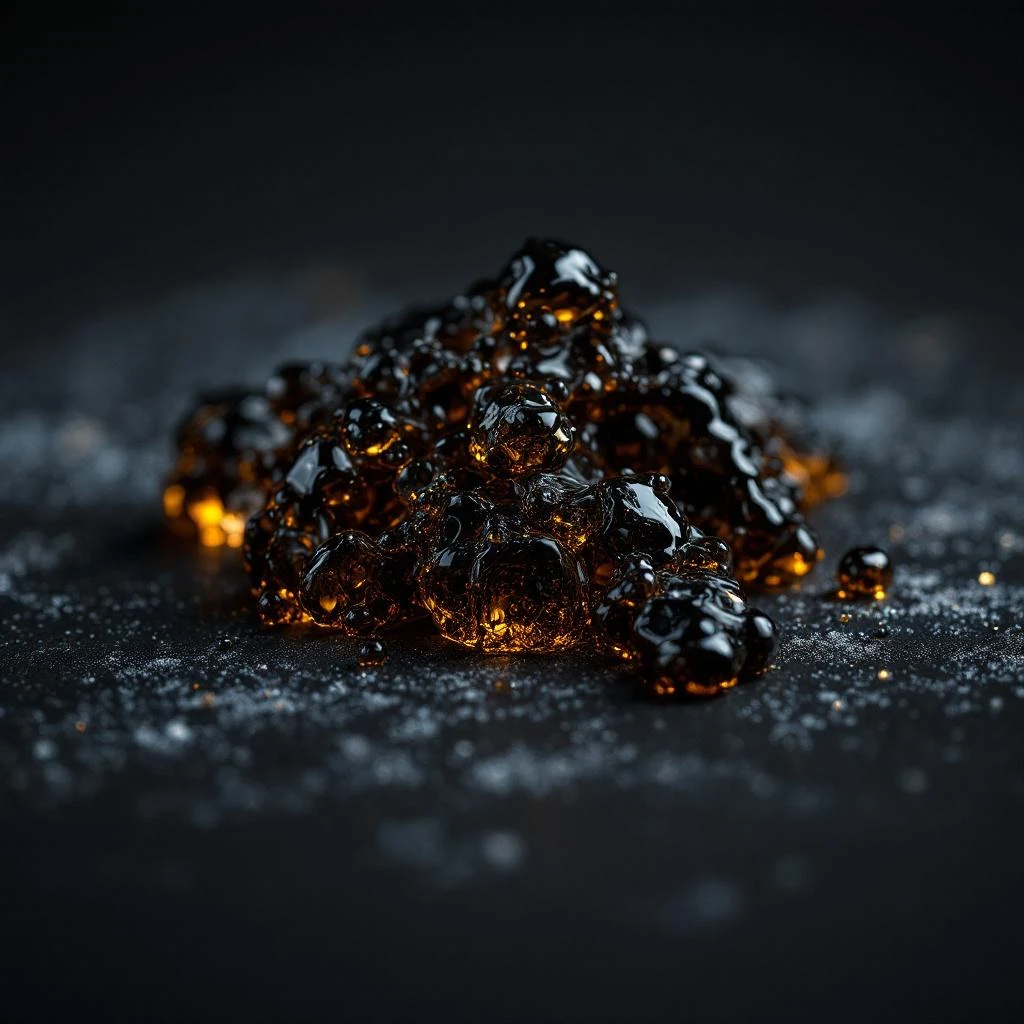
Laboratory synthesized
The discovery of damascones in the mid-20th century marked a turning point in fragrance chemistry. Inspired by naturally occurring compounds in rose oil, perfumers and chemists collaborated to synthesize analogues that could replicate and extend fruity notes found in nature. Prunol emerged as perfumers sought to incorporate plum's velvety character into compositions without depending on natural extracts, which proved challenging to extract and standardize.
The rise of synthetic fragrance chemistry in post-war Europe democratized complex scent profiles, allowing houses to craft nuanced fragrances at scale. Today, Prunol represents the sophisticated marriage of scientific understanding and artistic intent—a bridge between what nature provides and what perfumers envision.
Wears it best
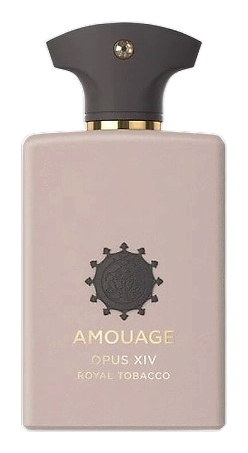
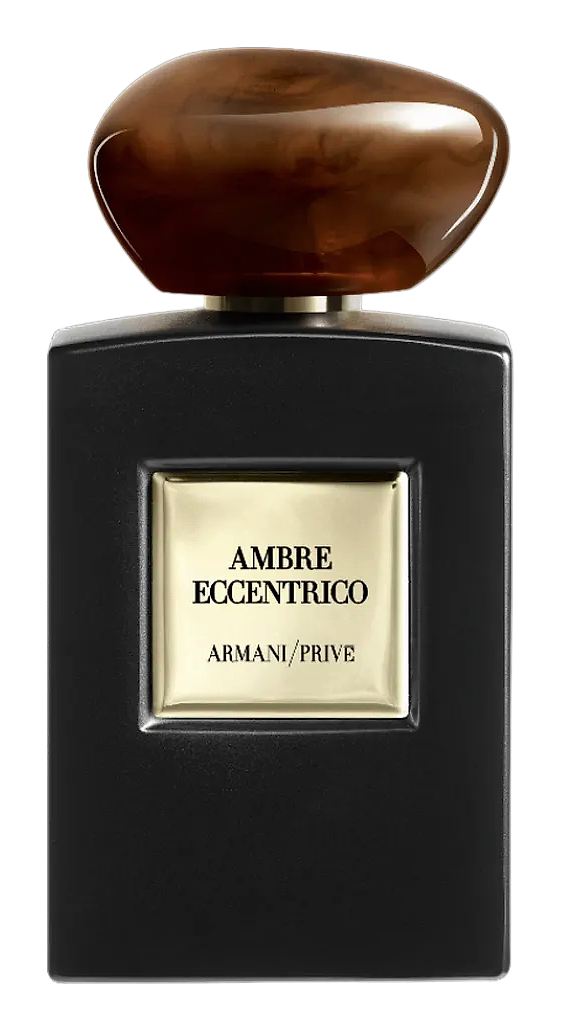
Fragrances featuring Prunol
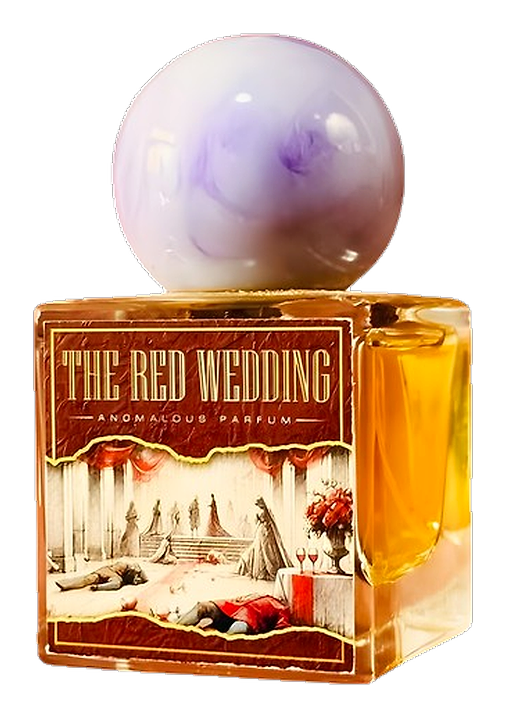
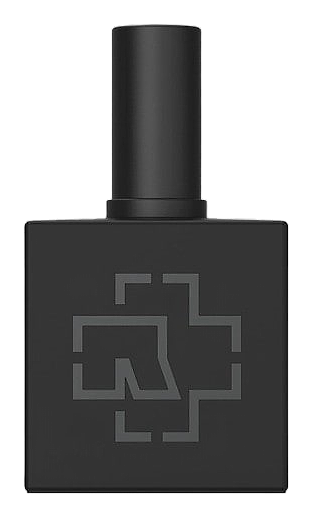
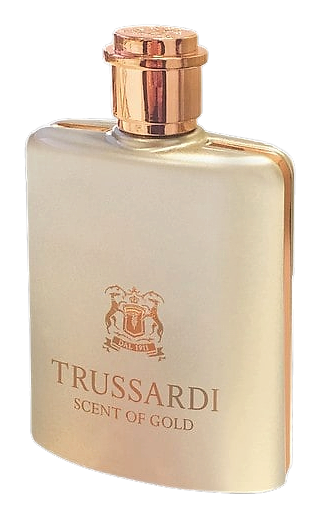
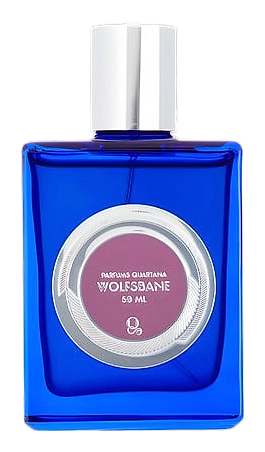
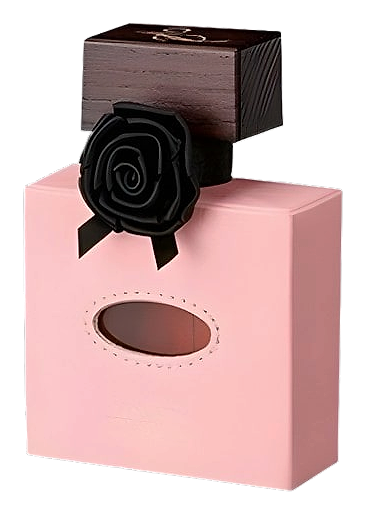
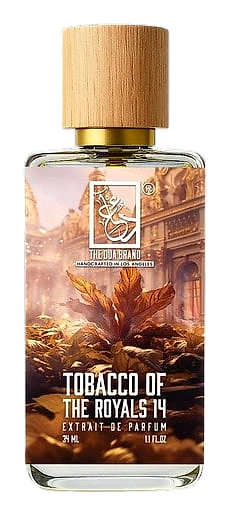


Brands
Brands known for Prunol
Good to know
Questions, answered
The essentials on Prunol in perfumery: how it smells, where it comes from, and how it behaves on skin.
What does Prunol smell like?
Prunol delivers a fruity-floral scent with the velvety sweetness of ripe plum and a subtle liqueur-like warmth. It adds roundness and depth to fragrance compositions without overpowering other notes.
Is Prunol natural or synthetic?
Prunol is entirely synthetic, reproducing plum's characteristic scent through lab-synthesized damascone compounds. This ensures consistency across batches, which natural extracts cannot guarantee.
Which fragrance families use Prunol?
Prunol appears in oriental, chypre, and fruity florals, where its plum facet adds depth. It works particularly well in masculine and feminine compositions seeking a velvety, slightly liqueur-like sweetness.
What is the difference between natural plum and Prunol?
Natural plum absolute is difficult to extract and varies with harvest conditions. Prunol provides a standardized, reproducible plum note with enhanced stability in formulations, making it more practical for commercial fragrance production.
Can Prunol replace rose in a composition?
Prunol shares molecular ancestry with damascones found in rose, but it delivers distinct plum character rather than rose's characteristic freshness. They complement each other rather than serving as direct substitutes.
What pairs well with Prunol in fragrance?
Prunol harmonizes with woody base notes like sandalwood and vetiver, floral hearts such as jasmine and iris, and warm oriental ingredients including vanilla and benzoin, creating layered, nuanced compositions.
When was Prunol introduced to perfumery?
Damascone chemistry developed through the mid-20th century as synthetic fragrance materials expanded. Prunol emerged as perfumers sought reliable fruity notes beyond natural extracts, gaining prominence in formulations from the 1970s onward.
Is Prunol used in products beyond perfume?
Prunol appears in home fragrances and consumer products where a cooked plum or liqueur-like warmth is desired. Its stability makes it suitable for various applications beyond fine perfumery.
In the same family