The Story
Why it exists.
The beginning
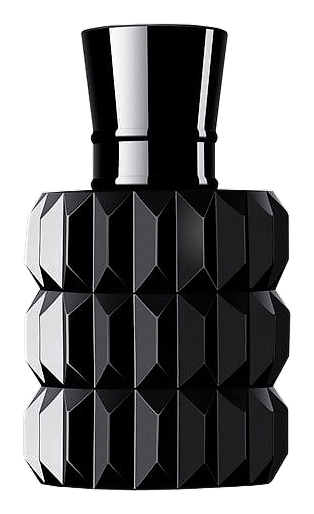
Amélie Bourgeois composed Oud et Bois in 2014 for D'ORSAY. The brief wasn't reinvention. It was reverence. Bourgeois built the fragrance around a single, deliberate idea: let the oud speak uninterrupted, strip away the citrus fruit and the floral buffer that usually softens it, and see what the raw material sounds like when it's left alone. Oud et Bois is part of the brand's Al-Kimiya line, a series the house treats as an alchemical exercise, raw and unmediated. No top-note architecture, no clever sparkler at the opening. Just the wood, the resin, and the patience to let them do the talking. The composition is built exclusively from base notes, a structural choice that places every material at skin level from the first spray.
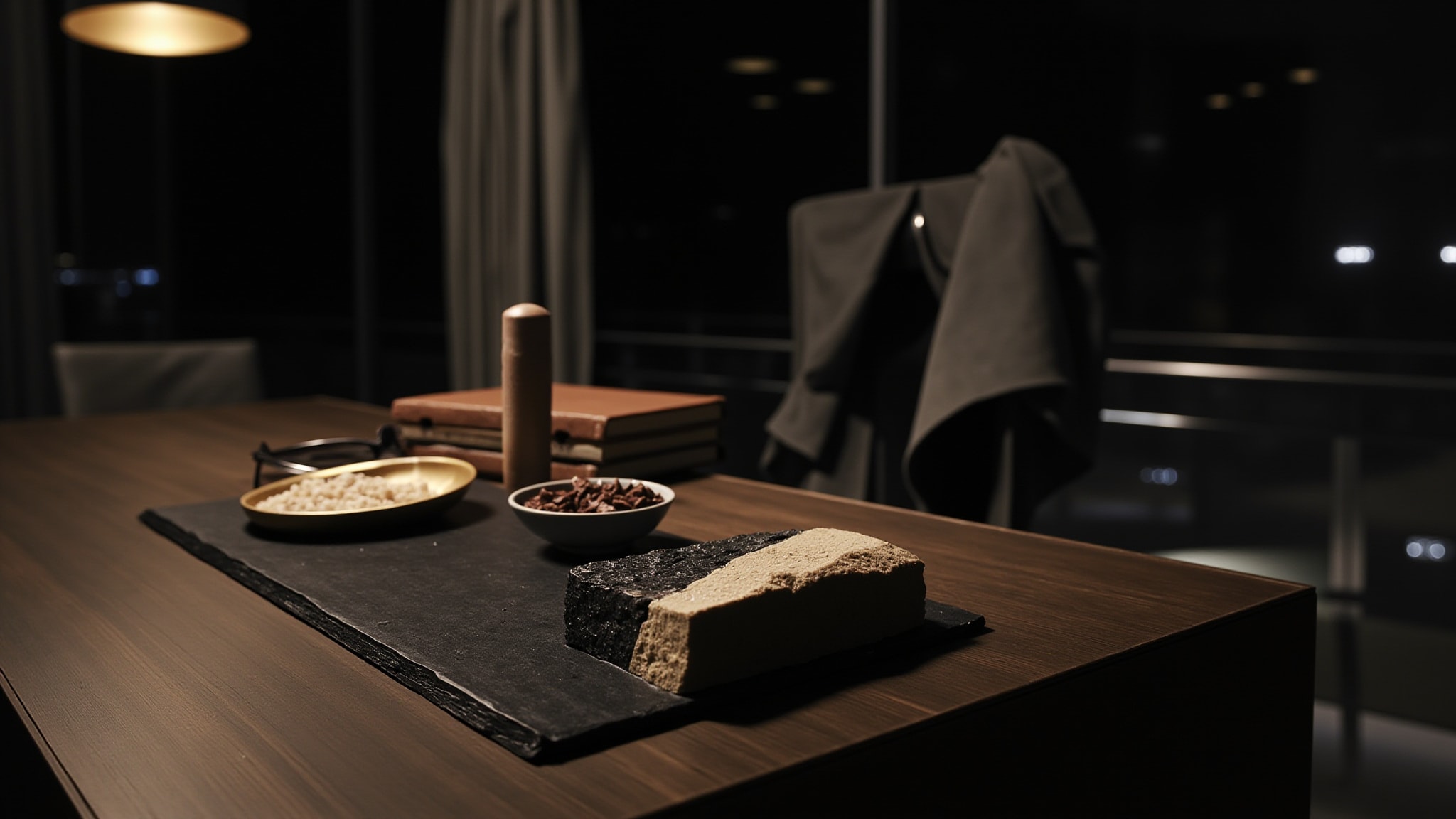
What makes this composition structurally unusual is the absence of any introductory layer. Oud et Bois is built from base materials only, designed not just for solo wear but explicitly for layering, intended to slot beneath another scent and donate its depth without competing for attention. The materials themselves are chosen for persistence rather than flash. Laotian oud for its deep, almost smoky resin. Australian sandalwood for its creamy, long-lasting warmth. Cypriol, elemi, frankincense, labdanum, amber, patchouli.
The evolution
There's no opening to describe because the fragrance begins already arrived. Within the first fifteen minutes, the full weight of the composition is on skin: a dense, resinous hum of oud and elemi, the sharpness of elemi cutting through like a blade held near a candle. By the one-hour mark, the frankincense and labdanum step in, softening the elemi's edge and pulling the oud into something warmer, almost ecclesiastical. The sandalwood arrives quietly through the second and third hours, lending a creamy undertone that keeps the whole composition from feeling like a church crypt. At four to five hours, the patchouli and cypriol take over, grounding everything in a darker, earthier register. The oud never fully disappears. It thins, yes, but stays present well past the eight-hour mark, a faint resin trace that lingers on clothing the next morning like the memory of somewhere you went without telling anyone.
Cultural impact
Oud et Bois belongs to a tradition of resin-forward compositions that ask the wearer to commit. It's the fragrance of someone who already owns one oud and wants a second one that behaves differently. This one stayed austere, an editorial choice that has earned it a quiet following among collectors who value structural clarity over sweetness. The production was apparently discontinued, which has done nothing to diminish its reputation and everything to sharpen its appeal. On skin, the austerity reveals itself gradually, a slow unfolding of smoke, wood, and resin that rewards patience.