The Story
Why it exists.
The beginning
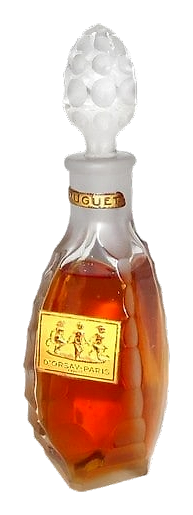
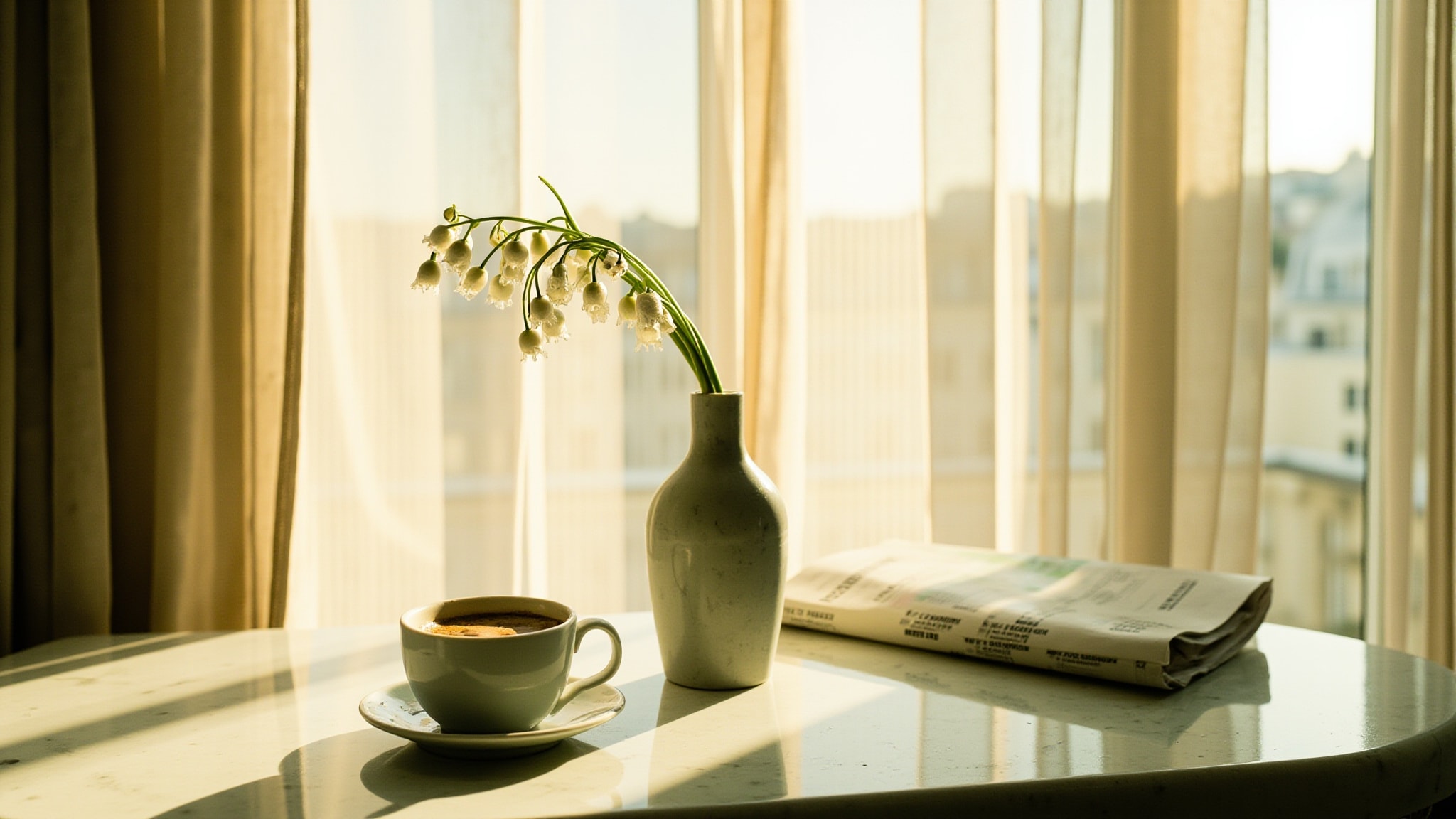
Muguet by D'ORSAY arrived in 1924, a single-flower thesis rendered in liquid form. The name means lily of the valley in French, and the fragrance treats that one bloom as the entire argument. No clever subversion, no abstract reinterpretation. Just muguet, rendered the way Parisians of the early twentieth century expected to encounter it: sparkling, green, unmistakably feminine, and unapologetically old-fashioned in the best sense of that word. The opening carries that crisp aldehydic brightness, almost soap-like in its clarity, before settling into a green, leafy heart where the muguet proper takes over. There's a wet, dewy quality to the accord, the kind of green that recalls stems snapped fresh from a shaded garden rather than anything dried or potpourri-like.
What separates this muguet from so many others is the supporting cast. Aldehydes do the bright, soapy shimmer that makes the opening feel effervescent rather than flat. Bergamot adds a citric snap without tipping into cologne territory. Then the heart layers tuberose and jasmine underneath the muguet, which is an unusual structural choice. The tuberose gives Muguet weight, a creaminess that keeps it from dissolving into air before the drydown can even register. That stacking matters.
The evolution
The first minutes are all aldehyde. Sharp, bright, almost metallic in a deliberate way, a lift that feels more effervescent than aggressive. The bergamot softens the edges, but the overall impression is sparkling, lifted, and cool. This is not a quiet opening. Then the green accord arrives, pulling the composition downward into something wetter, leafier, and more grounded. The muguet proper shows up shortly into the wear, sweet and green, with that distinctive dewy quality the flower carries in real life. Tuberose creeps in from underneath, adding a creamy richness that gives the heart unexpected weight. The jasmine stays in the background, contributing a faint indolic warmth without ever pushing forward to compete with the central accord.
Cultural impact
Muguet holds a distinctive position among vintage French muguet compositions. The inclusion of tuberose alongside the central muguet note is what sets it apart from the many compositions that treat the flower as a solitary subject. This structural choice gives the fragrance a weight and dimensionality that purely green muguets tend to lack, and it positions the composition as a more elaborate interpretation of the flower rather than a simple soliflore. The production appears to have been discontinued, which gives surviving bottles a particular resonance.