The Story
Why it exists.
The beginning
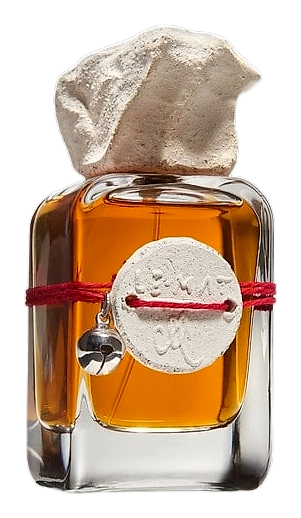
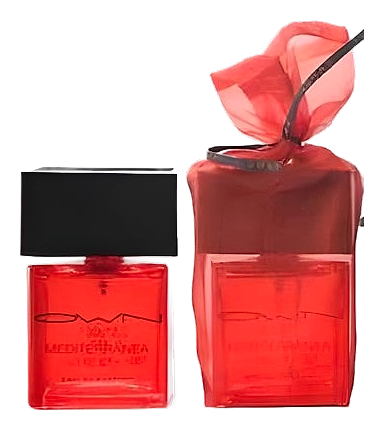
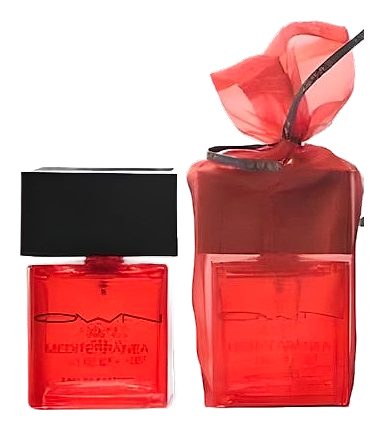
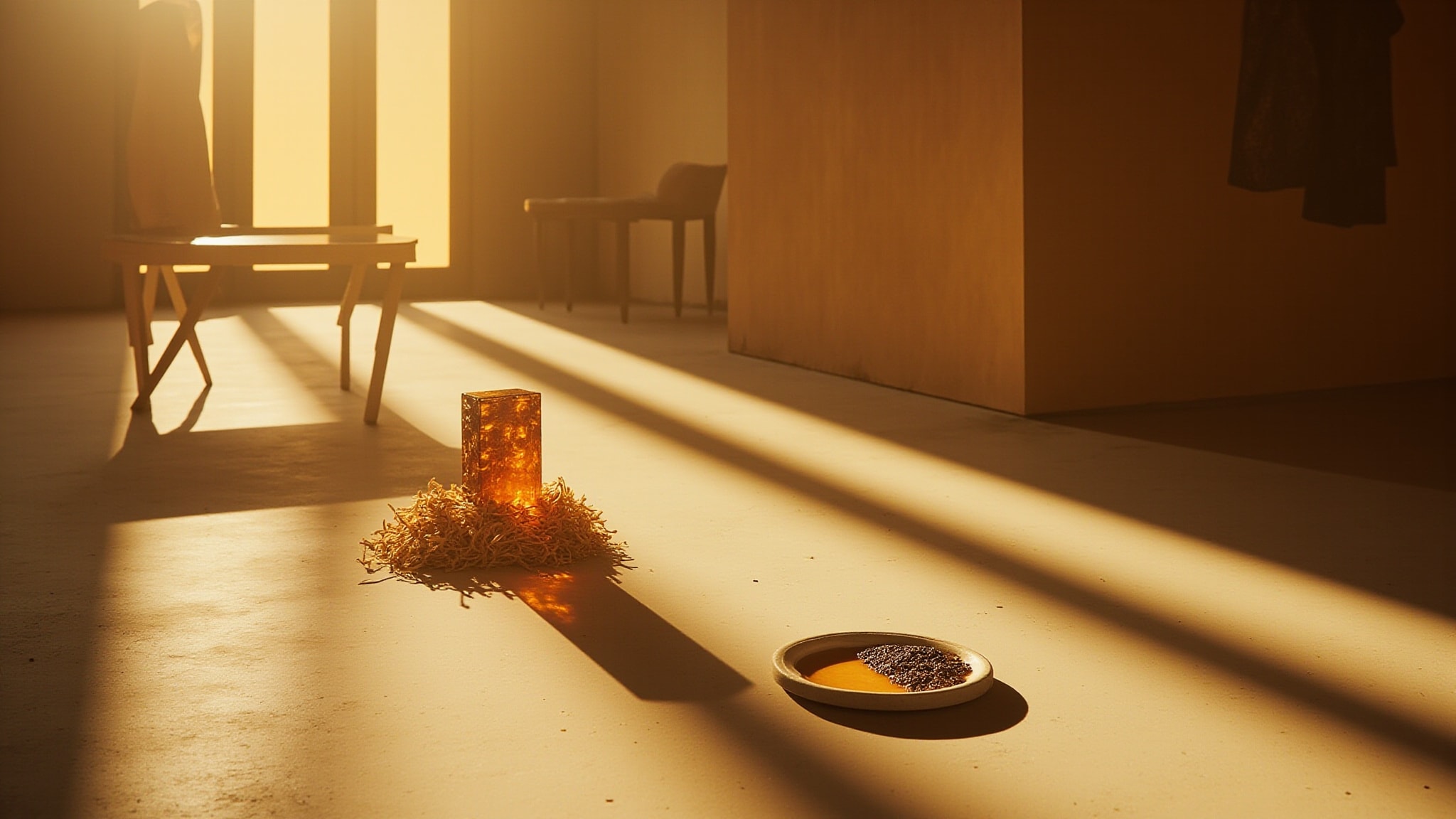
Terraforte arrived alongside Mediterranea in April 2009, both described in the brand's own materials as inspired by the energy of the sun and the strength of the earth. If sunshine had a scent, it lived in the other bottle. If solid ground had a scent, it lived in this one. The note structure reflects that intention directly. Amber, spices, and woods compose a framework stripped to its bones. Nothing decorative, nothing ornamental. The brief was earth itself, the weight and warmth of soil shaped by centuries of exposure. Culti's tradition of single-note clarity and architectural minimalism shaped the execution. Terraforte reads as material, not as arrangement. Each component earns its inclusion by serving the central metaphor of land made warm.
What makes this composition worth your attention is its refusal to decorate. Terraforte strips the chassis down to three categories and lets them argue with each other. Woody notes provide structure, amber provides gravity, and spices provide movement. This composition earns its warmth without rose, without vanilla, without any of the usual shortcuts. The result reads earthy rather than edible, grounded rather than sweet.
The evolution
The opening arrives already cooked. Amber and spice arrive together rather than unveiling in stages, creating an immediate sensation of warmth without a cooling period. There's no bright citrus to signal freshness, no herbal opening that promises green relief. Instead the first phase delivers a dense, spiced wood with a faintly resinous edge, something that reads as warm timber or freshly worked lumber rather than anything green or living. The woods shift gradually as the composition moves past its opening salvo, softening as the spice note sharpens into something peppery, dry, almost arid. The accord takes on a powdery cast during this middle window, dusty in a way that reads as deliberate rather than tired. That powderiness sits over the woody foundation without burying it, adding a soft, starchy quality to the otherwise dense blend.
Cultural impact
Terraforte's three-note architecture, amber, spices, woody notes, makes a quiet statement through restraint. The composition sits firmly in the oriental spicy category but refuses to behave like the louder, sweeter examples crowding that segment. Where many orientals lean on rose, vanilla, or gourmand warmth to build their identity, Terraforte stays reductive and material-driven. The accord profile lists warm spicy, amber, and woody as the dominant signatures, and the juice itself honors that classification without ornamentation. The result is a scent that reads earthy rather than edible, grounded rather than sweet.
The House
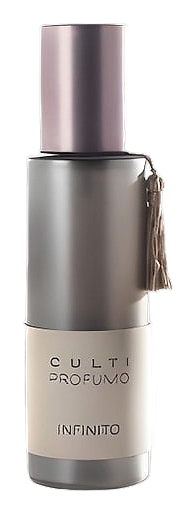
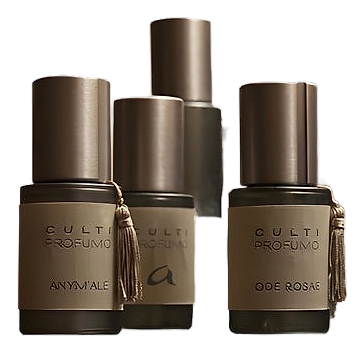
CultiCulti Milano crafts scented experiences that bridge interior design and perfumery. Founded in Milan in 1990, the label translates the language of space into glass flacons and wooden stick diffusers that fill rooms with nuanced aromas. Its catalogue spans home fragrances, personal care and limited‑edition scents, each anchored in an Italian tradition of material quality and visual refinement.
The Creator
Alessandro AgratiAlessandro Agrati’s signature technique blends architectural thinking with olfactory composition. He builds a scent in layers, starting with a structural base of woods or resins, then adds a mid‑range of florals or spices, and finishes with a fleeting top that mirrors the firs…