The Story
Why it exists.
The beginning
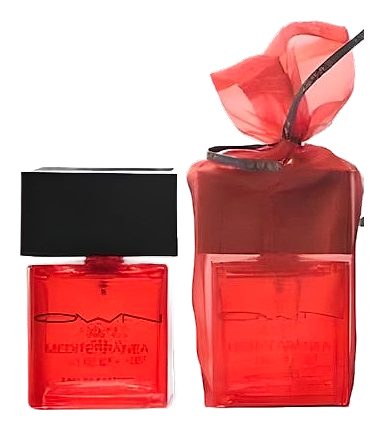
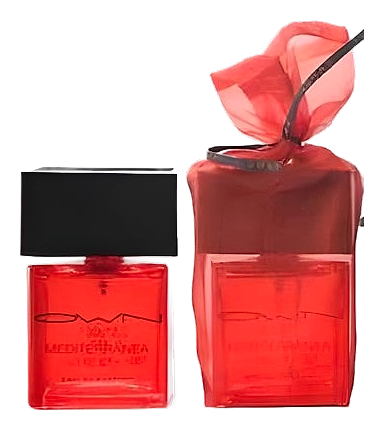
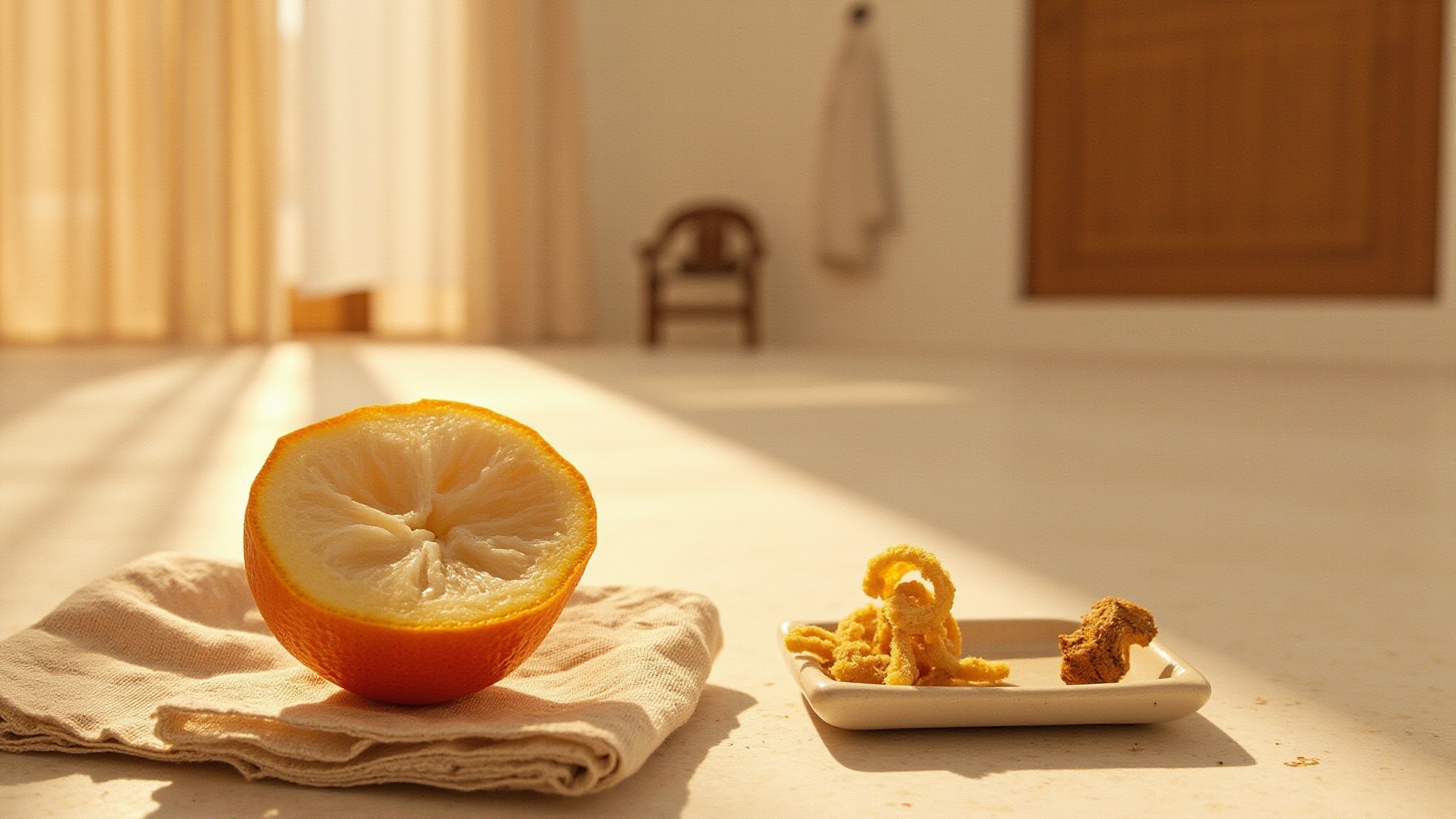
Mediterranea appeared in April 2009, the work of Alessandro Agrati for Culti, and it joined a small set of releases that arrived in red glass that same season. The composition reads as Agrati's ode to the sun. The Apulian countryside, with its pomegranate trees and prickly pears weighted down by fruit, is part of the picture behind the brand. Three ingredients hold the composition together: Sevilla bitter orange, ginger, and Virginia cedar. The Sevilla bitter orange brings a sharp, almost floral bitterness, closer to marmalade rind than fresh juice. The ginger contributes warmth without sting, a clean heat that sits close to the skin. The Virginia cedar grounds the composition in dry wood, lending a steady, mineral quiet to the blend.
What gives the structure its particular readability is the way the three notes are treated. Bitter orange, ginger, and cedar sit close together, almost at the same altitude, each one visible from the first spray onward. The ginger holds attention because it isn't flanked by other spices, so its warmth reads cleanly rather than competing with neighbors. The cedar matters because the citrus above it isn't a sweet orange at all; it's the bitter, almost rind-like Sevilla expression, which pulls the wood toward something greener and less pencil-shaving.
The evolution
On skin, Mediterranea announces itself immediately. Bitter orange hits first, sharp and bright, with the almost-floral bitterness of marmalade rind rather than juice. The ginger arrives within minutes, not as a sharp sting but as a low, clean warmth that settles underneath the citrus like a stone holding heat. For the first hour, the two dance. The orange softens slowly, losing its peel-edge and moving toward something rounder, almost like orange tea. By the second hour, the cedar has quietly taken over the base. It doesn't replace the other two, it absorbs them. What remains is a warm, dry wood with a ghost of citrus on top and that ginger hum underneath. The drydown reads honestly: the cedar is the last voice still audible, but the orange and ginger never fully disappear, and they leave their traces woven through the wood.
Cultural impact
Mediterranea fits within Culti's wider catalog as a place-driven composition, one that turns toward sun, citrus, and dry wood rather than ornament or convention. The three-note honesty of the blend reads as part of the brand's broader commitment to legible, material-led work, and it shares vocabulary with the home diffusers and body care that Culti also produces. Wearers who are drawn to the line tend to appreciate fragrance as something that can shape a space, something worn with the same attention one might give to a room's scent rather than as a costume or a statement.
The House
CultiCulti Milano crafts scented experiences that bridge interior design and perfumery. Founded in Milan in 1990, the label translates the language of space into glass flacons and wooden stick diffusers that fill rooms with nuanced aromas. Its catalogue spans home fragrances, personal care and limited‑edition scents, each anchored in an Italian tradition of material quality and visual refinement.
The Creator
Alessandro AgratiAlessandro Agrati’s signature technique blends architectural thinking with olfactory composition. He builds a scent in layers, starting with a structural base of woods or resins, then adds a mid‑range of florals or spices, and finishes with a fleeting top that mirrors the firs…