








The Heritage
The Story of Culti
Culti Milano crafts scented experiences that bridge interior design and perfumery. Founded in Milan in 1990, the label translates the language of space into glass flacons and wooden stick diffusers that fill rooms with nuanced aromas. Its catalogue spans home fragrances, personal care and limited‑edition scents, each anchored in an Italian tradition of material quality and visual refinement.
Heritage
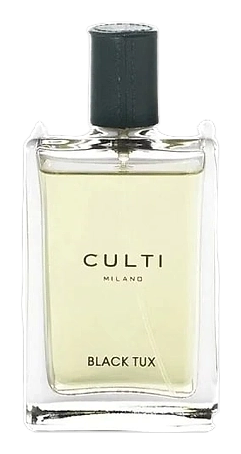
Alessandro Agrati, an interior designer with a penchant for colour and texture, launched Culti Milano in 1990 after recognizing that scent could act as a silent decorator. He opened a modest workshop in Milan’s Brera district, where he experimented with essential oils and natural resins to create ambient fragrances for private homes and boutique hotels. Early collections featured simple, single‑note compositions that emphasized clarity over complexity. In 1992 the brand introduced its signature glass flacon paired with a wooden stick diffuser, a format that allowed scent to travel steadily without the need for electricity. The design, inspired by the clean lines of mid‑century furniture, quickly became a visual hallmark and appeared in design magazines across Europe. Throughout the 1990s Culti expanded its distribution to select concept stores in Paris, London and Tokyo, positioning the line alongside contemporary furniture and lighting collections. By 2005 the company opened a dedicated showroom in Milan’s design quarter, offering clients a tactile experience of raw materials, from raw amber to sustainably harvested woods. The release of Terraforte in 2009 marked the brand’s first foray into a narrative‑driven fragrance, blending earthy vetiver with citrus accords to evoke a Mediterranean landscape. This launch signaled a shift toward more complex olfactory storytelling while retaining the brand’s commitment to material honesty. In 2018 Culti unveiled Milize and Black Tux, two limited‑edition scents that paired the classic diffuser system with experimental accords such as smoked leather and marine notes. The following year the house released a cluster of 2019 fragrances—including Tabacco Assoluto, Geranio Imperiale, Pepe Raro, Acqua Leggera, Rosa Pura and Ode Rosae—demonstrating a prolific creative period that attracted attention from niche‑fragrance editors. Culti’s corporate structure evolved in 2020 when the group published a detailed company profile outlining its sustainability goals, including a pledge to source 80 % of raw materials from certified suppliers by 2025. The following year the brand listed on the Italian stock exchange, providing greater transparency to investors and reinforcing its reputation as a mature design‑driven enterprise. Today Culti Milano operates from a headquarters in Milan, maintains a small‑batch production facility in the Lombardy countryside, and continues to collaborate with architects, hoteliers and curators who share its belief that scent is an integral component of spatial experience.
Craftsmanship
Culti Milano oversees the entire creation process, from raw‑material procurement to the final bottling stage. The brand works with small farms in Grasse, Madagascar and the Balkans, selecting lavender, bergamot, sandalwood and other botanicals that meet strict purity criteria. Harvesters employ traditional hand‑picking methods, which preserve the delicate aromatic compounds and reduce the need for chemical extraction. Once the botanicals arrive at Culti’s Lombardy laboratory, master perfumers blend them using a balance‑focused technique that favors natural absolutes over synthetic shortcuts. The formulas are tested in situ, often in furnished rooms, to assess how the scent interacts with wood, stone and fabric. This pragmatic testing ensures that the final product behaves predictably when diffused from the brand’s wooden stick system. Production runs on a modest scale, allowing the team to monitor each batch for consistency. The glass flacons are hand‑blown by artisans in Murano, a practice that dates back centuries and guarantees a uniform thickness that protects the fragrance from light exposure. The wooden sticks, crafted from sustainably managed beech, are cut to precise dimensions to regulate the rate of evaporation. Quality control involves gas‑chromatography analysis of each batch, confirming that the concentration of key aromatics remains within the target range. Culti also conducts longevity tests, measuring scent projection over a 30‑day period in controlled environments. Any deviation triggers a reformulation before the product reaches retail. Sustainability threads through the manufacturing chain. The brand recycles glass waste, uses biodegradable packaging for its diffusers, and partners with logistics providers that offset carbon emissions. By integrating these practices, Culti maintains a production ethos that aligns with its design‑centric philosophy while meeting contemporary environmental expectations.
Design Language
The visual language of Culti Milano mirrors its architectural roots. Each fragrance resides in a clear, cylindrical glass flacon that showcases the liquid’s natural hue, a nod to the transparency prized in modern interiors. The flacon’s simple geometry is complemented by a brushed‑metal cap, which adds a tactile contrast without detracting from the overall minimalism. The brand’s signature diffusion system consists of a slender wooden stick inserted into a slim glass vial. The stick’s natural grain is left visible, reinforcing the connection between the scent and its botanical origins. When placed on a surface, the diffuser becomes a decorative object, its subtle rise of fragrance echoing the way a well‑placed sculpture commands attention in a room. Culti’s packaging adopts a restrained palette of muted neutrals—soft greys, warm beiges and occasional deep greens—allowing the scent’s colour to become the focal point. Typography on the label employs a clean sans‑serif typeface, spaced generously to convey calm. Marketing imagery frequently features the products alongside interior settings, emphasizing the idea that the fragrance is an extension of the surrounding décor. In retail environments, Culti displays its collections on polished wood shelves, often accompanied by tactile samples of the raw ingredients such as raw sandalwood chips or dried citrus peels. This presentation invites shoppers to engage multiple senses, reinforcing the brand’s belief that scent, sight and touch are inseparable in the creation of atmosphere.
Philosophy
At the core of Culti’s philosophy lies the conviction that fragrance functions as an invisible material, shaping perception as readily as light or texture. The brand treats scent as a design element, selecting ingredients that complement the tactile qualities of a room’s furnishings. Rather than chasing trends, Culti prioritises timelessness; each composition is built around a central note that can linger for years without feeling dated. The company embraces a collaborative approach, inviting architects and interior designers to brief the perfumers on the intended atmosphere of a space. This dialogue informs the choice of raw materials, the concentration of the formula and the diffusion method. Culti’s values emphasize sustainability, craftsmanship and a respect for provenance. The brand sources essential oils from regions with established harvesting practices, and it tracks the lifecycle of each ingredient to minimise waste. Culti also believes that visual presentation should echo olfactory intent. The glass flacon’s clear silhouette mirrors the purity of the scent, while the wooden stick diffuser reflects the natural origins of many accords. By aligning the tactile, visual and aromatic dimensions, Culti aims to create a holistic sensory narrative that enhances everyday environments.
Key Milestones
1990
Alessandro Agrati founded Culti Milano in Milan, launching the brand with a focus on scent as interior design.
1992
Introduced the signature glass flacon paired with a wooden stick diffuser, establishing a distinctive diffusion system.
2009
Released Terraforte, the first narrative‑driven fragrance that combined earthy vetiver with citrus accords.
2018
Launched limited‑edition Milize and Black Tux, expanding the line with experimental accords.
2019
Added a suite of new scents—Tabacco Assoluto, Geranio Imperiale, Pepe Raro, Acqua Leggera, Rosa Pura and Ode Rosae—showcasing a prolific creative year.
2020
Published a comprehensive company profile outlining sustainability targets, including a goal to source 80 % of raw materials from certified suppliers by 2025.
At a Glance
Brand profile snapshot
Origin
Italy
Founded
1990
Heritage
36
Years active
Collection
1
Fragrances released
Avg Rating
4.3
Community sentiment
Release Rhythm


