Alessandro Agrati
Alessandro Agrati began his career sketching interiors in Milan’s vibrant design scene. He arranged furniture, chose fabrics, and painted walls with a precision that earned him commissions from boutique hotels and private residences. In 1990 he launched Culti Milano, a concept that married spatial design with scent. He treated each room as a canvas and each fragrance as a brushstroke, inviting occupants to experience atmosphere through aroma. The first collection featured “A Long History of Passion and Love,” a scent that blended warm amber, soft rose, and smoky incense. Critics praised the way the perfume echoed the brand’s architectural language. Over the past three decades Agrati has expanded the line to include home diffusers, scented candles, and limited‑edition sprays, each released under the Culti Milano name. He continues to collaborate with artisans, textile makers, and visual artists, ensuring that every new release reflects his belief that scent should shape space as powerfully as light or texture.
The hits
Notable creations
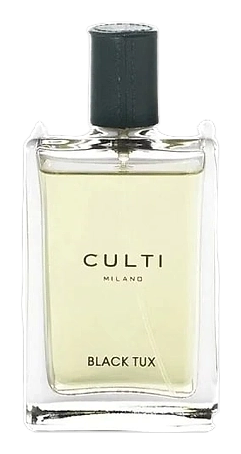
The signature
How Alessandro composes
Alessandro Agrati’s signature technique blends architectural thinking with olfactory composition. He builds a scent in layers, starting with a structural base of woods or resins, then adds a mid‑range of florals or spices, and finishes with a fleeting top that mirrors the first impression of a room. He often incorporates rare absolutes such as jasmine sambac and oud, but balances them with everyday notes like bergamot or sandalwood to keep the fragrance approachable. He experiments with diffusion methods, designing bottles that release aroma slowly, mirroring the way natural light fills a space. His work frequently references the textures he creates in interiors, translating the feel of polished marble or weathered leather into scent.
Philosophy
What drives Alessandro
Alessandro Agrati believes that scent belongs in the same design toolbox as color, line, and material. He approaches a new fragrance like a design brief: he defines the mood, studies the target environment, and selects ingredients that will reinforce the intended narrative. He favors natural extracts that carry a tactile quality, such as raw cedar, crushed violet leaf, and sun‑warmed citrus peel. He avoids overly synthetic accords, preferring transparency that lets a space breathe. For Agrati, a perfume does more than mask odor; it anchors memory, frames conversation, and subtly guides movement through a room. This philosophy drives every Culti Milano launch, from intimate bedroom blends to expansive lobby installations.
The houses