The Story
Why it exists.
The beginning
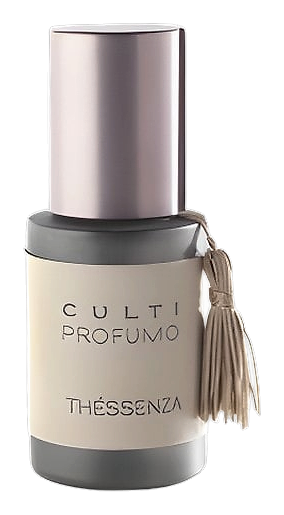
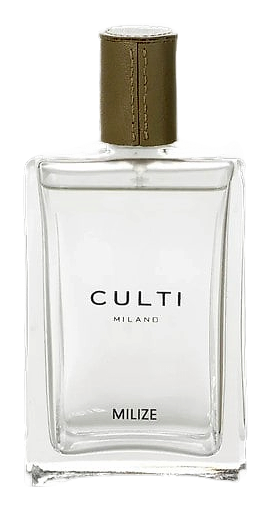
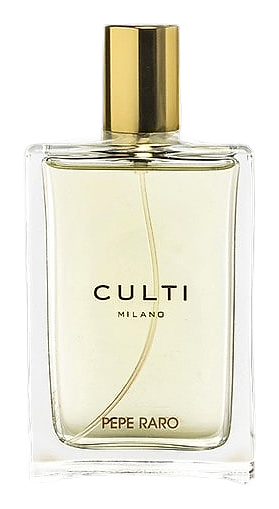
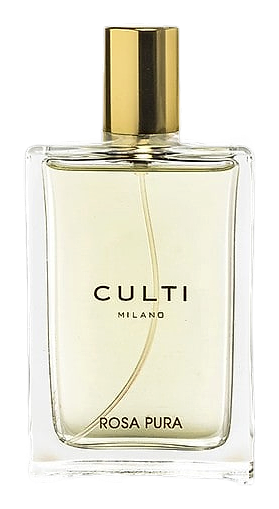
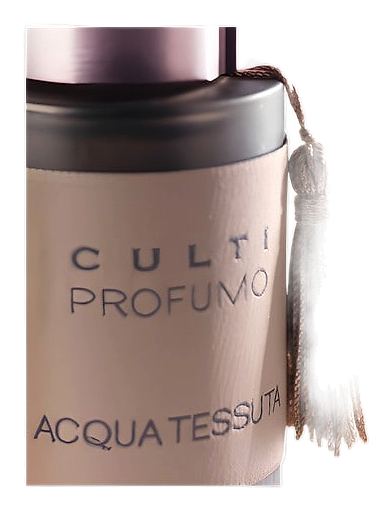
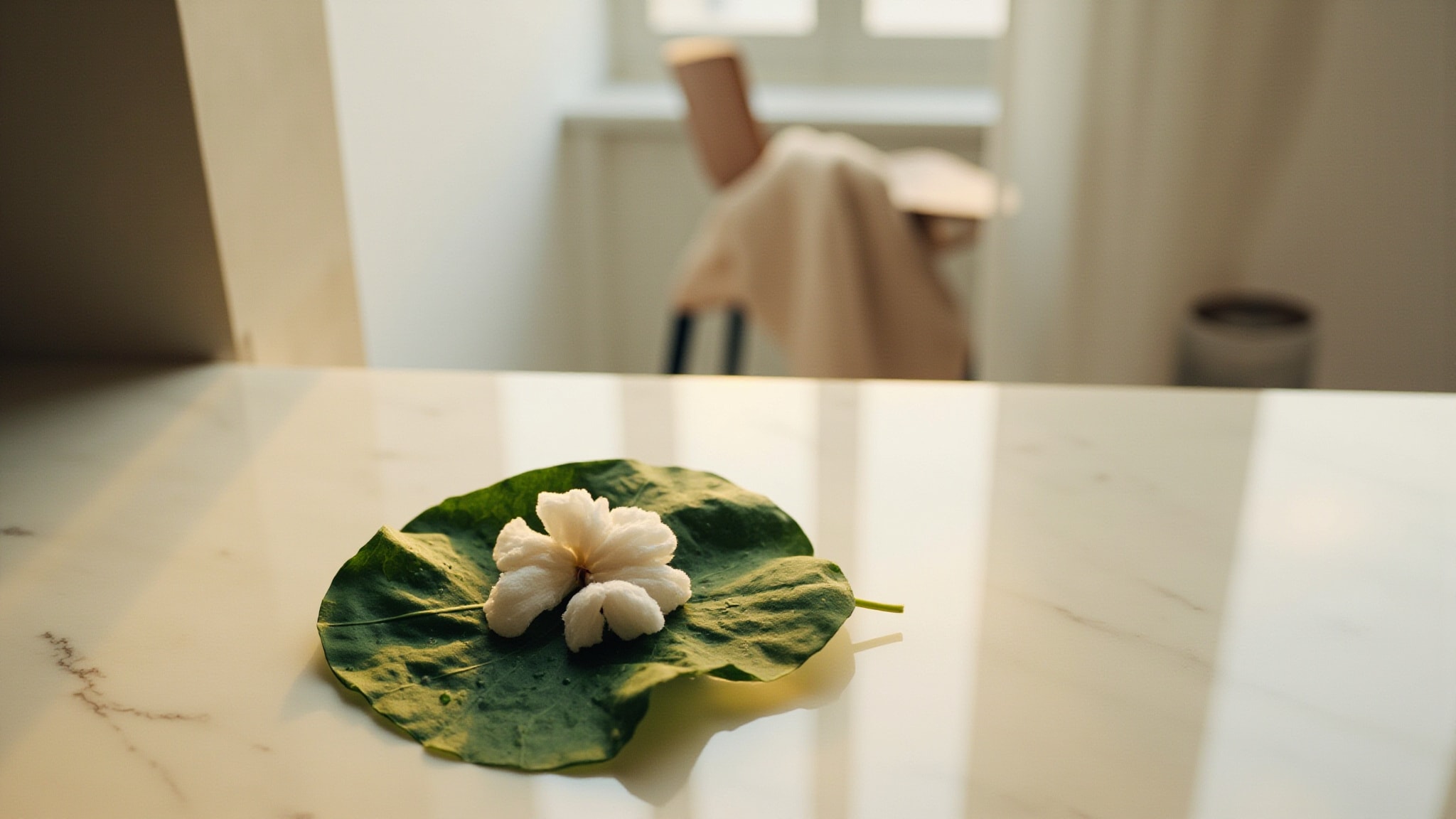
The composition reads like fabric and dampness caught in the same breath: cotton flower for the texture, blackcurrant leaf for the green snap at the hem, jasmine at the center the way light falls through a curtain, and white musk underneath holding everything together. Released by Culti Milano, the fragrance sits within a catalogue that approaches scent as an invisible interior material, something meant to shape atmosphere rather than announce itself. Acqua Tessuta takes that idea further, translating the tactile world into something wearable. Where most clean fragrances chase the shower-fresh fantasy, this one lingers closer to the surface of something already lived in.
Cotton flower leads the composition, and its role here is unusual for a fragrance opening. It brings a softness that's more textural than aromatic, less a recognizable plant smell and more an impression of something gentle pressed against the skin. There's a faint vegetal warmth to it that reads as natural fibers rather than any single botanical. Paired with blackcurrant leaf, the cotton gains a green, slightly bitter edge that keeps the whole from drifting into pure abstraction.
The evolution
The first thirty minutes are all green and fabric. Blackcurrant leaf gives the cotton flower a crisp, just-walked-through-grass quality, light enough that the fragrance reads more like atmosphere than applied scent. There's a coolness to it, almost aqueous, a quality that suits the watery suggestion in its name. An hour in, the jasmine begins to surface. It's a quiet arrival, not the dramatic bloom you'd find in a soliflore. The white floral warms the composition just enough to shift it from fresh to soft. The green recedes but doesn't vanish entirely, sitting underneath like the memory of a walk through a garden after rain. By the third hour, white musk takes command. The musk settles into a close, almost second-skin warmth that becomes the dominant register for the remainder of the wear.
Cultural impact
Acqua Tessuta appeals to wearers who want freshness without clinical sharpness, and who prefer their scents to feel tactile rather than abstract. The composition speaks to people drawn to the idea of fragrance as atmosphere, something that shapes a room or a mood as much as it scents the skin. The cotton flower note is what sets it apart from cleaner, more conventional fragrances in a similar register. Rather than the cold sparkle of aldehydes or the obvious sweetness of traditional white florals, it offers something softer, more domestic, almost the olfactory equivalent of a well-worn linen sheet or a cotton curtain catching afternoon light.