The Story
Why it exists.
The beginning
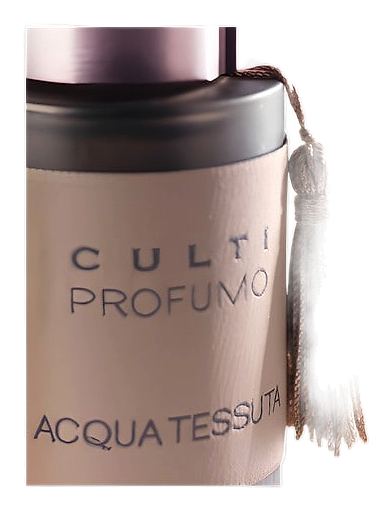
Byres arrived in 2018 as part of Culti's Texturae collection. The fragrance was shaped around the image of a Mediterranean garden, the kind of place where the air carries a clear citrus warmth without the heaviness of sweetness. Alessandro Agrati, described as the nose behind the composition, worked within a brief that asked for clarity held at arm's length. Nothing dense, nothing muddled. The composition stays close to that idea, letting the notes speak in a register that is light, sunlit, and architectural without ever leaning into the ornamental. The collection itself positions scent as something to be lived with, a quiet presence in the room rather than a declaration.
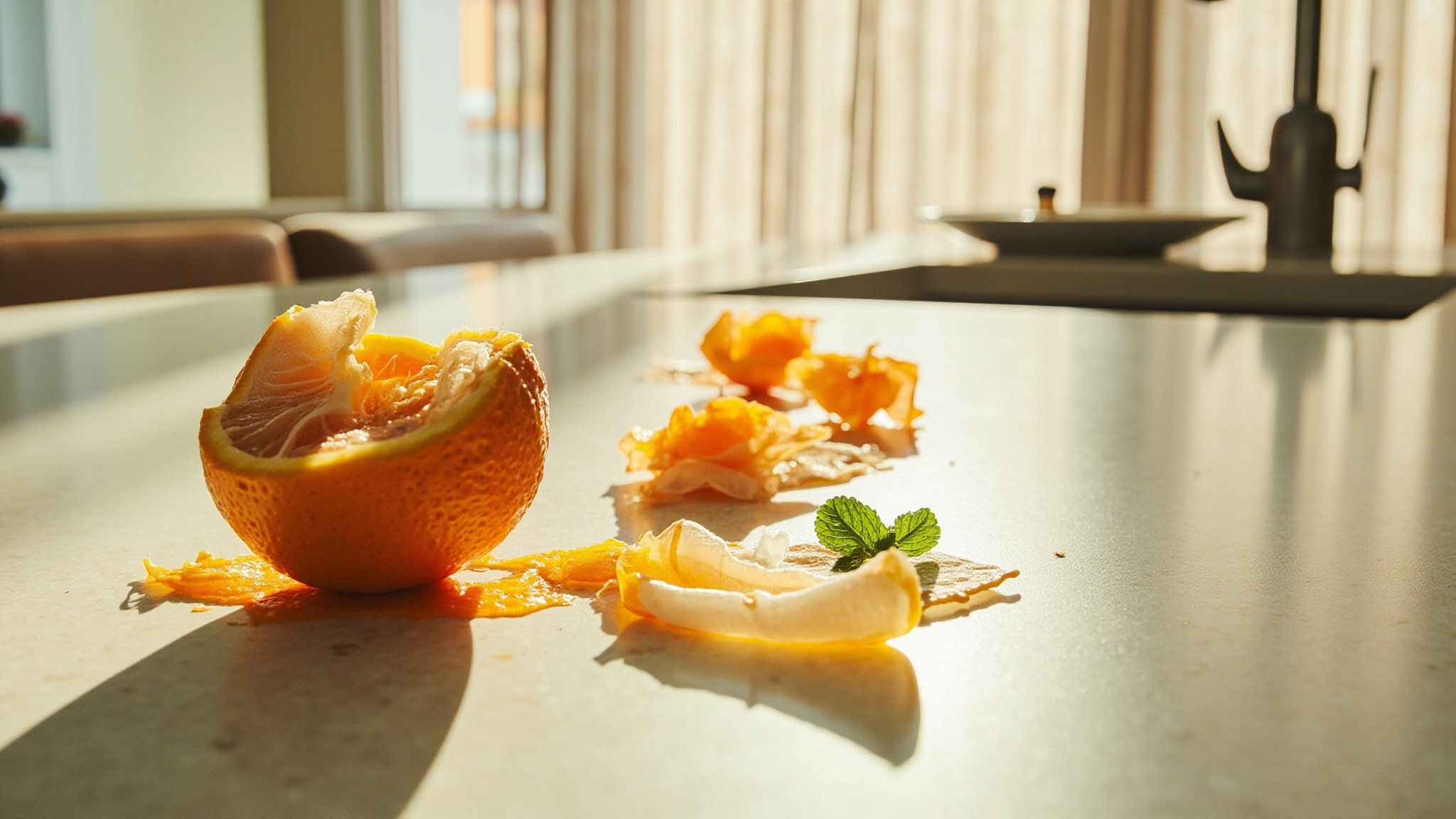
What makes the composition unusual is its restraint. Byres stays narrow on purpose, refusing the temptation to layer. Orange and tangerine do the sunlit work, while mint and patchouli pull in the herbal and the earthen at the same time. The patchouli here is light-footed rather than resinous, used as a cool undertow instead of a dominant base. There is a precision to the way the notes are held in relation to one another, each one given just enough room to register without crowding the others. The result feels composed, deliberate, closer to a line drawing than a fully painted canvas.
The evolution
The opening arrives bright and almost fizzy, orange and tangerine splitting the air with a sweetness that leans closer to zest than pulp. Mint threads through within the first few minutes, cooling the citrus into something that reads as both warm and fresh at once. There is no dramatic handoff into the heart, because the structure is deliberately flat. By the second hour, the orange has softened into something rounder, almost candied, and the mint sharpens slightly to compensate. Patchouli surfaces in the third or fourth hour as a dry, slightly bitter earthiness that sits under the citrus instead of replacing it. The surprising detail is that the patchouli never overwhelms; it functions as a shadow, the cool mineral ground under a garden path. As the hours pass, the citrus slowly recedes while the mint-patchouli chord grows more present, holding its shape with a quiet persistence.
Cultural impact
Byres sits in a particular corner of the citrus category, the one defined by freshness without weight. It reads less like a fragrance built for projection and more like an atmospheric choice, something that settles into a room or a wardrobe with quiet confidence. The composition appeals to those who prefer their scent to whisper rather than announce itself, and it works as easily in a domestic interior as it does on the skin. There is a sense in which Byres belongs to a broader movement toward lighter, more transparent compositions, the kind of fragrances that feel like a choice in lifestyle as much as in perfumery.
The House
CultiCulti Milano crafts scented experiences that bridge interior design and perfumery. Founded in Milan in 1990, the label translates the language of space into glass flacons and wooden stick diffusers that fill rooms with nuanced aromas. Its catalogue spans home fragrances, personal care and limited‑edition scents, each anchored in an Italian tradition of material quality and visual refinement.
The Creator
Alessandro AgratiAlessandro Agrati’s signature technique blends architectural thinking with olfactory composition. He builds a scent in layers, starting with a structural base of woods or resins, then adds a mid‑range of florals or spices, and finishes with a fleeting top that mirrors the firs…