The Story
Why it exists.
The beginning
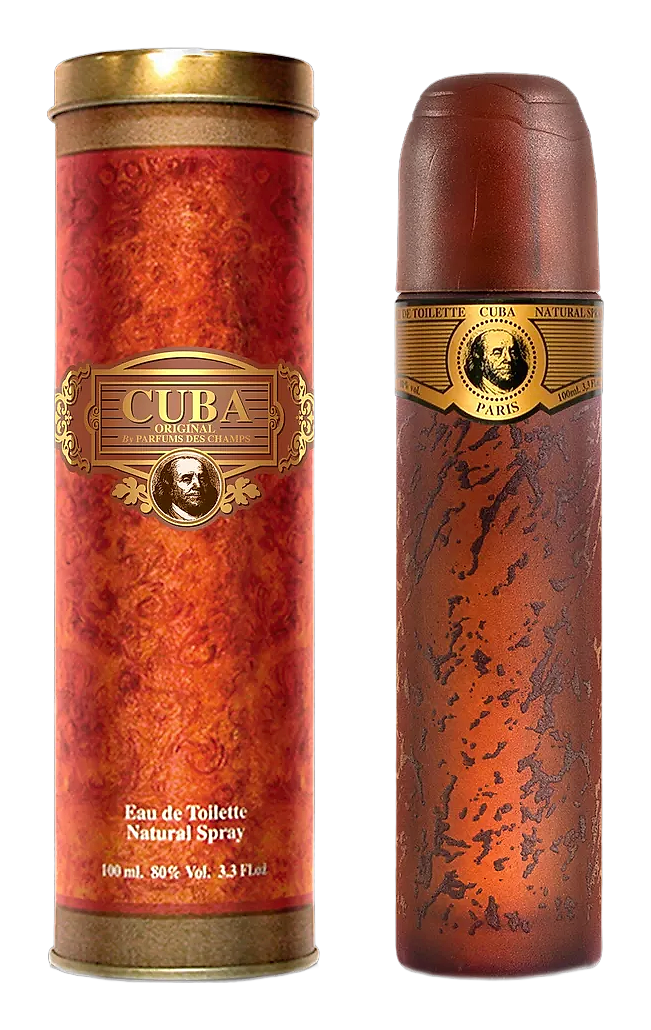
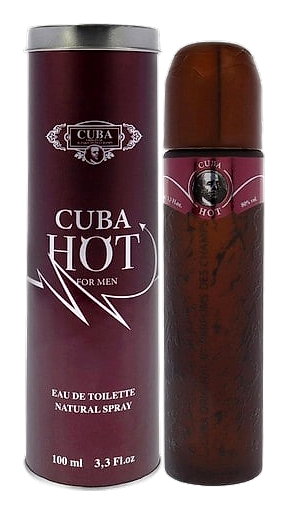
Cuba Hot sits inside the Cuba Paris catalog, a line that has been building warm, accessible fragrances with a distinctly hedonistic streak. The bottles are bright, the names are direct, and the juice is designed to be smelled before it is analyzed. The house has never aimed for quiet, and Cuba Hot leans into the gourmand side of that world, the one where sweetness isn't an afterthought but the whole point. It is a fragrance that knows what it wants to be and commits to the bit from the first spray. There is no pretense of subtlety here, no attempt to pass itself off as something cerebral or avant-garde. It is confident, unapologetic, and built to be enjoyed rather than decoded.
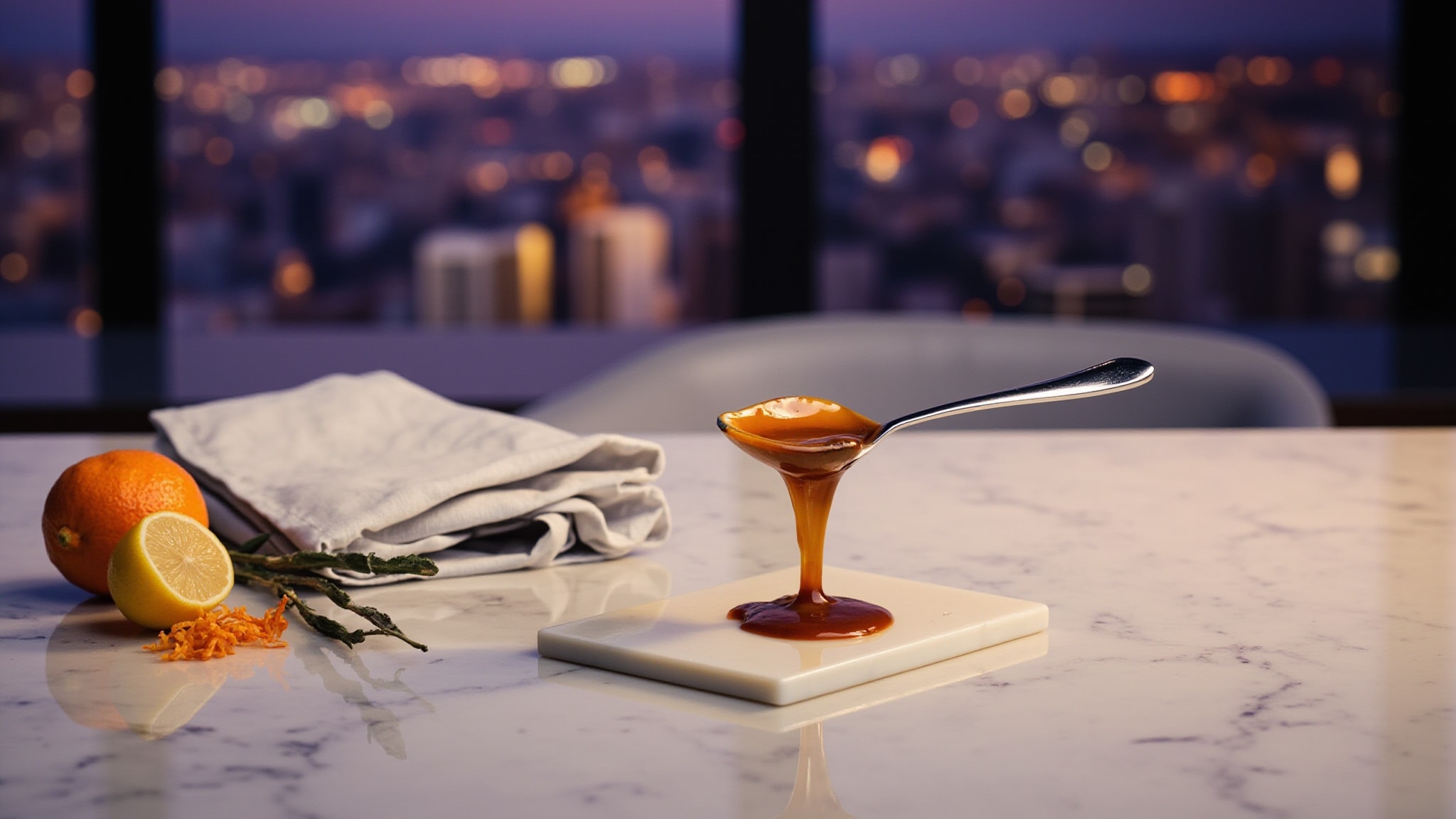
What makes Cuba Hot interesting is how the gourmand center holds against a clean citrus-and-sage opening. The clary sage, bergamot, mandarin, and lemon set up a sharp, almost cologne-like first impression that makes the caramel landing feel like a reveal rather than a given. That initial brightness does real work; it earns the sweetness by making you wait for it, building a little tension before the warmth takes over.
The evolution
The first ten minutes are almost a different fragrance. Bright citrus hits fast, with clary sage threading through it like herbal smoke, giving the opening a cologne-like crispness that catches you off guard for something called Hot. Then the caramel arrives, and the whole composition pivots. By the thirty-minute mark, the citrus has softened into a supporting role and the tonka bean and caramel have taken over the heart, warm, sticky, almost edible, like burnt sugar cooling in a pan. The sweetness plateaus for the next several hours, held down by patchouli and vetiver that keep it from going flat. That middle stretch is where Cuba Hot lives most comfortably, the point where the caramel and the herbal base find their equilibrium and the fragrance just hums along without demanding attention.
Cultural impact
A few reviews note similarities between Cuba Hot and Jean Paul Gaultier's Scandal Pour Homme, pointing to the shared caramel sweetness and warm, dense character that both compositions deliver. That comparison offers a useful reference point for anyone familiar with the Gaultier original, suggesting a similar profile at a very different price. The fragrance has attracted a particular kind of wearer: someone who values the experience of smelling good over the performance of wearing something rare.