
The Story
Why it exists.
The beginning
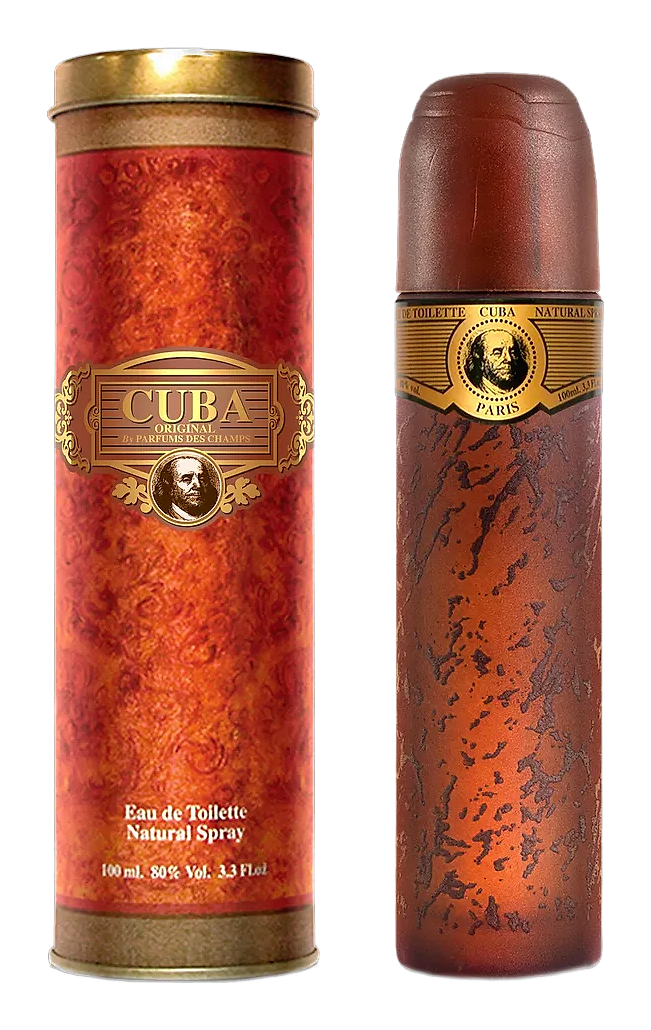
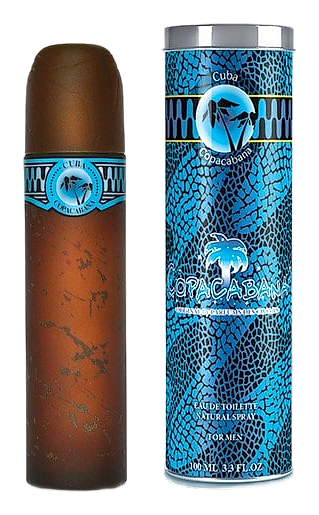
Copacabana is not subtle. Neither is this fragrance. Named for Rio's most legendary stretch of sand, Cuba Copacabana for Men channels the energy of a beach where the sun sets hot and the night belongs to whoever walks in last. The Cuba Paris line has always drawn from Latin American sensuality, tobacco, rum, tropical florals, but this one reaches across the continent, past Havana, to the heat of Brazil's most iconic shore. The brief was simple: capture what it smells like when the sand still holds the day's warmth and the air starts to shift toward something more intimate.
The note structure is where it gets interesting. Five citrus materials in the top, bergamot, lime, lemon blossom, lemon, geranium, could easily overwhelm each other, creating a blur instead of a bright. Instead, the lavender acts as a stabilizer, pulling the citrus into an aromatic coherence rather than letting it scatter. The heart pairs rose with ylang-ylang, two florals that don't typically share space, and cloves adds a warmth that keeps the florals from reading too delicate. It's a composition that earns its fougere classification, the lavender isn't decorative, it's structural.
The evolution
The opening is immediate: bergamot and lime arrive together, sharp and clean, then the lavender softens everything within the first five minutes. By the time you hit the 15-minute mark, the rose and ylang-ylang are already moving in, warmer, slightly sweet, but grounded by the cedar underneath. The drydown is where this fragrance earns its name. Amber and incense settle close to the skin, the musk and oakmoss keeping everything intimate rather than projecting. On most skin types, expect 4-6 hours of presence, moderate sillage, meaning people beside you will catch it, not the whole room. The next morning, there's a faint warmth on skin that suggests the evening didn't end early.
Cultural impact
Cuba Copacabana for Men arrived during the mid-1990s surge of accessible designer fragrances, offering a bold aromatic fougere at a price point that democratized complex scent profiles. Its enduring nearly three-decade presence in the Cuba Paris lineup speaks to its resonance with consumers seeking assertive masculinity without pretension. The fragrance's citrus-lavender-amber structure reflects an era when men's fragrances favored clarity and directness over the more diffuse compositions that would dominate the 2000s. This scent occupies a specific cultural moment: post-grunge, pre-digital fragrance culture when scent communities formed through print magazines and word-of-mouth rather than algorithm-driven recommendations. Its longevity suggests it filled a genuine gap for men wanting presence without aggression.