The Story
Why it exists.
The beginning
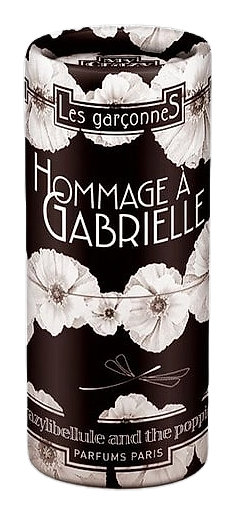
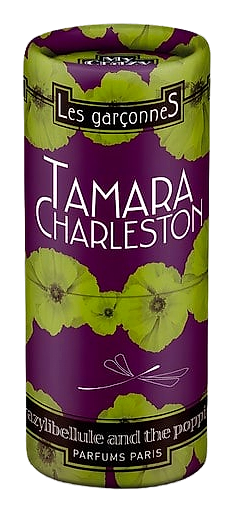
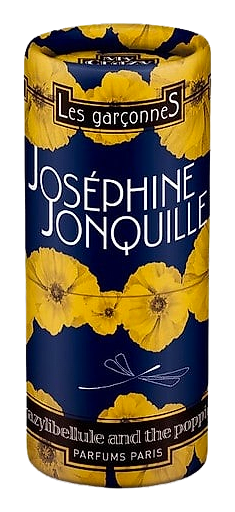
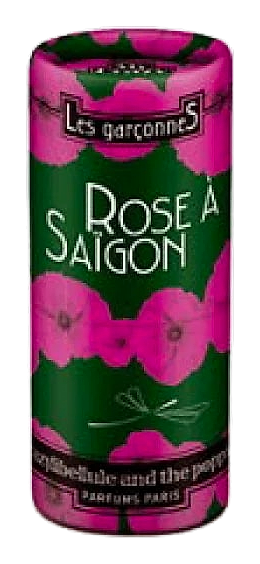
Rose à Saigon is the kind of name that pulls you in before you've smelled a thing. Crazylibellule and the Poppies released it as part of the Les Garçonnes collection, a series that, true to its name, was built for a wearer with opinions and a willingness to be noticed. Independent perfumer Olivia Jan composed the formula, and the choice of materials is distinctive. The rose here is a Tincture of Rose, a darker, more resinous extraction than the usual rose absolute, and it gives the composition an immediate weight that lighter rose compositions don't always achieve. Tincture of Rose sits alongside notes of mango, passion fruit, guaiac wood, vetiver, patchouli, jasmine, and ylang-ylang.
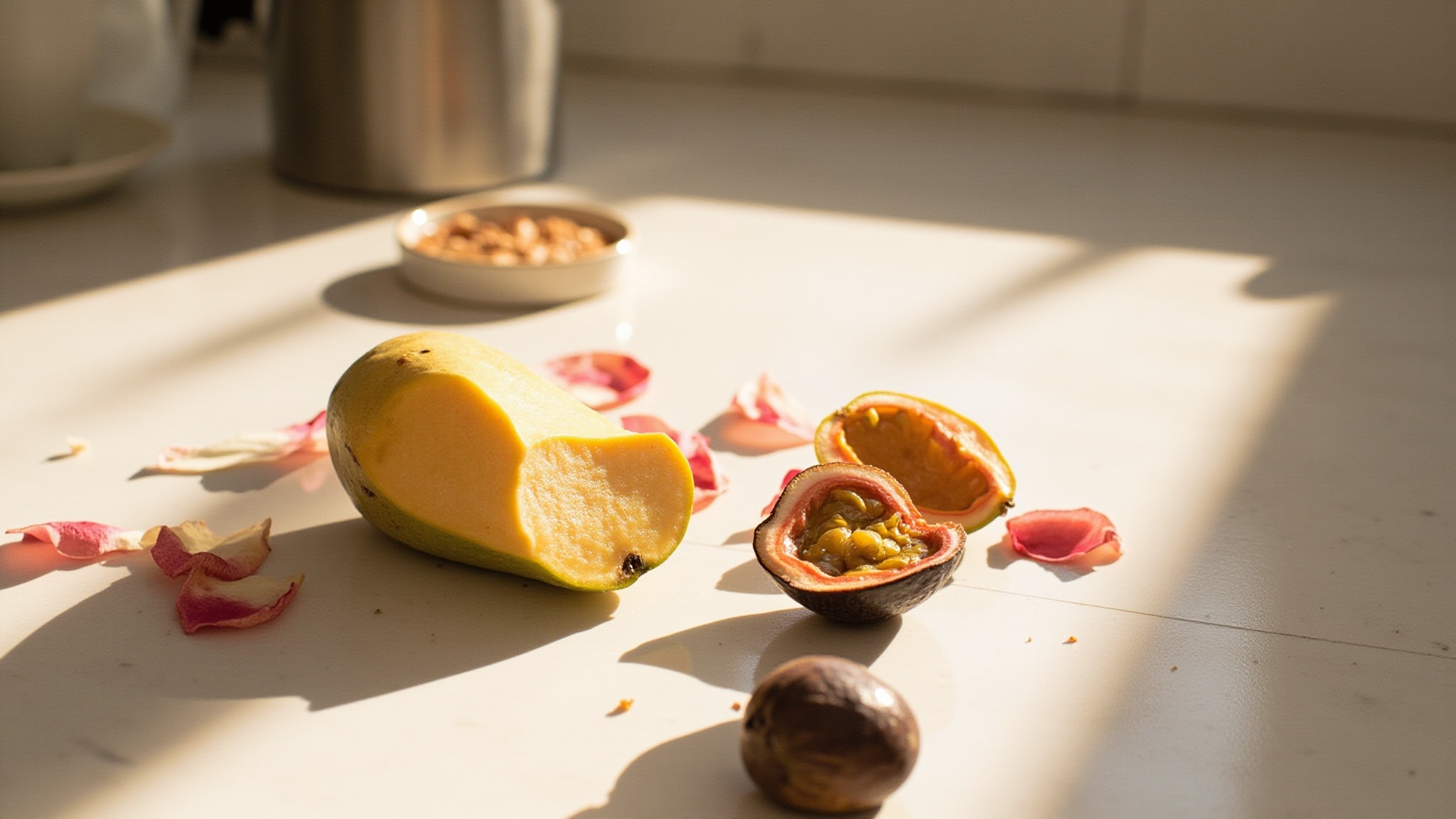
Rose à Saigon does something most rose fragrances don't bother attempting. It pairs rose with mango and passion fruit, and those tropical notes give the composition a sweetness that reads as ripe, almost confectionary in the opening moments. The rose and fruit together create something richer than either could manage alone, a lushness that pushes past the usual boundaries of floral perfumery. Underneath that fruit-forward sweetness, guaiac wood provides a structural warmth, a woody depth that prevents the composition from tipping into simple sweetness.
The evolution
The opening arrives with intention. Mango and passion fruit hit first, sugary and tropical, with the tincture of rose sitting underneath like a color bleeding through wet fabric. For the first ten or fifteen minutes, the sweetness is the loudest voice in the room, and it's easy to read the composition as a straightforward fruity floral. Then the shift begins. Guaiac wood rises into the foreground, bringing a warmth that's distinctly woody, and the patchouli underneath starts pulling the sweetness downward, anchoring it. Vetiver adds a green, slightly bitter edge that cuts cleanly through the fruit, introducing a vegetal sharpness that wasn't apparent in the opening. By the hour mark, the composition has shifted character entirely. The sweet fruit has receded enough to let the deeper materials take over. The rose no longer reads as a fresh bloom.
Cultural impact
Rose à Saigon has a character that separates it from the usual rose offerings on the market. The combination of rose with mango and passion fruit is uncommon enough to make it memorable, and the structural work done by guaiac wood, vetiver, and patchouli gives the composition a backbone that many rose fragrances lack. The deeper notes aren't decorative afterthoughts. They do real work, shaping how the rose reads from the opening through to the drydown. Rose à Saigon is apparently discontinued, which gives it the particular appeal of a composition that can't easily be restocked.