The Story
Why it exists.
The beginning
In 2010, perfumer Sylvie Jourdet crafted this fragrance under the direction of Gérald Ghislain for Histoires de Parfums, the house he founded after training at ISIPCA and applying his background as a chef to the art of balance in perfumery. The commission was specific: capture the spirit of the Moulin Rouge, the legendary cabaret that opened in Montmartre in 1889 and has since represented Parisian fantasy, nightlife, and theatrical excess. Ghislain's library approach to fragrance means each scent tells a story, and this chapter required capturing both the glamour and the grit of a venue where feathered costumes and electric anticipation coexist.
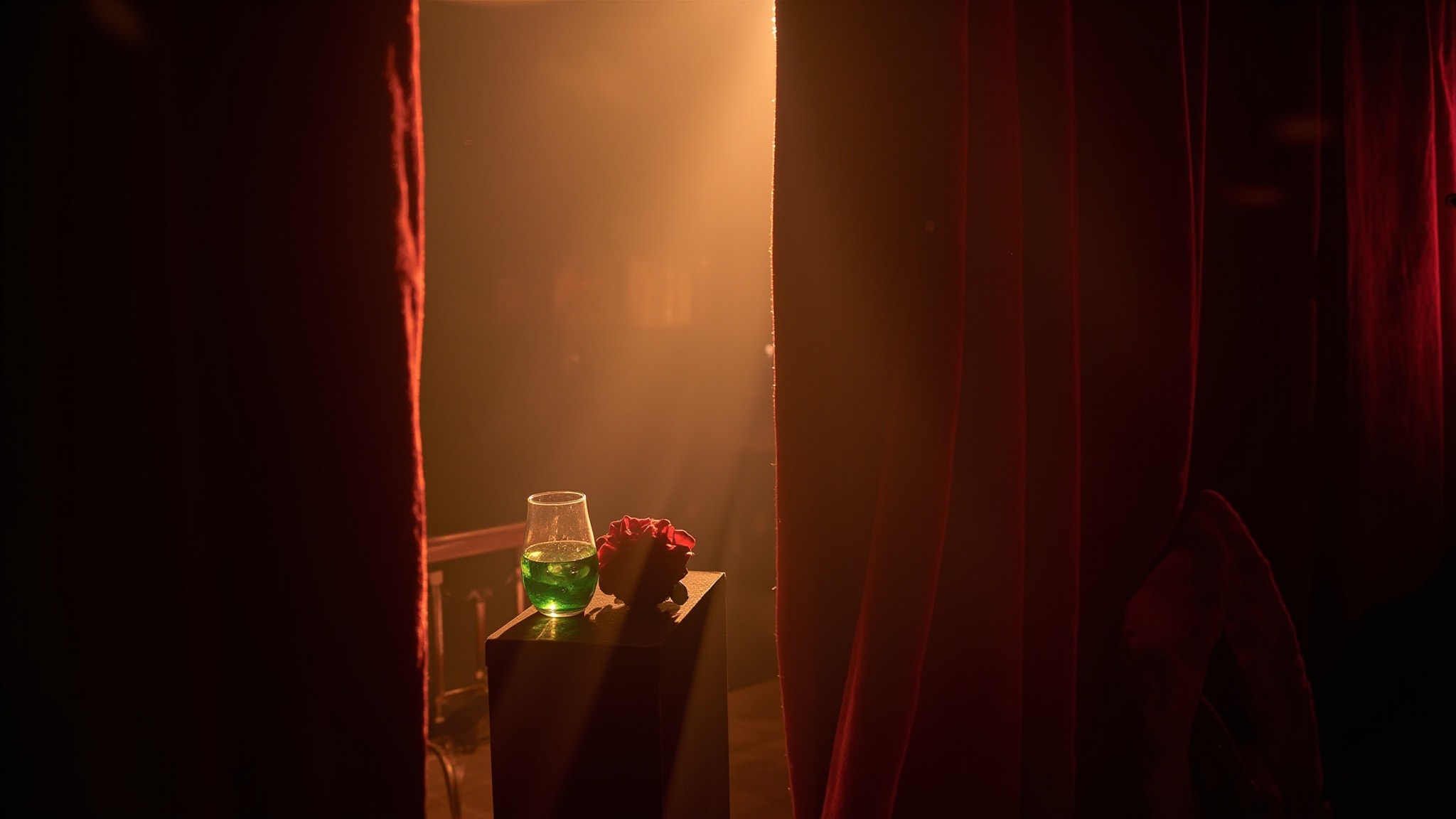
The note selection reflects the ingredients most associated with late 19th-century Parisian nightlife. Absinthe, the green fairy banned in 1915, captures the era's hedonistic edge. Plum and cinnamon evoke the sweet and spicy liqueurs served in such establishments. Iris and musk suggest the powder and perfume of the courtesans and performers who populated such venues. Patchouli brings the earthy reality of Montmartre, the working-class neighborhood that housed this palace of dreams. The result is a fragrance that honors its source material through olfactory history.
The evolution
The fragrance moves from the electric energy of opening night to the quieter intimacy of the small hours. Plum and mandarin orange create that initial buzz, the anticipation before the curtain rises. The heart represents the performance itself, absinthe and rose delivering drama and passion in equal measure. The drydown mirrors the exhaustion and satisfaction after the final curtain, iris providing elegance while fur and musk suggest closeness, and patchouli bringing the grounded reality of a Montmartre evening.
Cultural impact
The absinth edge sets 1889 Moulin Rouge apart from gentler iris scents, giving it a more theatrical quality that some find deeply seductive and others find slightly too medicinal. The green artemisia note prevents the composition from becoming merely sweet, adding a bitter-herbaceous dimension that gives the fragrance its distinctive edge. What wearers consistently find is that the drydown is worth the journey, that iris-powder softness arriving as a reward for patience. The artemisia is what keeps this from being just another powdery floral, the green quality threading through the florals like a ribbon of absinthe.