Fur
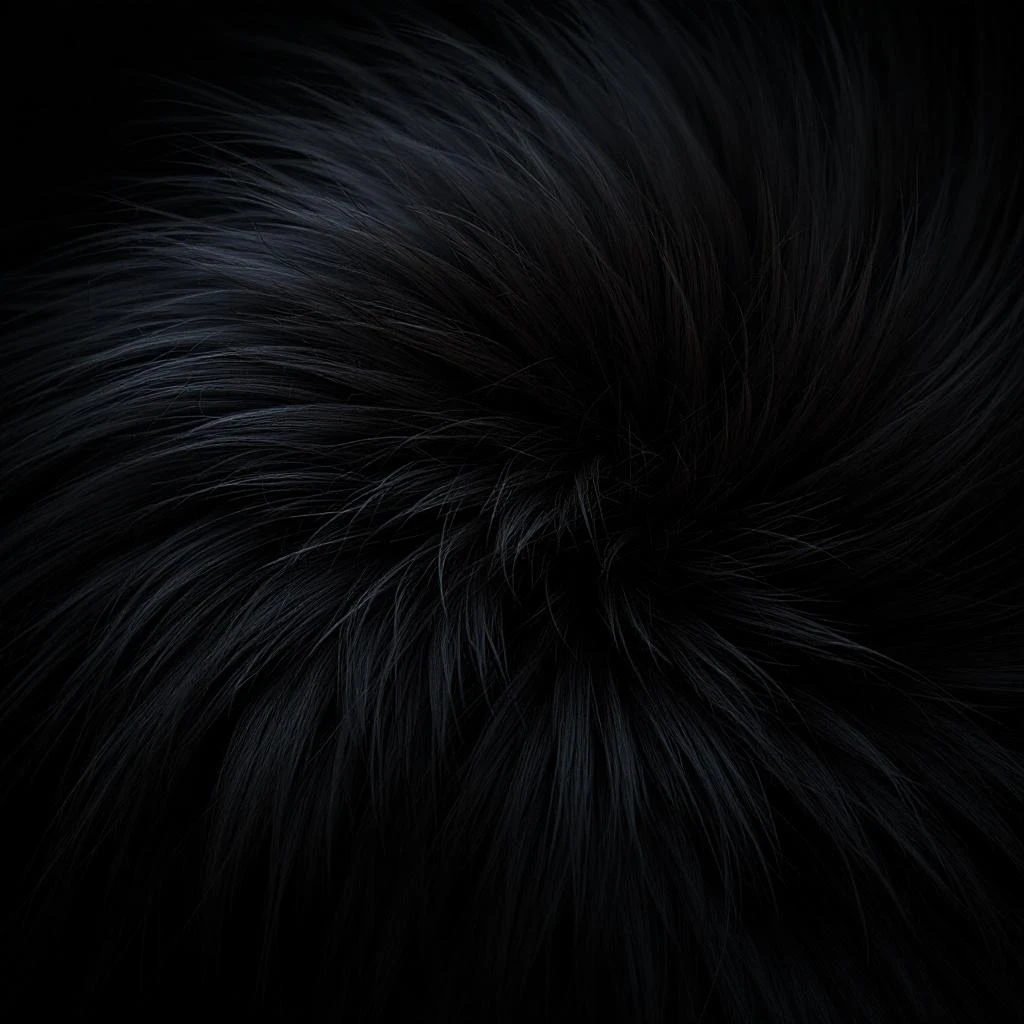
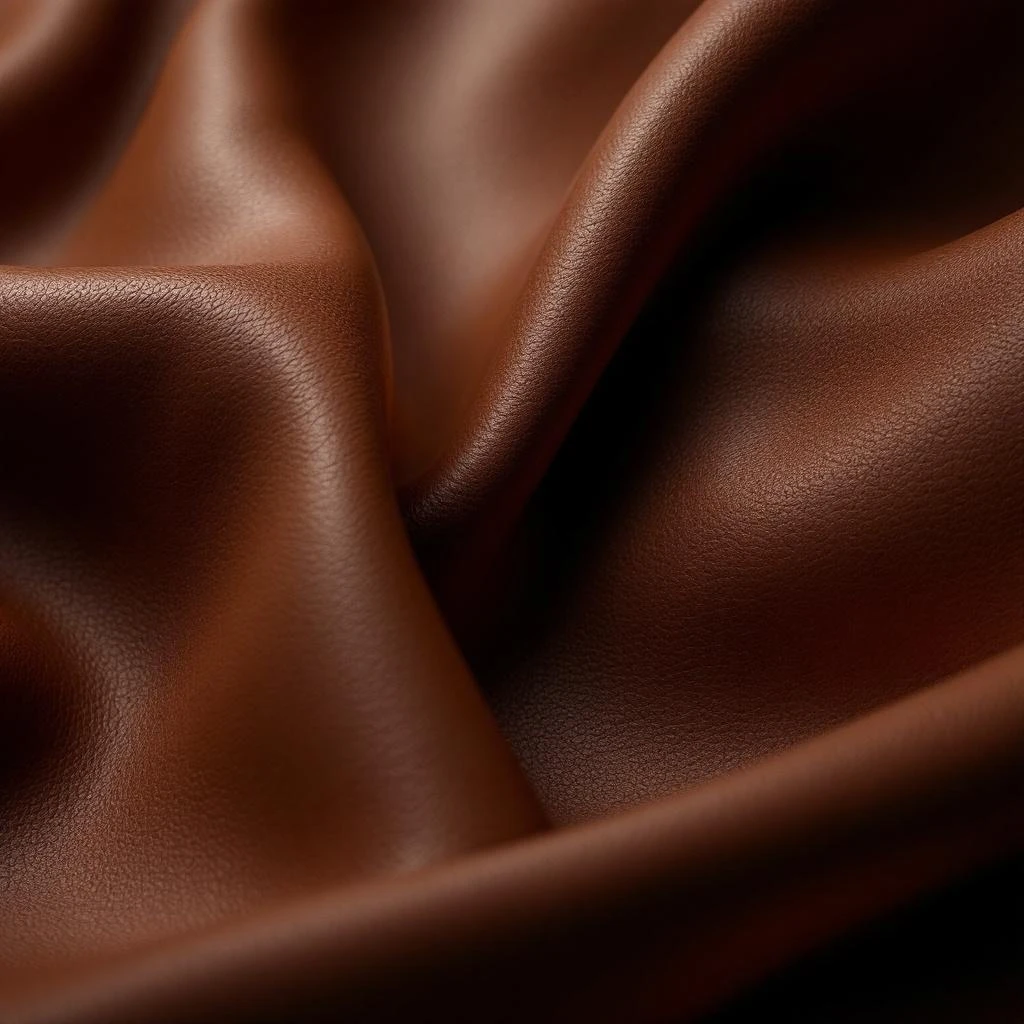
Fur captures the raw, animalic pulse of the wild, delivering a warm, musky depth that anchors modern compositions. Its tactile aroma recalls the scent of fresh hide, adding texture and intrigue to the perfume palette.
Character
How it smells
Raw animalic warmth in a single note.
The first synthetic fur accord appeared in the 1950s, allowing perfumers to replicate the scent of animal hide without harming wildlife.





Origin
France
Fur notes have traced a winding path from ancient ritual to contemporary runway. Early civilizations of Mesopotamia and Egypt prized animal skins not only for clothing but also for their scent, using smoked hide to mask odors in temples. By the 17th century, European apothecaries imported castoreum and civet as exotic luxuries, advertising them as symbols of status.
The 19th‑century rise of synthetic chemistry shifted the balance; chemists at J. S. Fischer introduced the first lab‑made musk in 1888, opening the door to animalic replication.
In the 1950s, French perfumers unveiled the first synthetic fur accord, a breakthrough that satisfied both creative ambition and growing animal‑rights concerns. Today, fur remains a cornerstone of oriental and woody compositions, its presence a nod to the primal connection between scent and the animal world. The note’s endurance reflects a cultural fascination with the raw, untamed aspects of nature, even as the industry moves toward cruelty‑free alternatives.
Wears it best
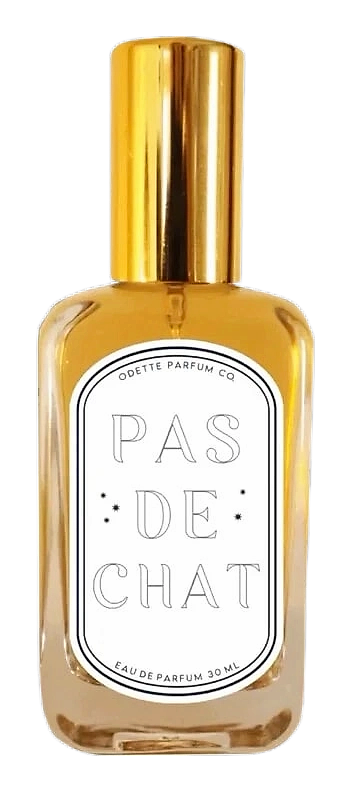
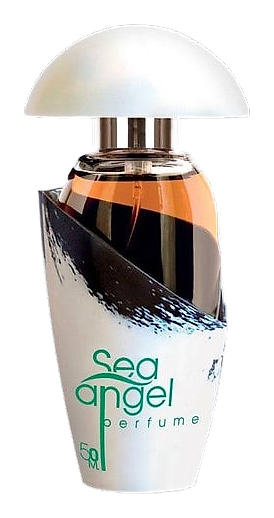
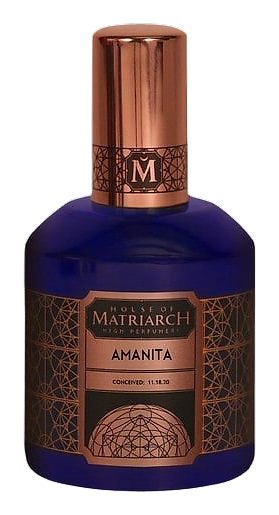
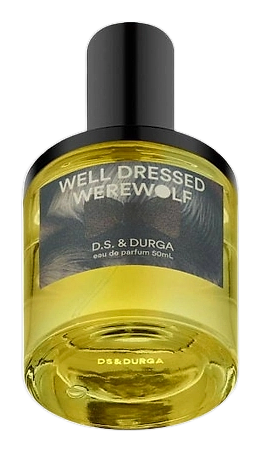
Fragrances featuring Fur
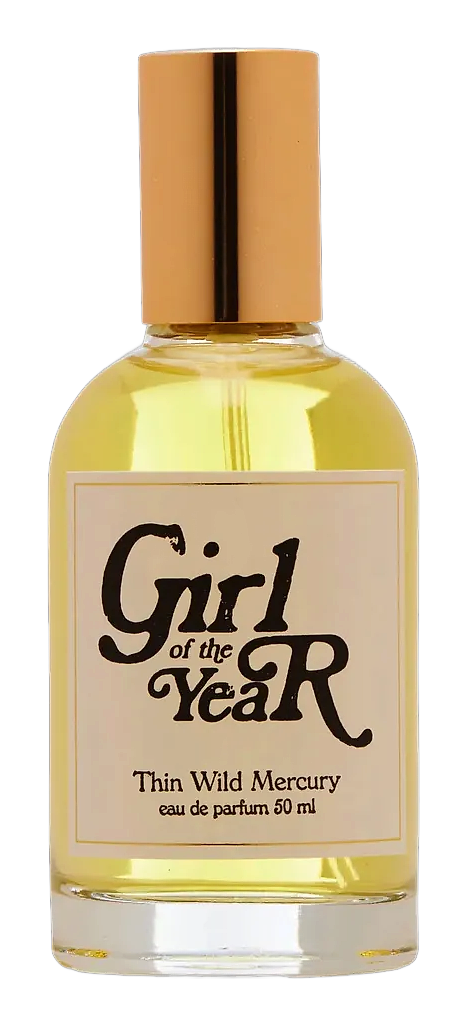
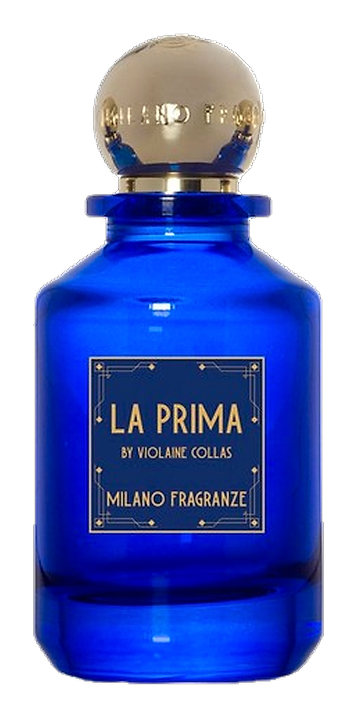
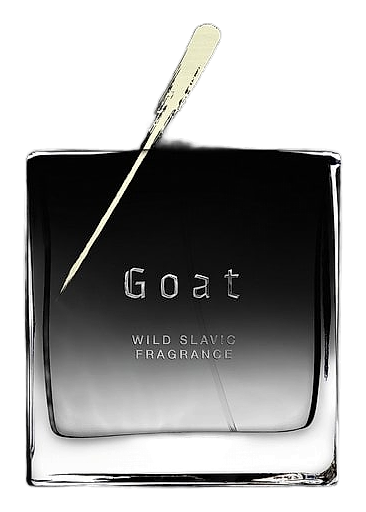
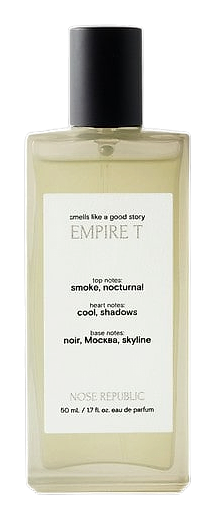
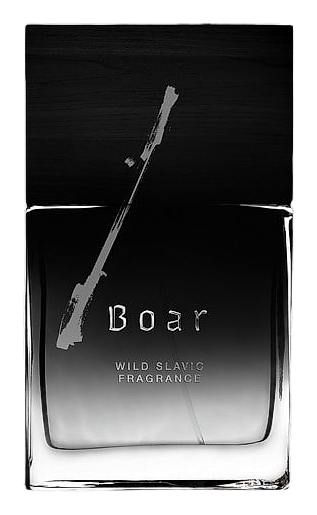
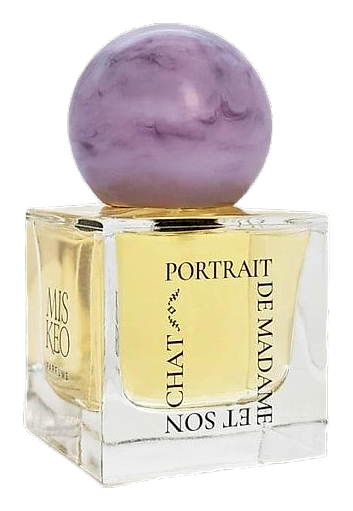
Brands
Brands known for Fur
Good to know
Questions, answered
The essentials on Fur in perfumery: how it smells, where it comes from, and how it behaves on skin.
What does the fur note smell like?
Fur presents a warm, animalic aroma that reads like fresh hide mixed with subtle musk. The scent registers as a soft, slightly sweet earthiness, reminiscent of a newly tanned leather. A 2021 sensory panel measured its intensity at 6.3 on a 10‑point animalic scale.
Is fur used in natural perfumery or only synthetically?
Fur appears in both natural extracts and synthetic accords. Traditional perfumery sourced animal secretions such as castoreum and civet; modern houses rely on lab‑crafted molecules that mimic the same profile. In 2020, synthetic fur accords accounted for 78 % of all animalic ingredients reported in major fragrance launches.
How is the fur note created today?
Today perfumers blend synthetic aromachemicals like muscone, civetone, and castoreum analogues to build a fur accord. They dissolve the molecules in ethanol, then age the mixture for several weeks to allow integration. The process follows a 2022 industry guideline that recommends a minimum 30‑day maturation period.
Are there ethical concerns with fur ingredients?
Ethical concerns focus on animal welfare and sustainability. Natural fur ingredients require harvesting from live animals, which can cause distress; many brands have shifted to synthetics to avoid this. A 2019 survey found that 64 % of consumers prefer fragrances that do not contain animal‑derived fur notes.
Which fragrance families commonly include fur?
Fur often anchors oriental, woody, and chypre families, adding depth to their base layers. It balances bright citrus or floral top notes with a grounding animalic finish. In 2018, the top ten best‑selling oriental perfumes each listed a fur component in their formula sheets.
How long does a fur note last on skin?
Fur persists longest among base notes, typically lasting six to eight hours on skin. Its low volatility keeps the scent anchored as lighter notes evaporate. A 2021 wear test recorded an average dry‑down time of 7.2 hours for a fur‑rich composition.
Can fur trigger allergies?
Some individuals react to animalic compounds, experiencing skin irritation or sensitization. Patch‑test data from 2017 shows a 2.1 % incidence of allergic response to civet‑derived ingredients. Perfume formulators therefore limit concentration to below 0.5 % in most products.
How does fur interact with other notes?
Fur blends best with amber, sandalwood, and vanilla, which soften its edge while preserving depth. It can mute bright florals, creating a more rounded profile. A 2023 blending study reported a 15 % increase in perceived longevity when fur was paired with amber.