







Heritage
A house, in its own words
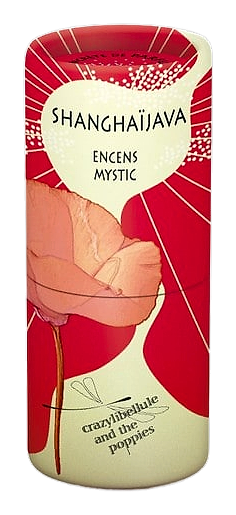
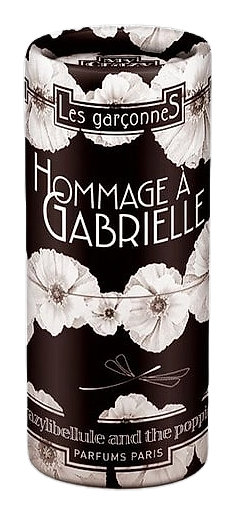
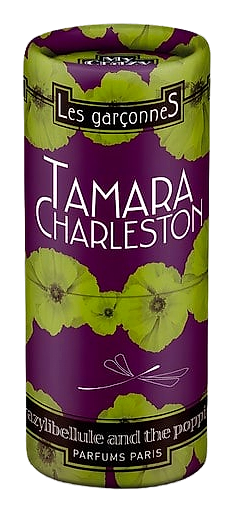
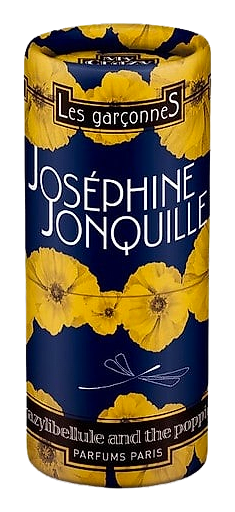
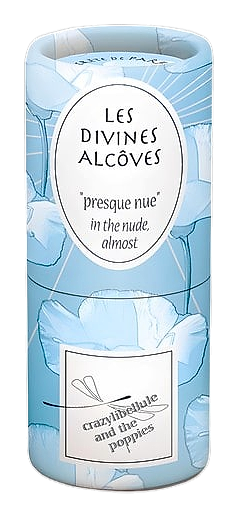
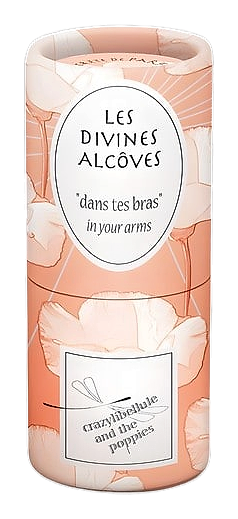
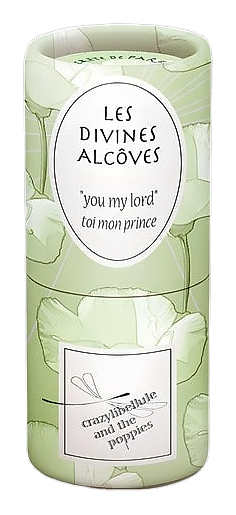
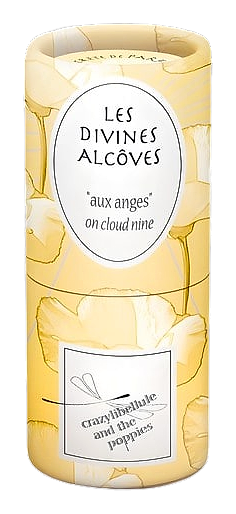
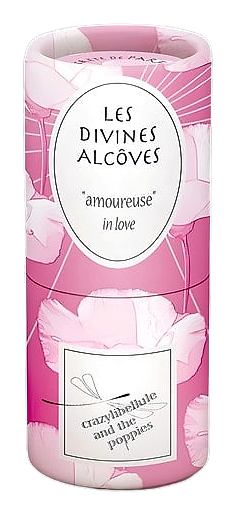
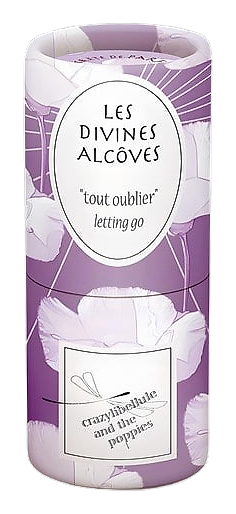
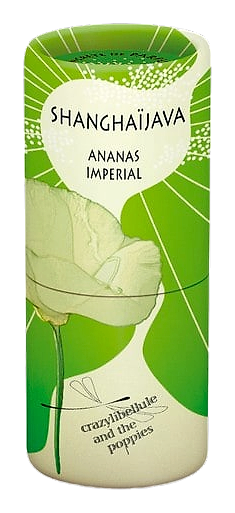
Isabelle Masson‑Mandonnaud launched Crazylibellule & The Poppies after helping build the first Sephora stores in the early 1970s. In 2005 she introduced the CrazySticks concept, a 5‑gram perfume stick that could be carried like a pen. The idea grew from her experience designing retail formats that encouraged discovery and sampling. Early sales relied on boutique partners in Paris and Lyon, where curious shoppers tried the sticks in small pop‑up stations. By 2008 the brand expanded its catalogue to include more than a dozen scents, each formulated by independent perfumers hired on a project basis. In 2010 the company released the Bâtons de Parfum, a 10‑gram version that doubled the size of the original sticks while retaining the same minimalist packaging. The Bâtons allowed the brand to explore richer compositions such as Les Divines Alcoves Amoureuse In Love. Throughout the 2010s the house maintained a three‑person core team, handling everything from sourcing raw materials to managing the e‑shop. In 2015 the brand celebrated its tenth anniversary with a limited‑edition re‑release of the original ShanghaiJava Encens Mystique, packaged in a hand‑stitched linen pouch. The following year the house introduced a refill program that let customers swap spent sticks for new fragrance cores, reinforcing its commitment to sustainability. Today Crazylibellule & The Poppies continues to operate from a modest atelier in the 11th arrondissement of Paris, where new scents are still tested on a small panel of fragrance enthusiasts before launch. The brand treats scent as a personal accessory rather than a statement piece. It believes that fragrance should adapt to the wearer’s mood and environment, which is why it favors the stick format that encourages frequent re‑application. Crazylibellule & The Poppies prioritises clarity of composition; each perfume highlights a single dominant note or a tightly knit duo, allowing the wearer to sense the evolution of the scent over time. The house values transparency in ingredient sourcing, preferring natural extracts when they meet the brand’s stability standards. It also embraces a modest production scale, arguing that a small team can maintain a direct line of communication with perfumers and suppliers. Sustainability informs the brand’s decisions, from recyclable aluminium caps to refillable cores that reduce waste. Rather than chasing trends, the house seeks moments of quiet pleasure, offering scents that can be discovered in a brief pause on a commute or a quiet moment at a café. This philosophy reflects Isabelle’s original retail vision: to make fragrance approachable, portable, and personal.