
The Story
Why it exists.
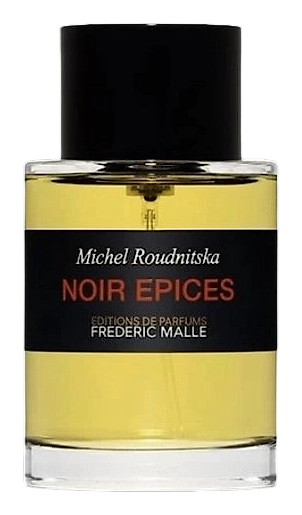
Michel Roudnitska worked with Frederic Malle using the house's established model: Malle provides the materials and the platform, and the perfumer brings the vision. Roudnitska built Noir Epices around spice as the dominant theme. Noir Epices translates to 'black spices,' and the name is honest: this is spice taken to its deepest register, where warmth becomes something weightier and the familiar turns strange. The orange appears in the top, a bright, clean entry point before the density arrives. Everything else serves the clove, the cinnamon, the heat that builds and stays. The composition does not hedge its bets. Spice here is not a supporting chord but the entire argument.
If this were a song
Community picks
The Beautiful Game
D'Angelo
The Beginning
Michel Roudnitska worked with Frederic Malle using the house's established model: Malle provides the materials and the platform, and the perfumer brings the vision. Roudnitska built Noir Epices around spice as the dominant theme. Noir Epices translates to 'black spices,' and the name is honest: this is spice taken to its deepest register, where warmth becomes something weightier and the familiar turns strange. The orange appears in the top, a bright, clean entry point before the density arrives. Everything else serves the clove, the cinnamon, the heat that builds and stays. The composition does not hedge its bets. Spice here is not a supporting chord but the entire argument.
Noir Epices refuses to soften at any point. The clove dose in the heart is substantial, enough that early reviewers described the middle phase as almost medicinal, metallic, like aldehydes cutting through the spice. The fragrance moves from brighter top notes to dense heart notes in a single arc. The sandalwood and patchouli in the base do not soften the spice, they ground it. The warmth continues, just closer to the skin, less about projection and more about presence.
The Evolution
The first thirty minutes are the test. Orange peel arrives clean and bright, undercut immediately by geranium's aromatic freshness and clove's sharp, almost phenolic edge. Nutmeg adds a dusty, warm undertone from the start. This is not a gentle opening, it is a negotiation between cool and warm that resolves quickly in spice's favor. By the second hour, the cloves have fully committed. Cinnamon and black pepper layer on top of the clove warmth, and the geranium has retreated into something more mineral than floral. The aldehydic sharpness that some wearers notice in the opening has settled, or you have simply stopped noticing it. The drydown arrives eventually. Sandalwood enters smoothly, bringing its creamy, almost lactonic warmth to the base of the composition.
Cultural Impact
Noir Epices belongs to the first wave of Malle releases, fragrances that defined what the house stood for before the catalog grew familiar. It remains one of the spiciest compositions in the Malle line, equally uncompromising in its vision as the house's more famous releases. The clove-and-orange structure is unusual enough that it functions as a statement, spice as conviction rather than decoration. This is not a fragrance that performs. It simply is. The composition makes no apologies for its intensity, and those who connect with it tend to find something in its unwavering character that lingers well past the initial spray.
The House
France · Est. 2000
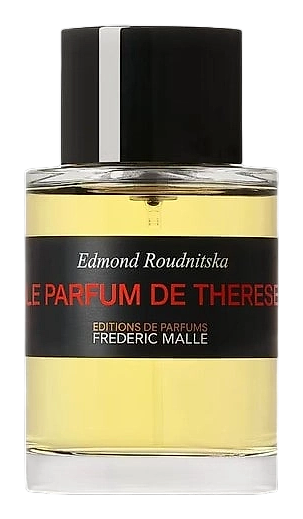
Editions de Parfums Frédéric Malle is a Paris-based fragrance house founded in 2000 by the man the industry calls the 'editeur de parfums.' Malle reversed the industry's hierarchy entirely. Instead of marketing departments steering perfumers toward safe, focus-grouped formulas, he gave the world's greatest nose talents total creative freedom: no budgets, no deadlines, no constraints. In return, he asked only that they sign their work. The results are radical, emotionally complex perfumes that refuse to be safe. The house operates like a literary press, except the medium is scent.
If this were a song
Community picks
Noir Epices sounds like a dimly lit room, late November, someone brought out a record player. Warm but not soft. Sharp edges softened by time. The track opens bright, piano, clean, and then the bass arrives and doesn't let go. It's jazz-adjacent: unhurried, confident, less interested in impressing you than in being itself. The drydown is the last track on the album, the one you leave on repeat while the room goes quiet.
The Beautiful Game
D'Angelo