
The Story
Why it exists.
The beginning
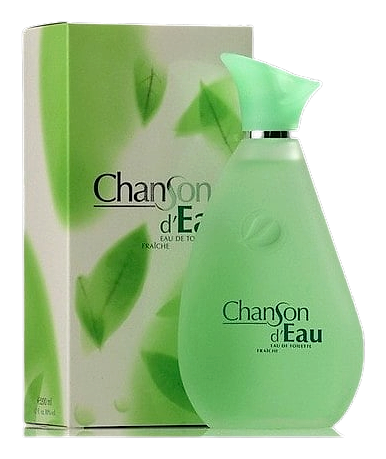
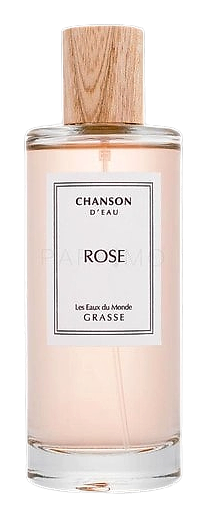
Chanson d'Eau means song of water. Rose is the subject. The name alone tells you this is about tension, water's cool clarity against a flower's warmth. The scent opens with lychee and citrus, a path that leads to a heart that refuses to be polite. What starts as something light and effervescent takes on presence, the rose insisting on being felt rather than merely acknowledged. It's not a passing nod to the note. It's a statement made with conviction. The composition builds from that initial brightness into something with more substance, the floral element claiming its territory without apology.
Rose fragrances live or die by their supporting cast. Too much musk and the rose turns sweet. Too much patchouli and it leans old. Chanson d'Eau Rose uses magnolia and orange blossom to build body around the rose, letting it remain at the center without feeling crowded or overwhelmed. There's a quality to the way these elements interact that keeps the fragrance grounded rather than floating away into abstraction. The moss in the base gives the scent its quiet backbone. It's not a frivolous rose. It has direction.
The evolution
The citrus hits first, grapefruit, lychee, bergamot. A quick sparkle. Grapefruit fades fast, but lychee lingers, adding a tropical sweetness that shifts the energy. Then the rose takes its place at the center. Jasmine and magnolia deepen the heart until it feels lush, almost opulent. Sandalwood and amber warm the base as the florals settle. The moss adds its signature depth, creating a foundation that grounds the composition. There's a progression here, from bright opening to richer middle to grounded finish, each stage distinct yet connected to what came before.
Cultural impact
Rose remains one of the most important materials in perfumery, a note with deep roots and wide appeal. Chanson d'Eau Rose offers a particular take on this classic ingredient, using lychee and citrus to create an opening that feels current while the rose heart provides the traditional floral anchor. The combination speaks to both those who appreciate classical fragrance construction and those drawn to more contemporary arrangements. It's a scent that navigates between familiar and fresh, appealing to different sensibilities without fully committing to either extreme.