The Story
Why it exists.
The beginning
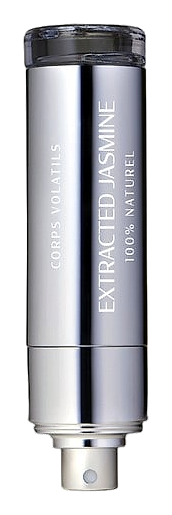
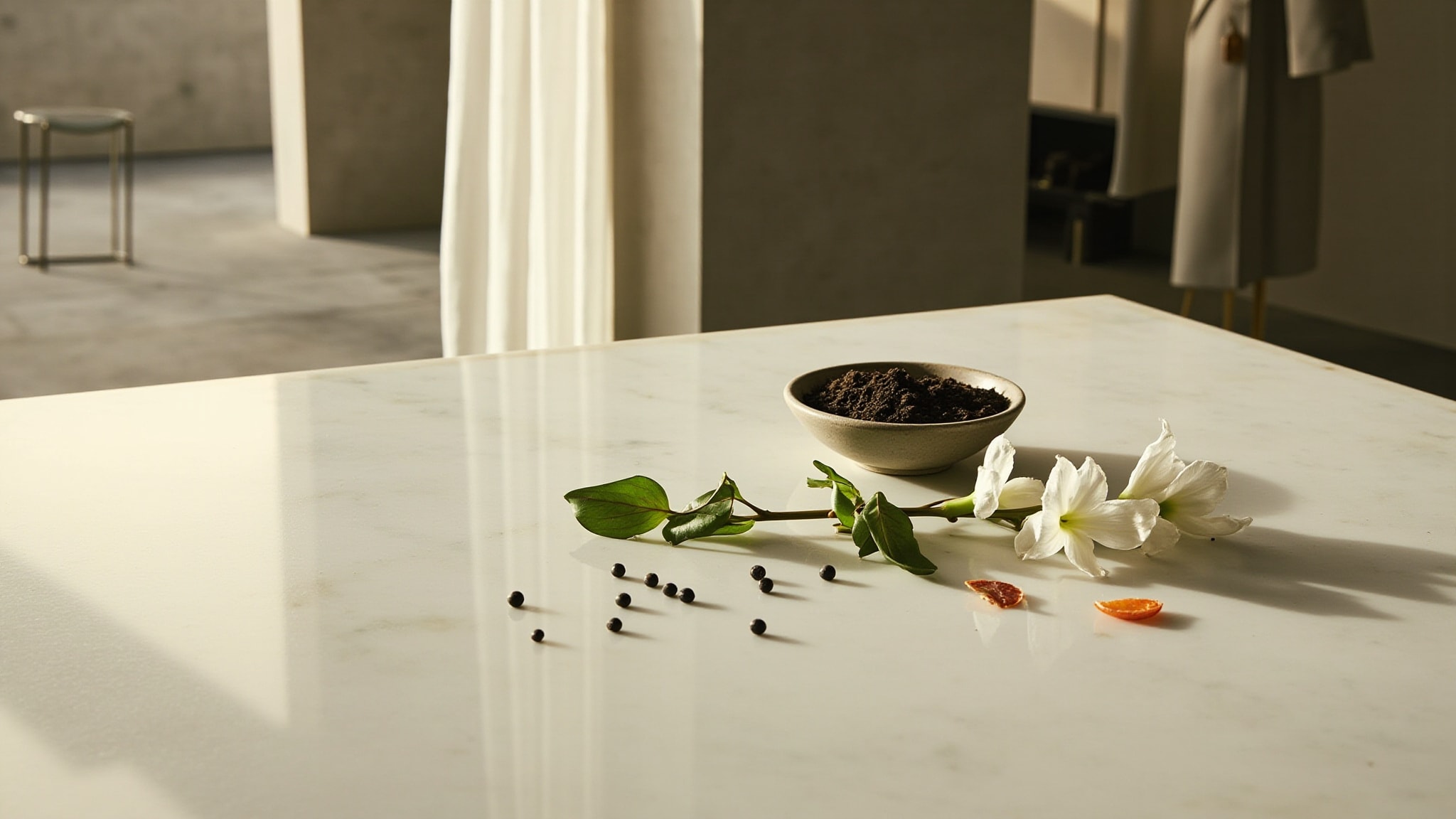
Extracted Jasmine arrived in 2020. Its point of view is precise and reductionist, treating jasmine as a distinct aromatic subject rather than burying it inside a conventional bouquet. The result begins with mandarin and the green-fruity snap associated with jasmine, then lets black and pink pepper interrupt the softness. The name is blunt and apt: this is jasmine treated almost like an extracted material, inspected from several angles rather than polished into a pretty arrangement. As it develops, the floral character gains warmer, earthier and woodier dimensions, giving the opening a gradual shift in weight and texture.
Jasmine sambac is luminous, green, and almost porcelain-like, while patchouli, sandalwood, sesame, and cedar pull the composition toward soil, grain, and smoke. Pepper keeps the floral accord alert. Nothing sits entirely still. The result feels less like a fresh garden spray than a jasmine plant seen through laboratory glass: the floral accord moves between brightness, spice, earthy density, and smooth wood. Patchouli adds depth, sandalwood rounds out the base, sesame brings a dry textural quality, and cedar gives the drydown a faint woody structure.
The evolution
The first impression is a crisp handoff from mandarin to jasmine sambac, bright and green with the suggestion of orange flower. Pepper adds a clean snap, keeping the opening from becoming simply sweet or airy. Through the middle, the floral accord gains warmth while patchouli, sesame, sandalwood, and cedar begin to pull it toward an earthy woody base. The drydown feels less like a floral fade than a change in soil: green stems, warm spice, and smooth wood remain close to the skin. Over time, the jasmine gradually recedes as the woody and earthy notes become more apparent.
Cultural impact
Extracted Jasmine offers a tactile interpretation of jasmine through a combination of floral brightness, pepper, and earthy-woody supporting notes. The composition invites exploration of jasmine beyond a polished floral cliché, presenting it alongside soil, grain, smoke, and wood. Mandarin gives the opening a clean citrus accent, while jasmine sambac supplies the green floral center. Black and pink pepper interrupt that softness with a crisp spice, and the later notes add depth and texture to the evolving composition.
The House
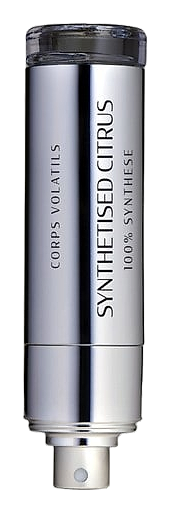
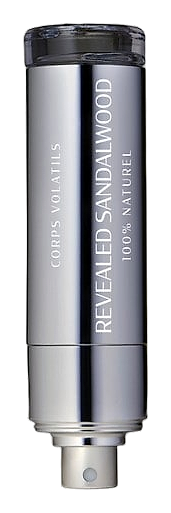
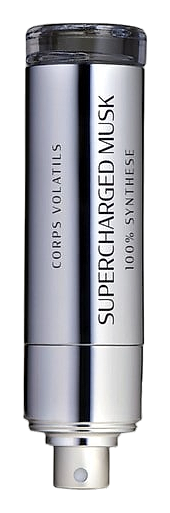
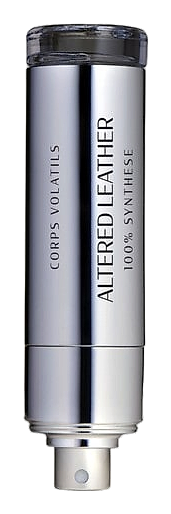
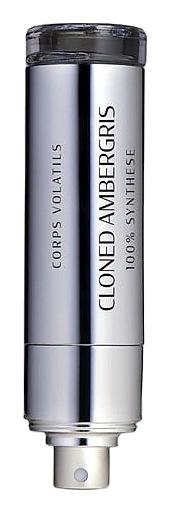
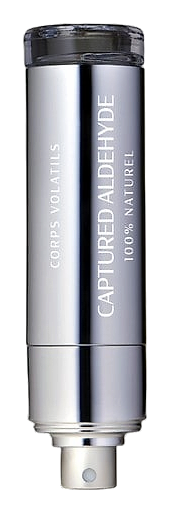
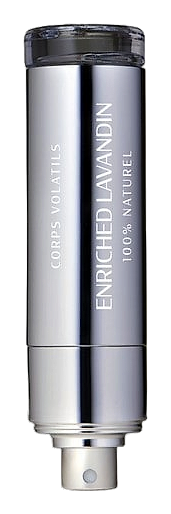
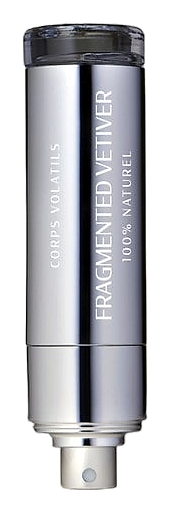
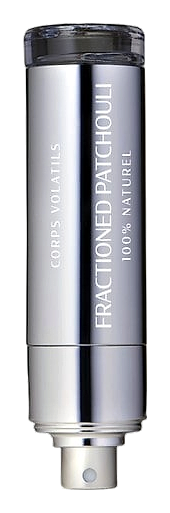
Corps VolatilsCorps Volatils is a French fragrance house that entered the market in mid‑2020 with a clear intent to bridge contemporary chemistry and natural raw materials. The brand presents a line of single‑note explorations that each isolate a scent element—sugar, vetiver, lavandin, narcissus, wood, sun, air, sandalwood, bigarade, carbon—and re‑imagines it as a stand‑alone perfume. By stripping away traditional accords, Corps Volatils invites wearers to experience the purity of each ingredient, while the minimalist packaging reinforces a modern, scientific aesthetic. The collection has quickly become a reference point for collectors who appreciate a laboratory‑like approach to scent.
The Creator
Caroline DumurCaroline favors bold structures built on a clear hierarchy. She often starts with a dominant natural note—jasmine, oud, or cedar—then weaves in a synthetic accent that adds depth or sparkle.