
The Story
Why it exists.
The beginning
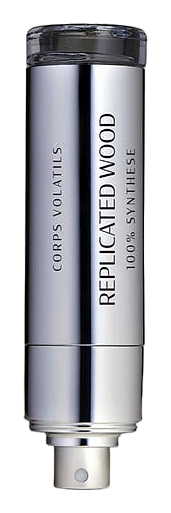
Replicated Wood is centered on Cedramber, a synthetic cedar-ambergris hybrid discovered in 1966 and derived from cédrol, the sesquiterpene alcohol found in conifer essential oils. For this composition, that single molecule carries the entire structure. Cedramber occupies a curious middle ground, sitting between amber and patchouli without committing fully to either, a deliberate suspension between warmth and dryness. The result is a scent that reads as neither purely wood nor purely mineral but something suspended in the space between those familiar poles.
Cedramber supplies the ambergris-like radiance that natural ambergris once provided, but adds dry cedar facets that sharpen rather than soften the profile. The brand's own framing calls it 'the peaceful echo of an imaginary wood, a prelude to a fragrant tale of magic and the deep forest.' Cedar's history stretches back to ancient Egypt, where it symbolized the heavens, earth, and underworld. Replicated Wood works within a tradition that has long associated cedar with sacred space, yet delivers that association through a laboratory-born molecule rather than essential oil distillation.
The evolution
The opening arrives almost weightless. A clean, dry cedar note that reads more like steel than sawdust, stripped of the pencil-shaving sharpness that turns some wood fragrances acrid. There's a faint ambergris-like lift underneath, something almost saline, but it stays abstract. No sweetness to grab onto, no resin to anchor the first half hour. Just dry wood and air. The heart phase is where Cedramber earns its keep. The cedar deepens slightly, gains a shadow of warmth without crossing into sweetness, and the ambergris facet grows more present, not heavier but more felt, like humidity rising off warm stone. The drydown is where this fragrance becomes most interesting. The wood recedes to a whisper. What remains is a powdery, slightly musky amber ghost that clings to skin for what feels like an eternity after the scent itself has become almost subliminal.
Cultural impact
Replicated Wood belongs to a category of fragrances that place a single aroma chemical at the center of the composition, trusting one molecule to carry the full experience from first spray to final trace. Cedramber itself occupies an interesting position within perfumery, valued for its ability to bridge natural and synthetic aesthetics. The scent offers something precise and controlled, the kind of profile that rewards attention and rewards repeat wear. It's the kind of fragrance you notice differently each time you return to it, picking up facets that escaped you in earlier encounters.