Cedramber
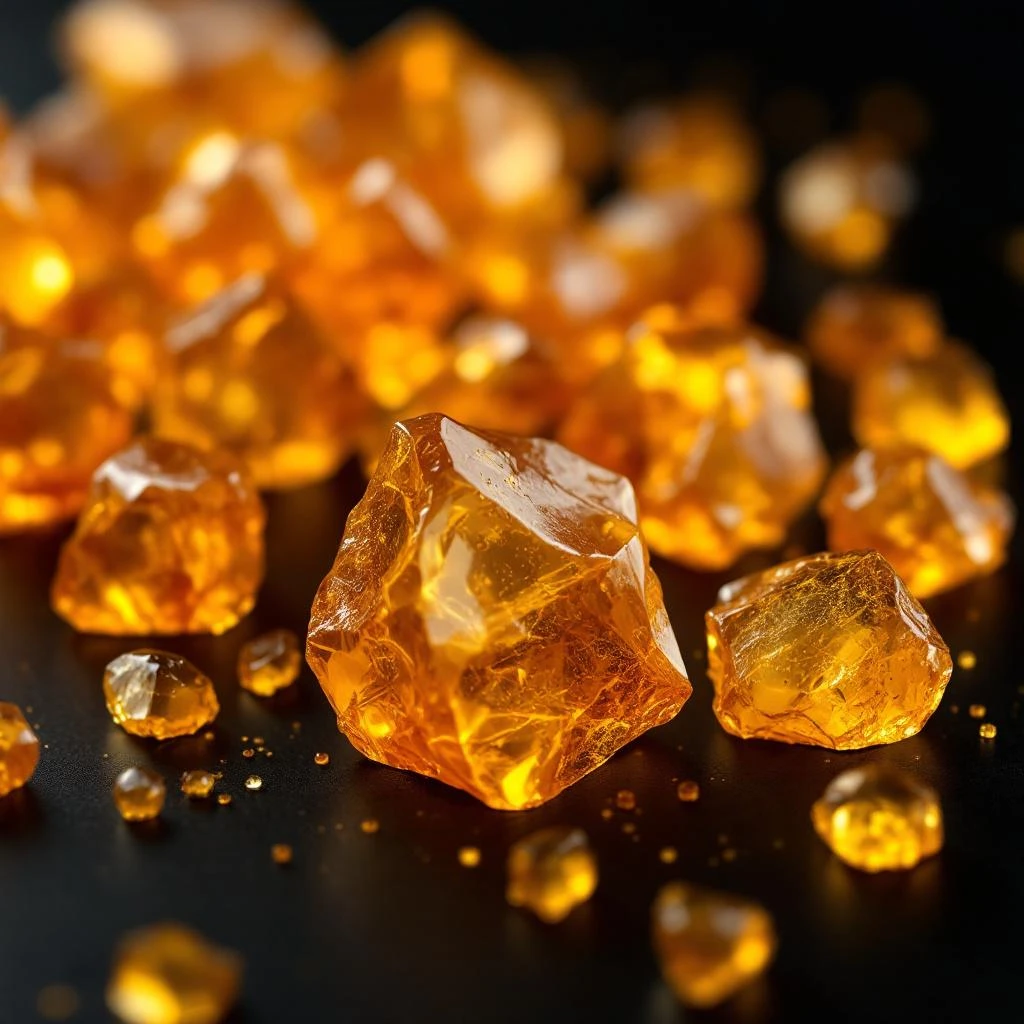
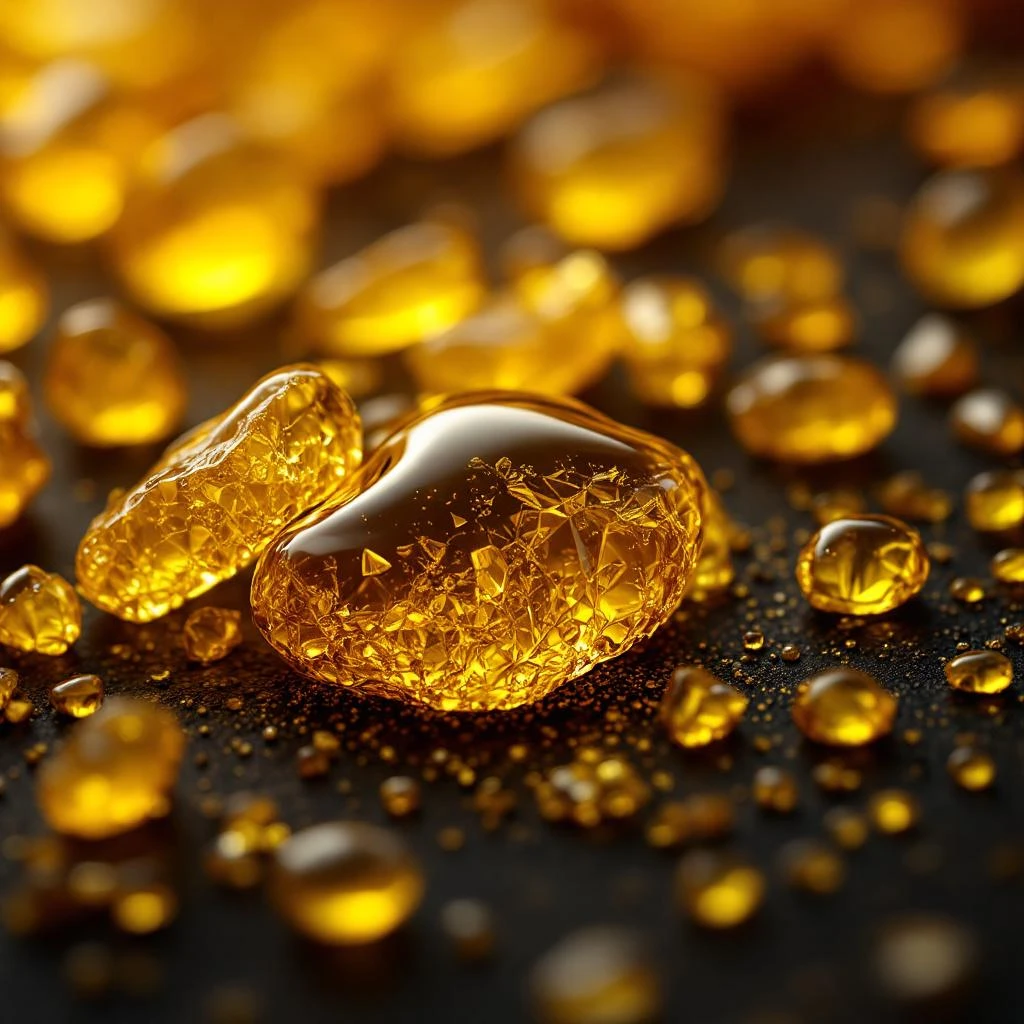
Cedramber is a synthetic woody-amber molecule that brings dry, mineral richness to fragrances. Developed by IFF in 1966, it offers a sustainable alternative to natural ambergris without animal or dietary restrictions.

Character
How it smells
Dry amber warmth, lab-crafted.
Cedramber's market value hit $285.4 million in 2025 and grows at 6.4% annually, driven by rising demand for sustainable woody-amber ingredients in fine fragrance.







Origin
United States
Cedramber emerged from International Flavors & Fragrances (IFF) research laboratories in 1966, a period when the fragrance industry actively pursued synthetic alternatives to rare natural materials. Natural ambergris commanded premium prices and raised ethical questions about sourcing, prompting chemists to seek reproducible molecular solutions. The development reflected broader industry transformation begun in the 19th century, when organic synthesis first expanded perfumery beyond botanical origins.
Scientists had already introduced synthetic musks, vanillin, and coumarin by the early 1900s, but woody-amber chemistry represented a gap until cedramber arrived. The molecule gave perfumers ethical, consistent access to ambergris character without marine harvesting pressures, democratizing a once-luxury note across fragrance families.
Wears it best
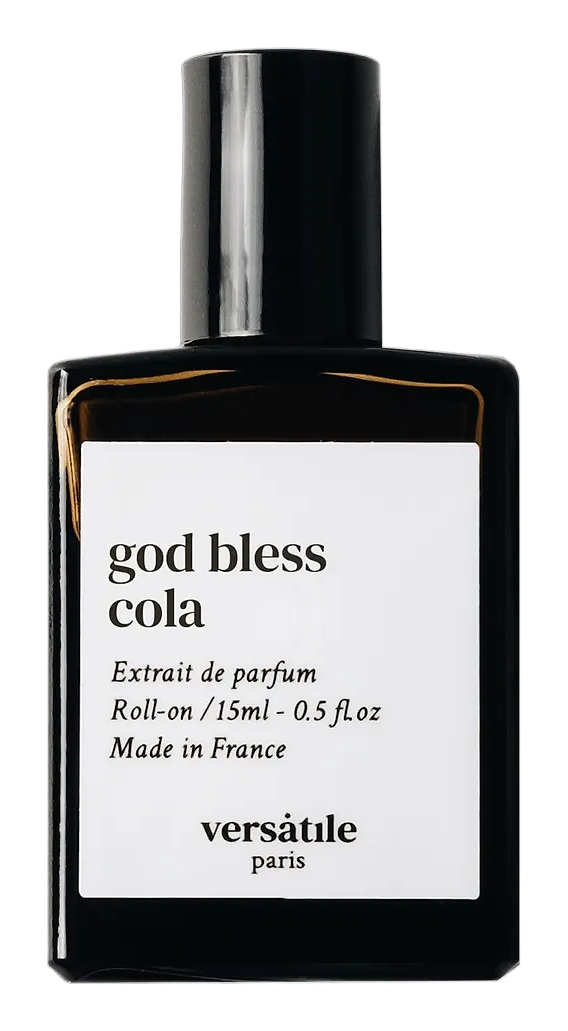
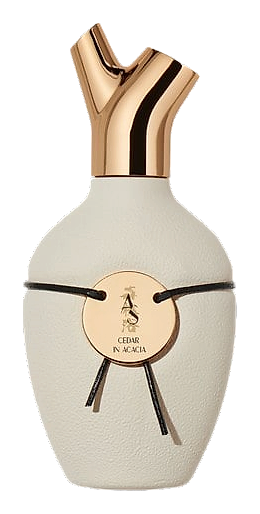
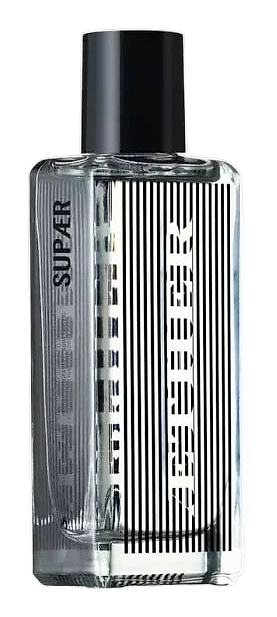
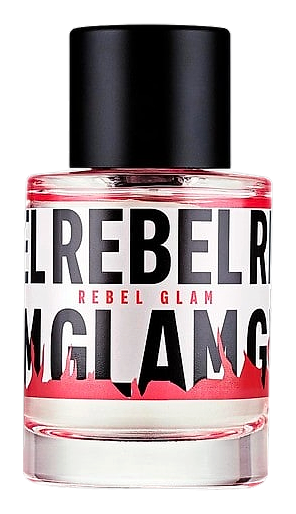
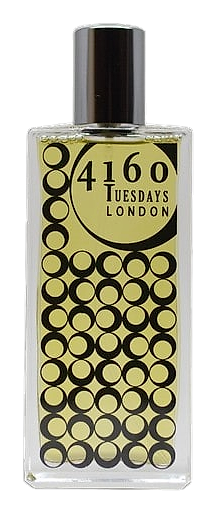
Fragrances featuring Cedramber
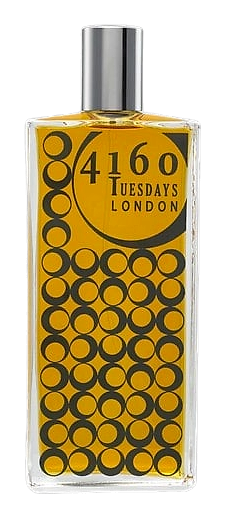
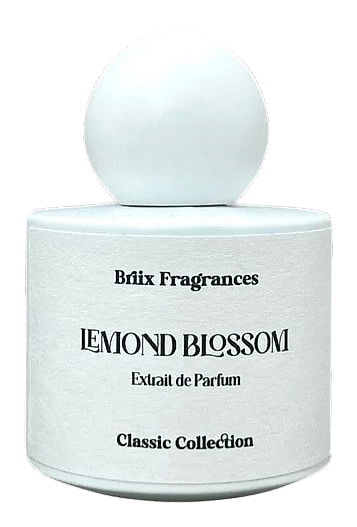
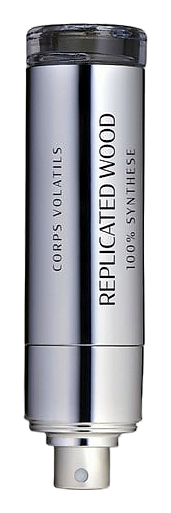
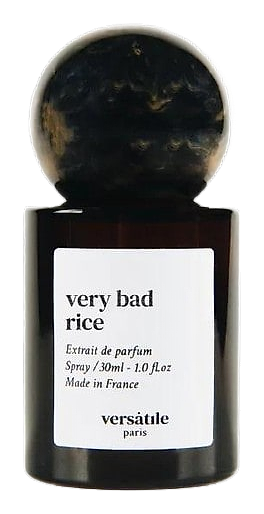
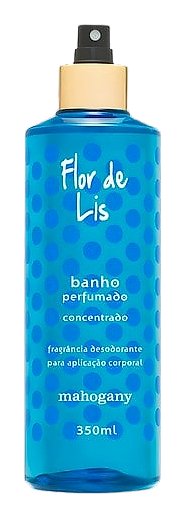
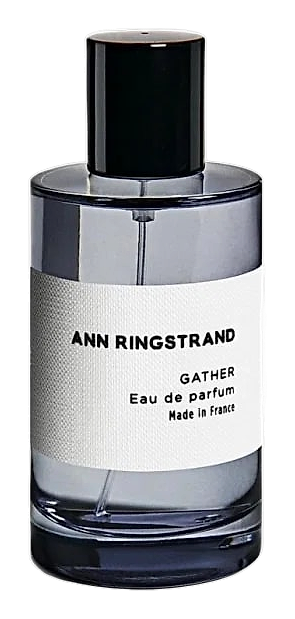
Brands
Brands known for Cedramber
Good to know
Questions, answered
The essentials on Cedramber in perfumery: how it smells, where it comes from, and how it behaves on skin.
What does Cedramber smell like?
Cedramber delivers a dry, mineral ambergris character with woody undertones. It lacks the marine or fecal qualities sometimes found in natural ambergris, offering instead a clean, warm woodiness that blends well with other base notes.
Is Cedramber natural or synthetic?
Cedramber is entirely synthetic. Chemists produce it through etherification of cedrol, a cedarwood-derived sesquiterpene alcohol, in laboratory conditions. This allows consistent olfactory performance batch to batch.
When was Cedramber developed?
IFF introduced Cedramber in 1966. The timing aligned with perfumery's shift toward sustainable synthetic ingredients, as natural ambergris grew scarcer and more regulated.
What fragrance families use Cedramber?
Cedramber appears frequently in woody, amber, fougère, and chypre compositions. It serves as a fixative and base note, adding depth and longevity to men's and women's fine fragrances alike.
Is Cedramber safe for skin use?
Cedramber carries an IFRA restriction level of 22% in finished consumer products, confirming safe use at standard concentrations when formulated properly. Consult IFRA guidelines for specific product categories.
How does Cedramber compare to natural ambergris?
Cedramber replicates ambergris's warm, woody dryness without animal sourcing or irregular availability. It costs significantly less and maintains uniform quality, though some perfumers prefer natural ambergris for its complex, evolving character.
What is the chemical name for Cedramber?
Cedramber is chemically known as cedryl methyl ether, with the CAS registry number 67874-81-1. It belongs to the sesquiterpene ether family and features a distinctive methyl ether functional group.
Why is Cedramber important in modern perfumery?
Cedramber addresses perfumery's need for ethical, sustainable amber materials. Its $285.4 million market valuation and projected 6.4% annual growth reflect consistent demand from fragrance manufacturers seeking reliable base notes.