
The Story
Why it exists.
The beginning
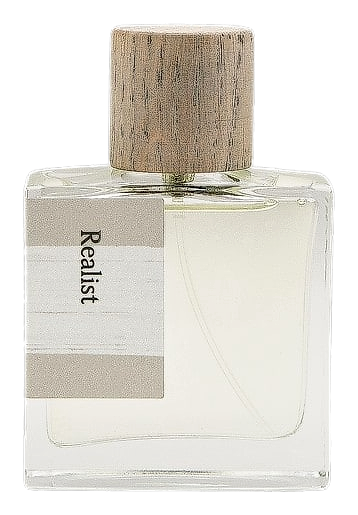
The name came first. Realist, not as in cynical, but as in present. Contradictions in ILK built their house on the idea that people contain multitudes, that scent should bend to the wearer, not the other way around. Realist was conceived as a counterweight to that philosophy: what if a fragrance simply was, without apology? Perfumer Mylène Alran worked from a specific source text, the olfactory narrative of a monk ascending a Japanese mountain as night releases into morning. The yuzu the monk carries. The incense for prayer. The cedar forest through which he walks. Cold night becomes crisp dawn. That progression, from darkness into clarity, became the fragrance's structural logic. Launched in 2020.
What makes Realist unusual is the way it refuses the expected citrus sweetness. Yuzu is citrus, but it doesn't read as lemon or orange here, it arrives ozonic, almost mineral, like the scent of cold air rather than fruit. The black tea note amplifies this. Tea in perfumery often reads as astringent or green, but here it's dry, slightly bitter, and it works against the citrus brightness instead of supporting it. The hinoki wood in the base is the quiet signature. Hinoki is Japanese cypress, it carries cedar's cream but with a distinctive lemon-vetiver undertone that echoes the opening's yuzu long after the citrus has faded.
The evolution
The opening hits fast, bergamot and yuzu, with black pepper announcing itself in the first minute. It's bracing. Some wearers compare it to bathroom cleaner initially, though others describe it as the sharpest, cleanest air they've encountered in a fragrance. Either way, it demands attention. Around 30 minutes in, the petitgrain and cedar emerge. The citrus doesn't disappear, it softens, becoming less assault and more presence. Black tea arrives quietly, introducing a dry, slightly bitter counterbalance that prevents the composition from leaning into sweetness. The rose note is nearly imperceptible; it reads as a subtle green undertone rather than a floral statement. By hour two or three, the base notes take over. Vetiver anchors everything with its earthy, smoky character. Hinoki wood arrives late but lingers, that lemon-cedar signature that echoes the opening's yuzu note. Incense stays restrained, more memory than statement. Amber holds everything in warmth. The drydown lasts through hour six, sometimes eight, but stays close to the skin. Moderate sillage.
Cultural impact
The yuzu note in mainstream Western fragrances marks a notable shift in how non-Western citrus ingredients are being adopted by designers. Historically, Western perfumery favored European citrus like bergamot and lemon, but yuzu represents a deliberate expansion of the perfumer's palette into Asian botanicals. This fragrance arrives at a moment when consumers increasingly seek scents that feel global rather than regionally bound. The minimalist presentation and clean scent profile also align with the broader minimalist aesthetic that has influenced luxury goods and interior design.