The Story
Why it exists.
The beginning
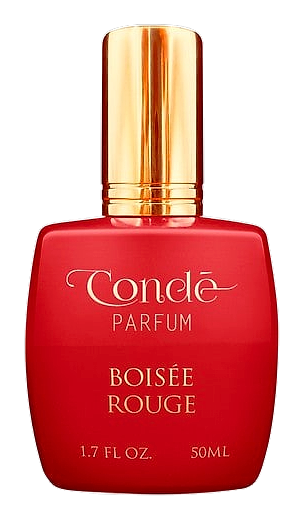
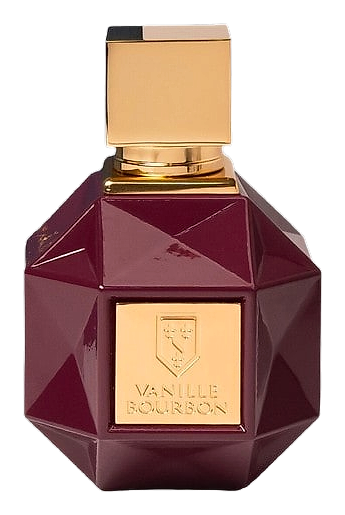
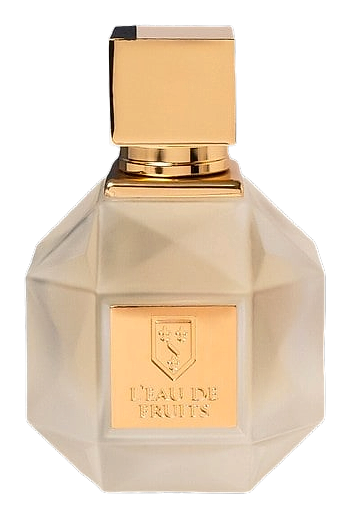
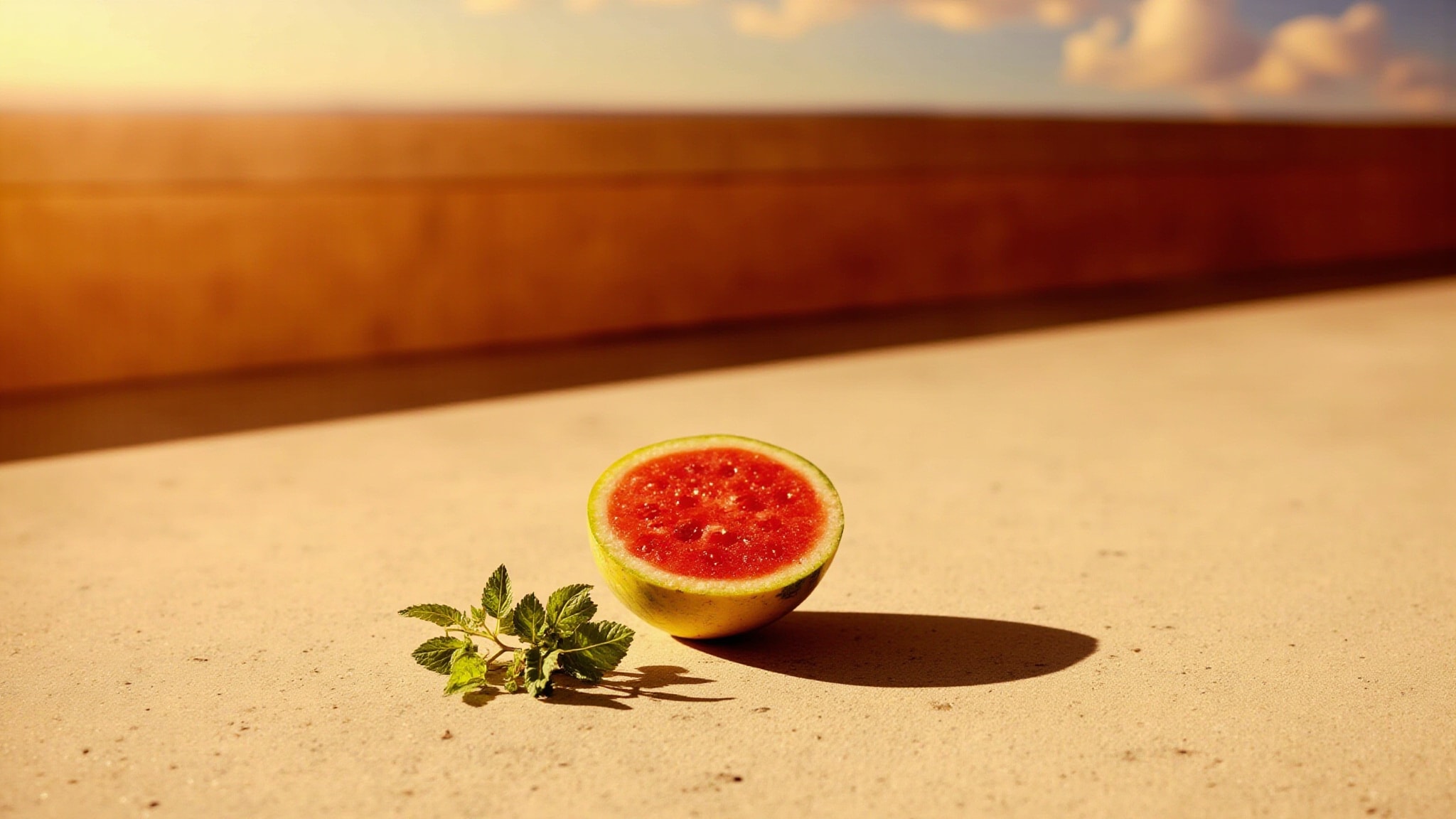
Fábio Condé called this one L'Eau de Fruits, Water of Fruits, and meant both words. Not just fruit, not just water, but the exact sensation of biting into cold, ripe fruit on a hot day. The name is the brief. The brief is the concept. Six top notes (watermelon, melon, apple, bergamot, grapefruit, pineapple) give you the fruit salad. The saline heart and the ozonic accords give you the water. The Brazilian summer gave him the rest. Condé has built a house that swings from vanilla bourbon to fresh colognes without blinking. L'Eau de Fruits sits firmly in the fresh, approachable corner of that portfolio, a fragrance that knows exactly what it is and refuses to apologize for it.
The interesting move here is the ambroxan. Most fruity fragrances let the sweetness run the whole show. Condé threads ambroxan and salty notes through the heart, which changes the temperature of the fruit. It's not just sweet anymore, it's cold. The mint and lemongrass push it toward green without turning herbal. And the base, with cedar and moss, gives the sweetness somewhere to land instead of just evaporating. The violet is a quiet choice, too. It could have been jasmine or tuberose. Violet keeps things lighter, more atmospheric. That's the whole point of the fragrance: stay in the air, don't sink into the skin.
The evolution
The opening hits like a mouthful of fruit punch. Watermelon dominates, cold, slightly mineral, the kind of sweetness that doesn't stick. Then the grapefruit arrives, pithy and bright, cutting through the melon before pineapple and apple fill the middle. Forty minutes in, the mint shows up and the whole thing cools down by a few degrees. The ambroxan is doing something you can't quite name, making the air feel ozonic, like the moment after a thunderstorm. That's the saline note. Not ocean, exactly. More like the smell of wet stone on a warm afternoon. The drydown is quiet. Cedar and musk stay close, maybe two feet from the skin, and the whole thing fades by hour five or six on most people.
Cultural impact
Fruity fragrances like L'Eau de Fruits represent a democratization of accessible luxury in modern perfumery. These scents emerged as a counterpoint to heavy, sensualorient ed fragrances that dominated previous decades, offering something brighter and more approachable for everyday wear. The trend gained momentum throughout the 2000s and 2010s, coinciding with the rise of celebrity fragrances and accessible luxury lines that brought designer-quality scents to wider audiences. L'Eau de Fruits by Condé Parfum captures this spirit perfectly - it offers the sensory pleasure of biting into a ripe summer fruit without the exclusivity or complexity that can make some perfumes feel intimidating.