The Story
Why it exists.
The beginning
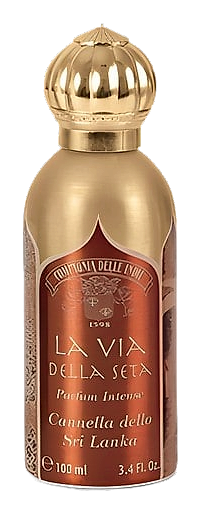
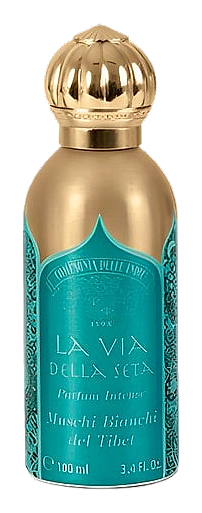
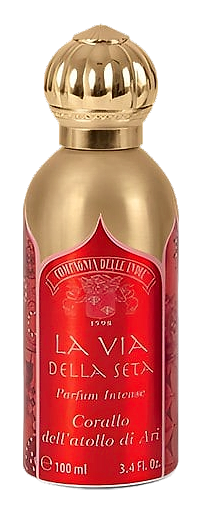
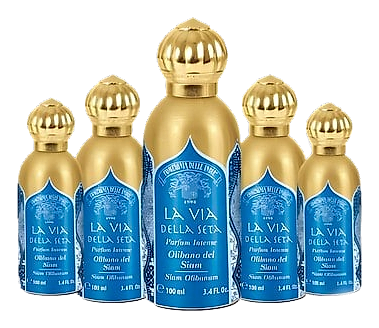
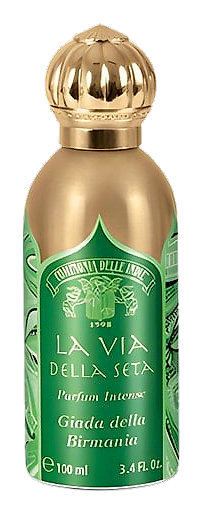
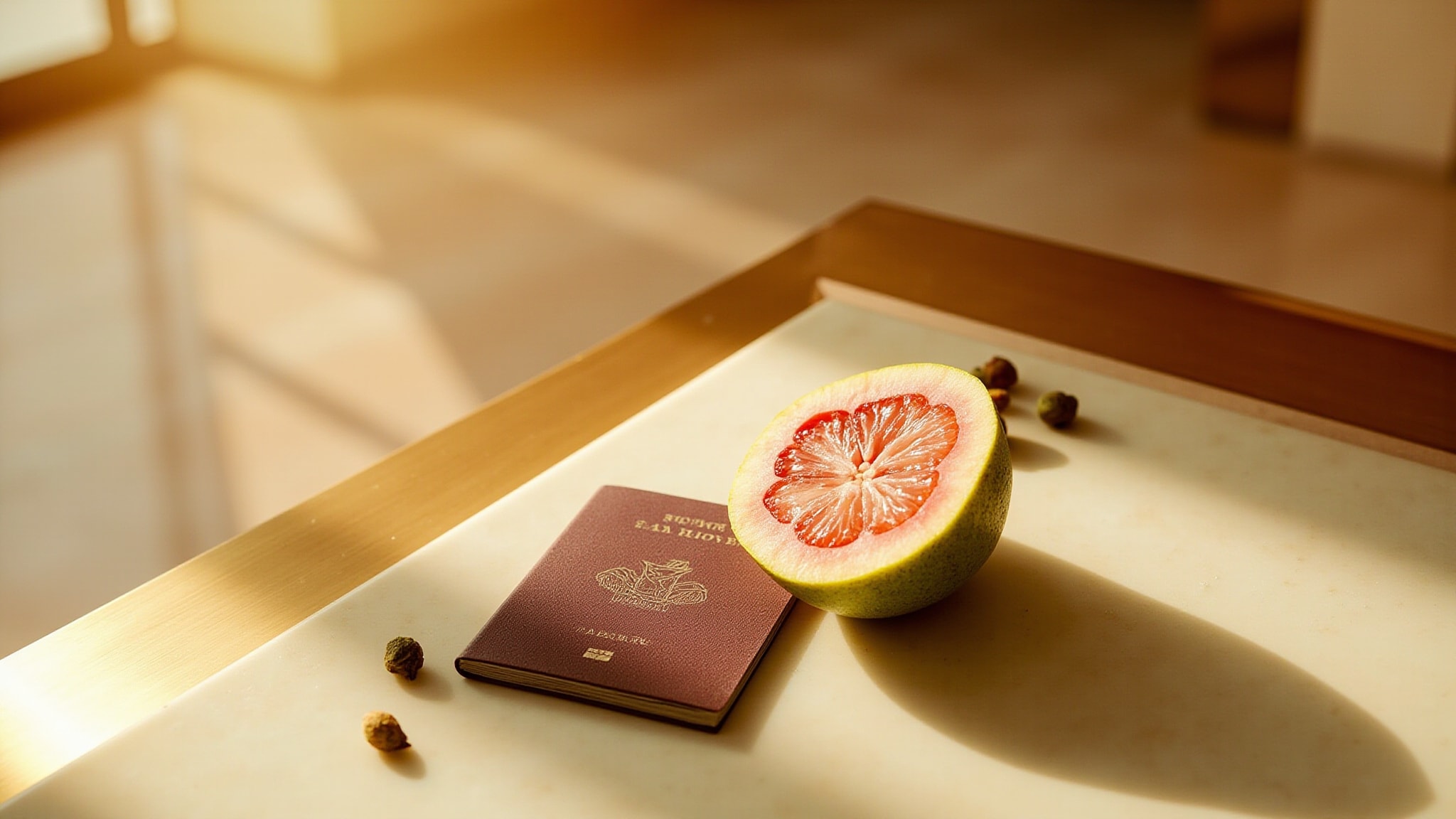
Giada della Birmania arrived in 2012 as part of Compagnia Delle Indie's La Via della Seta collection, a series built around evocative destinations and exotic travel imagery. Its name points toward Burma, now commonly called Myanmar, while the composition turns that idea into a concise palette of citruses, fruits, and warm spice. No perfumer is credited in the available documentation, so the intent lives in the notes rather than a named maker's signature: fresh citrus for light, fruit for appetite, and spice for movement. It isn't a literal postcard or an attempt to reproduce a specific Burmese scent. It is fragrance as imagined geography, a destination built for wearing.
The interesting part is the tension inside a simple-looking fresh fruity profile. Citrus brings clean brightness and a polished lift, while fruit gives the center a rounder, more generous sweetness. Warm spice keeps the combination from settling into an overly soft or syrupy impression, adding definition between the brighter and fuller notes. The interaction gives the scent more character than a sunny citrus fragrance usually needs, with fruit and spice lending depth to the clean citrus foundation.
The evolution
At the start, citrus fruit arrives with an almost lacquered shine, bright and awake. Spicy notes quickly put a fine point on that brightness, so the opening reads energetic rather than cold. Fruit adds fullness and sweetness to the composition, while the citrus accord keeps lifting the edges and preserving a sense of clarity. The spice remains an important part of the contrast, giving the warm, sweet profile a sharper outline without overwhelming the brighter notes. Together, these elements give Giada della Birmania a simple arc: a clean spark of citrus, a lush fruity center, and a warm blend that settles close to the skin. The combination remains easy to read as the fragrance wears, with the citrus and fruit supplying freshness and sweetness while spice adds structure.
Cultural impact
Giada della Birmania fits the destination-inspired context of La Via Della Seta: its name and collection setting place it within an exploratory frame. The citrus-fruity-spicy composition gives that context a sensory expression, pairing fresh brightness with rounded sweetness and warm, structured spice. It suggests place through contrast rather than claiming a literal reconstruction of Burma, turning the idea of a destination into an invitation to explore the fragrance. The result is a clear, approachable composition whose varied notes make it suitable for discovery and repeated appreciation.