
The Story
Why it exists.
The beginning
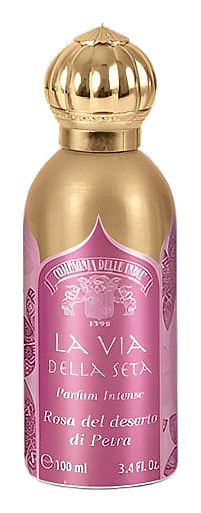
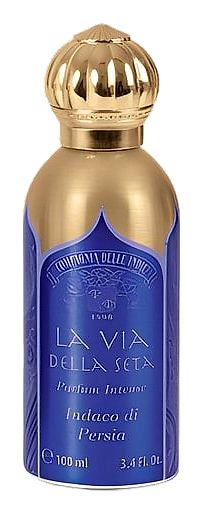
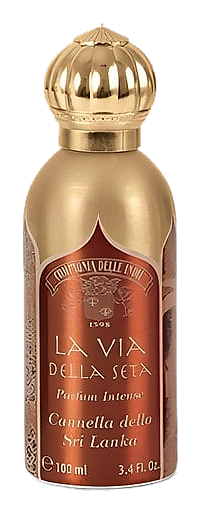
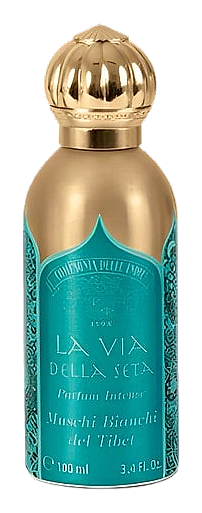
Muschi Bianchi del Tibet was released in 2012 as part of Compagnia Delle Indie's La Via della Seta collection, a series of six compositions organized around the Silk Road as both route and idea. Each fragrance in the line took its name from a single ingredient, and Tibet was given the white musk. The brand frames its work as travel through scent rather than classification by family, choosing to position the Tibetan plateau through a single material's quiet intensity rather than through elaborate thematic staging. It is a landscape rendered through restraint and directness, where the chosen note carries the full weight of the geographic reference without embellishment.
What makes this composition worth noting is its commitment to a single idea. Rather than building a musk accord as a base layer beneath something louder, the entire structure is built around white musk doubled and framed by oriental warmth. The musk appears twice in the listed notes, once at the opening and once in the heart, which signals a deliberate strategy of saturation rather than progression. The oriental notes serve not as contrast but as texture, giving the musk a spicy, smoky, ambered skin to sit on. It is a study in intensification rather than development, and that focus is what gives it its particular gravity.
The evolution
On skin, the opening reads as a clean, almost bleached white musk, with the cool powderiness that the accord is known for. It feels close, intimate, like something already warmed by a body. Within the first thirty minutes the oriental layer begins to surface: a warm, slightly resinous ambered quality that adds weight without losing the softness. The spice accord comes forward here, subtle but present, leaning smoky rather than sharp. By the second hour the composition has settled into its true register, a musky amber warmth that sits on the collarbone and wrists without pushing outward. The sillage stays moderate, a personal radius rather than a room-filling cloud. In the later hours the drydown shifts toward a creamier, skin-like musk, the white becoming more golden, the smoke fading to a faint suggestion of something smoldering. On fabric it lingers longer, warmer and slightly sweeter. On skin it fades into a quiet musk that reads more like warmth than scent, detectable when you move but gone when you stop.
Cultural impact
Within Compagnia Delle Indie's La Via della Seta collection, this sits as the white musk entry. The animalic warmth keeps it from reading as a typical clean musk, giving the composition enough texture and low-grade heat to register as a deliberate creative choice rather than a generic fresh scent. It rewards close attention rather than casual acquaintance, which shapes who gravitates toward it and how they tend to wear it. The oriental notes in the listed composition introduce a resinous, faintly smoky dimension that grounds the musk and gives the fragrance staying power beyond what a pure white musk might offer on its own.