
The Story
Why it exists.
The beginning
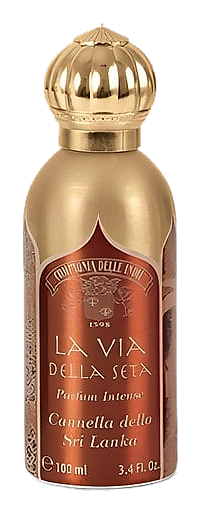
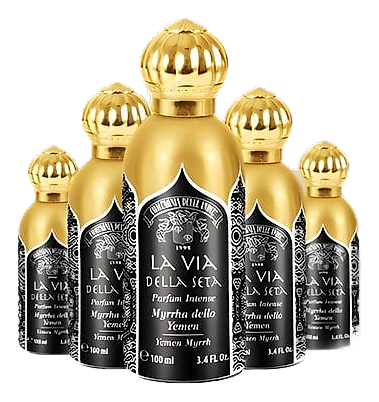
Myrrha dello Yemen belongs to La Via della Seta, the Silk Road collection, which tells you everything about where this fragrance thinks it's going. Yemen sits on the old incense routes, a waypoint between the Arabian Peninsula and the markets of the Mediterranean. Myrrh has moved through those routes for millennia, carried by traders who understood that some things are worth the distance. The name is a destination. The scent is the proof it arrived.
What makes this interesting is the restraint. Myrrh in perfumery often arrives loud, resinous, almost antiseptic, the ghost of church incense. Here, it softens. The sweet-oriental classification shows in how the base angles toward amber rather than gum. There's warmth without weight, the balsamic quality translating as sun-warmed rather than heavy. It's myrrh that remembered it grew in a desert, not a cathedral. The 2013 release sits quietly in the collection, discontinued now, which makes finding it feel like stumbling onto a route that most people skipped.
The evolution
The opening arrives without ceremony, no bright citrus fanfare, no aldehyde crash. Myrrh establishes itself immediately, but in its warmer register. The transition to the heart is seamless; there's no moment where the fragrance shifts because the myrrh simply deepens, picking up a faint powdery quality that rounds the edges. The drydown is where it earns the 'sweet-oriental' label, amber and a soft woody warmth that lingers close to the skin for 6-8 hours on most. On fabric, it lasts longer. The next morning, there's a faint trace, warm, resinous, like something that stayed.
Cultural impact
Released in 2013 as part of the La Via della Seta collection, Myrrha dello Yemen occupied a quiet corner of an already niche house. The fragrance has since been discontinued, which has made it something of a collector's footnote, the kind of scent that surfaces in forums as a recommendation for someone who wants myrrh without the usual sharpness. Community reviews compare it to Chopard's Cašmir in spirit, though at a fraction of the price. Moderate sillage kept it from dominating rooms, which suited the wearer's mindset rather than the room's expectations.