
The Story
Why it exists.
The beginning
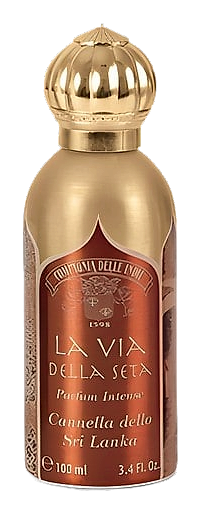
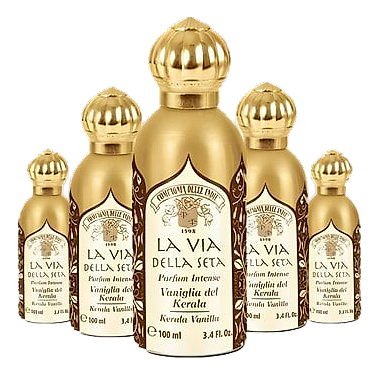
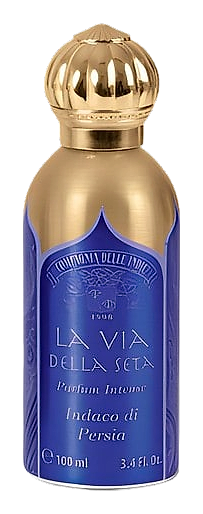
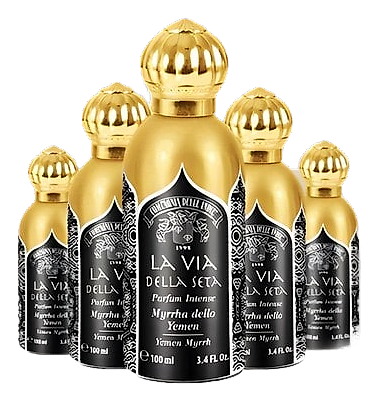
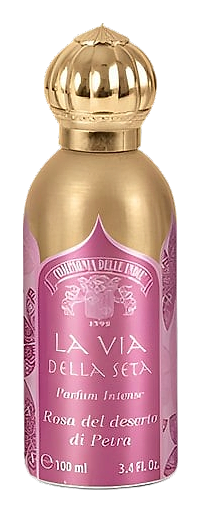
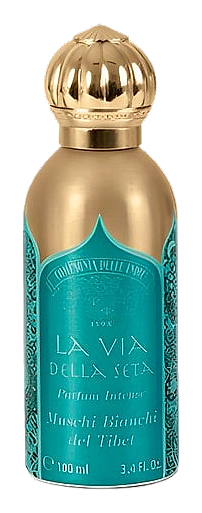
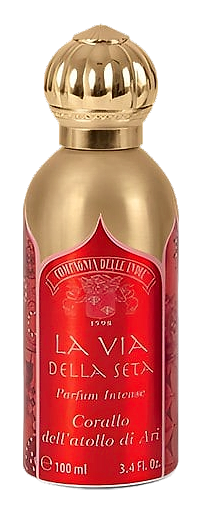
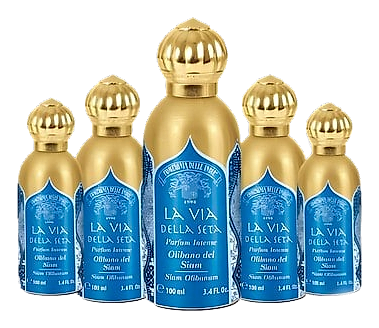
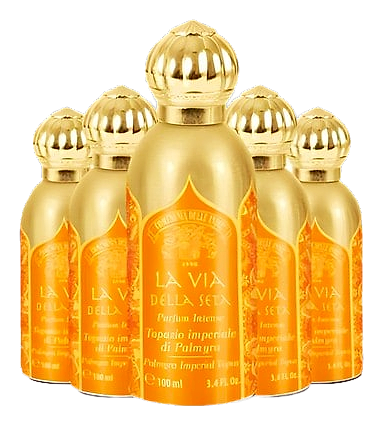
Topazio Imperiale di Palmyra arrived in 2013 as a unisex fragrance from Compagnia Delle Indie. The available record identifies its character as floral with an exotic floral orientation, while no named perfumer or detailed composition notes are provided. That limited profile invites a closer look at the fragrance as presented within its collection, with its name, classification, and release date forming the clearest points of reference. It is a documented release from 2013, identified as unisex and marked by a floral and exotic floral profile.
The fragrance is classified as floral, with exotic floral notes presented as its central idea. The available source material does not provide a named perfumer or a detailed list of ingredients, so there is no documented note progression to follow beyond that broad characterization. Topazio Imperiale di Palmyra can therefore be understood through the terms attached to it: a floral release with an exotic floral orientation, presented as a unisex fragrance and included within La Via della Seta.
The evolution
Topazio Imperiale di Palmyra is documented as a 2013 unisex fragrance classified as floral and exotic floral. The source material does not describe its opening, heart, drydown, projection, longevity, or changes over time, so the available record does not support a sequence of scent development. It belongs to La Via della Seta, and its central documented character is floral with an exotic floral orientation. The fragrance's evolution remains unspecified in the available material, which offers classification and collection context rather than a performance account or a detailed description of how its character changes on wear.
Cultural impact
The source record places Topazio Imperiale di Palmyra within La Via della Seta and classifies it as a 2013 unisex fragrance with an oriental floral profile. Beyond those details, the available material provides no documented reception history, public response, or broader cultural impact. Its significance can therefore be described through its verified collection placement, release year, unisex classification, and stated floral character. Any account of its wider influence would require additional evidence that is not present in the material available here.