
The Story
Why it exists.
The beginning
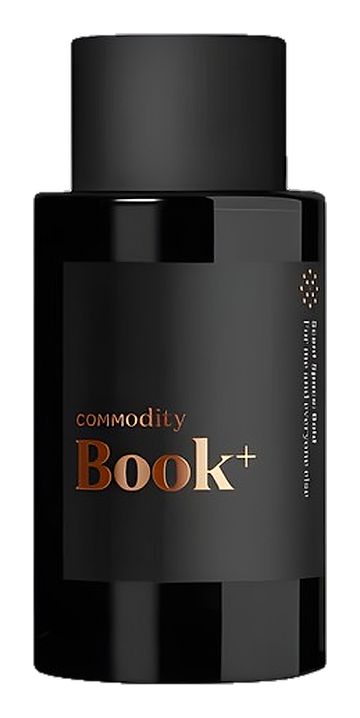
Dew was Commodity's first full step outside its elemental comfort zone. While Milk, Gold, and Book kept things minimal and abstract, Dew wanted to be something literal, the smell of morning dew, fresh and wet and alive. Robertet built the composition around the contradiction: a fruit-forward scent that names itself after something mineral and cool. The melon, peach, and pear arrive all at once, bright and sticky-sweet, then the florals cool it down and the vanilla warms it back up. It's a journey from fresh to warm in under an hour, and the name stays ironic the whole time.
The structure is unusual for a Commodity fragrance. Most of the brand's scents build slowly or stay close to a single mood. Dew moves, aggressively, from juicy fruit to powdery florals to warm vanilla skin. That arc is compressed into 6-8 hours, which is fast by niche standards. The Turkish rose and violet in the heart give it a vintage feel, the kind of powdery florality that used to fill department store air. The vanilla base ties it all together, but it doesn't dominate, it waits, warm and close, until everything else fades.
The evolution
The opening hits hard. Italian mandarin orange, peach nectar, melon, and pear arrive together, all sweetness, all brightness, no pretense. Within 15 minutes, the florals begin to push through. Jasmine and orchid meet the plum and Turkish rose, and the whole thing shifts from sticky-sweet to cool and powdery. Violet is the bridge between these two worlds, floral and green at the same time. By hour three, the fruit has mostly disappeared. What's left is the heart, rose and violet over a warm, quiet base. Madagascar vanilla and cedar come forward slowly, giving the drydown a woody, sweet warmth that stays close to the skin. Musk is the quiet anchor. The last thing you'll smell is vanilla over skin, not fruit, not florals, just warm, close, personal. On fabric, the vanilla and cedar linger well past 8 hours.
Cultural impact
Dew arrived in 2013 during a niche fragrance boom that was shifting away from heavy ouds and orientals toward lighter, more accessible scents. As Commodity's first fully fruit-forward fragrance, it marked a deliberate departure from the brand's minimalist elemental identity established by Milk, Gold, and Book. The juicy-fruity profile brought a new accessibility to Commodity's collection, making their clean, vegan formulation approachable for mainstream fragrance buyers curious about niche. Dew represented a broader cultural moment in perfumery: the democratization of niche, where artisanal brands had to balance identity with commercial viability. It challenged the idea that niche fragrance meant unconventional or challenging scents.