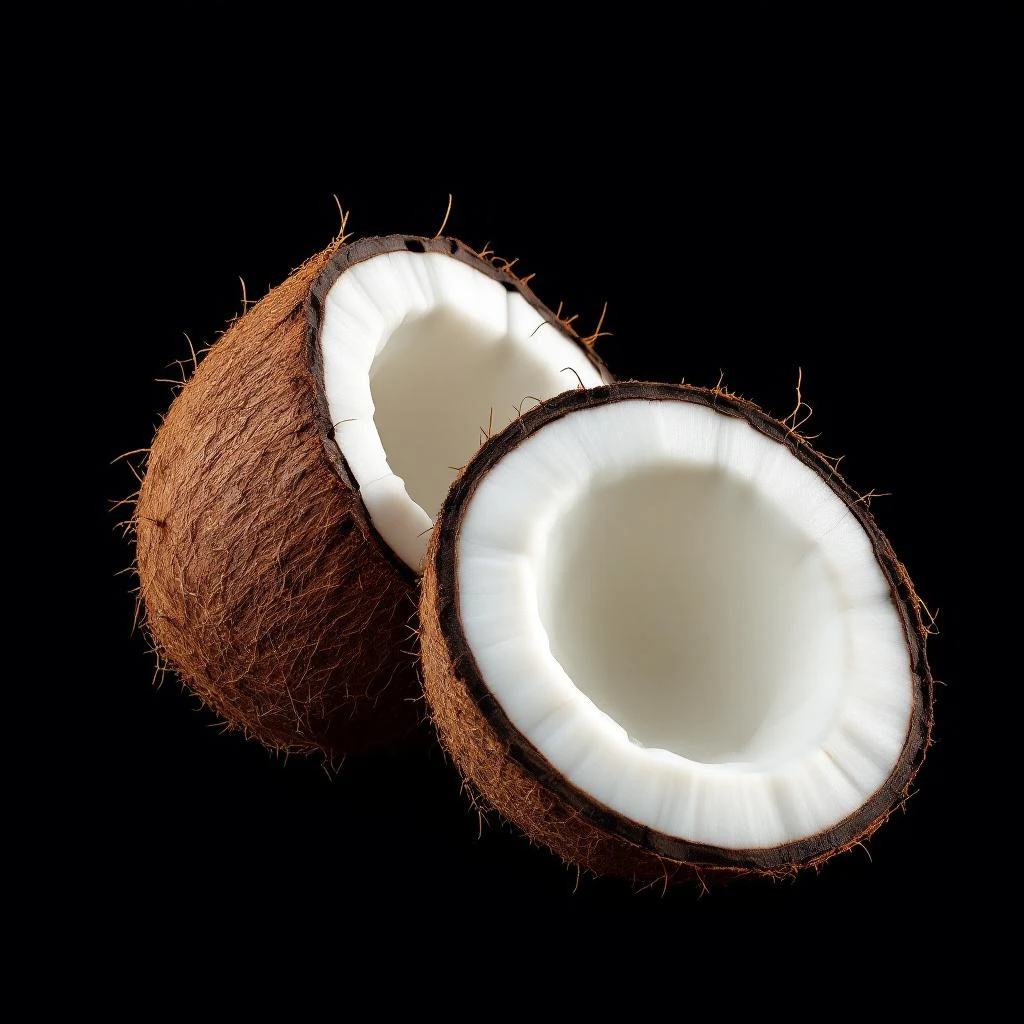
Peach Nectar
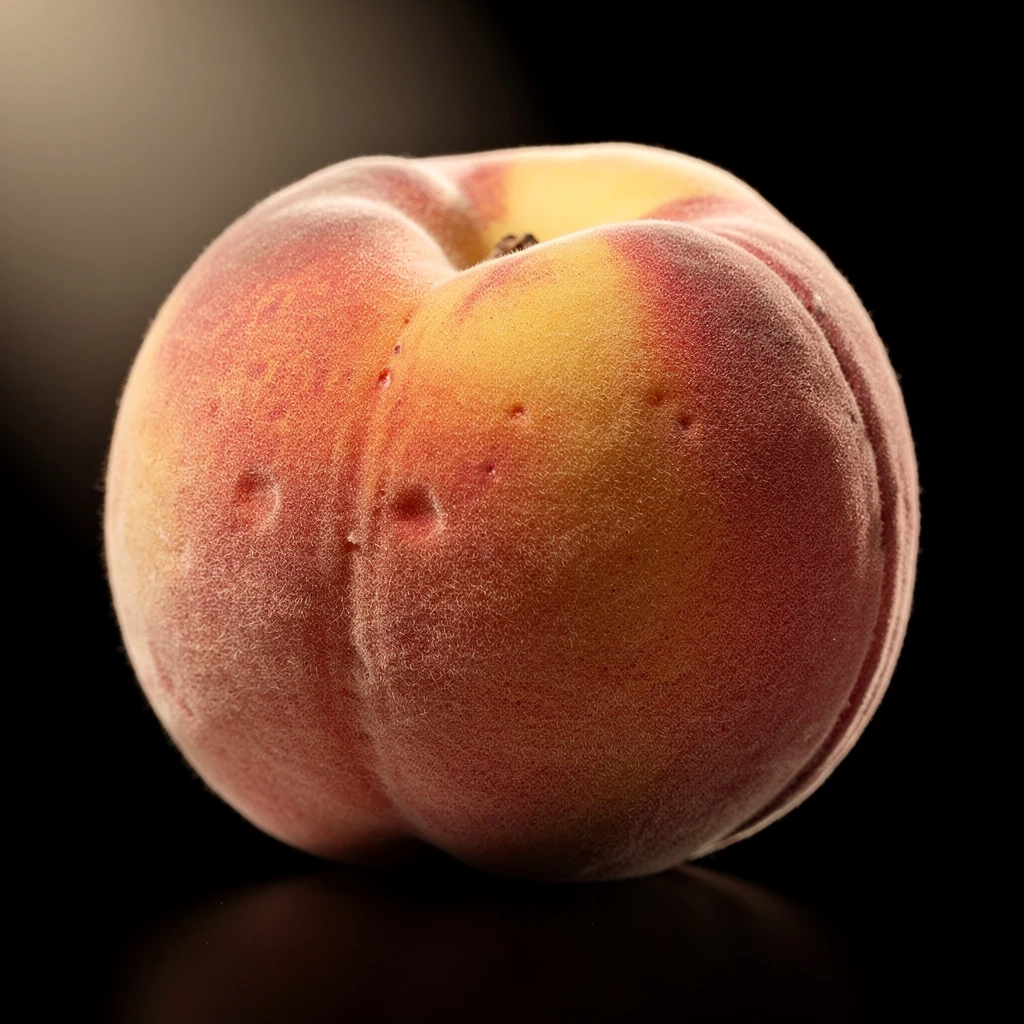
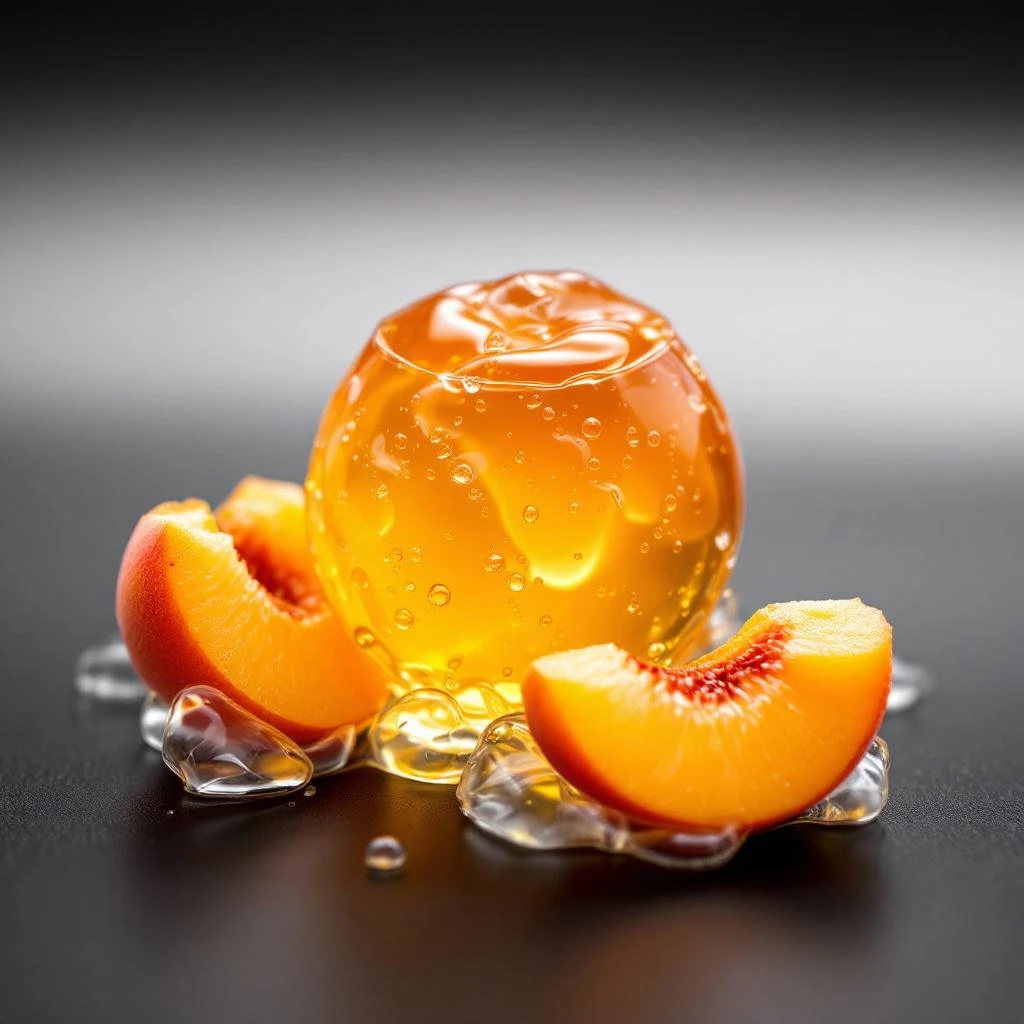
Peach nectar captures the precise moment when summer sun ripens fruit to perfection. In fine fragrance, this note feels velvety, bright, and impossibly lush, with a creamy finish that lingers like a half-eaten peach on a warm afternoon.
Character
How it smells
Juicy, creamy, and impossibly lush.
There is no peach essential oil. Every peach note in every bottle is reconstructed entirely from synthetic lactones.







Origin
China
Peach originated in China over 4,000 years ago, where it held deep cultural and ceremonial significance. The fruit traveled westward along the Silk Road through Persia before reaching the Mediterranean by medieval times.
Arab perfumers of the 9th and 10th centuries first pressed peach kernel flesh into ointments and scented waters, recognizing the soft, bitter-almond undertone that complemented fruity top notes. Western perfumery, however, stayed true to roses, jasmines, and citrus for centuries.
That changed in 1919 when Jacques Guerlain released Mitsouko: one of the first fragrances to deliberately blend natural and synthetic materials, using reconstructed peach lactones alongside natural rose and jasmine. Mitsouko is widely considered the first modern fruity fragrance, and it opened the door for the entire fruity-floral category that dominates women's perfumery today.
Wears it best
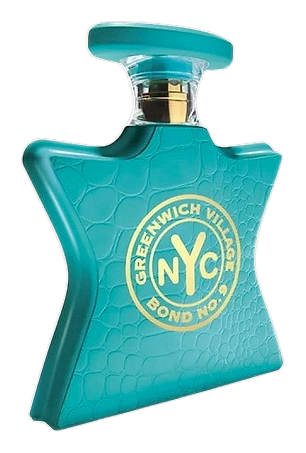
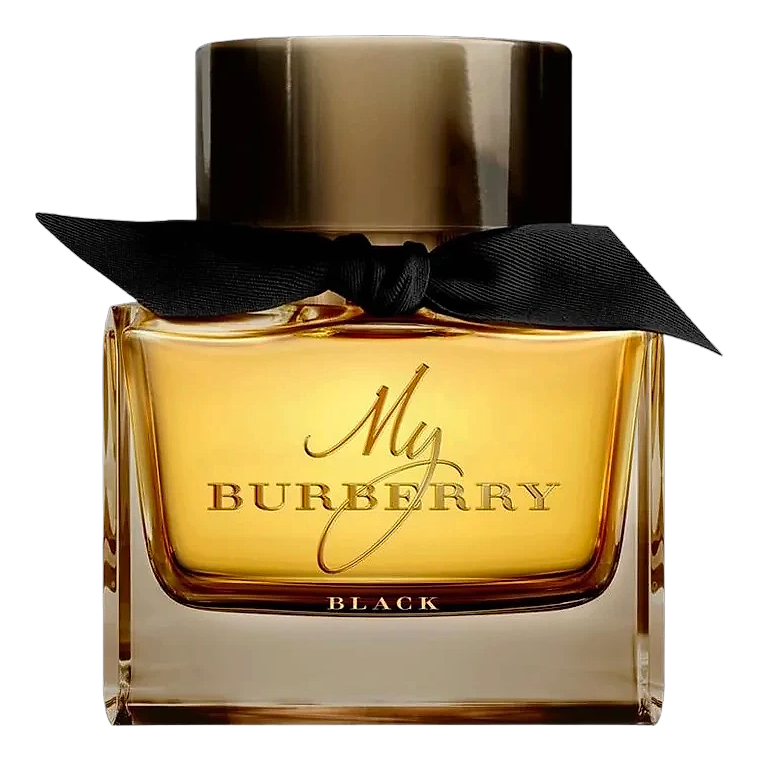
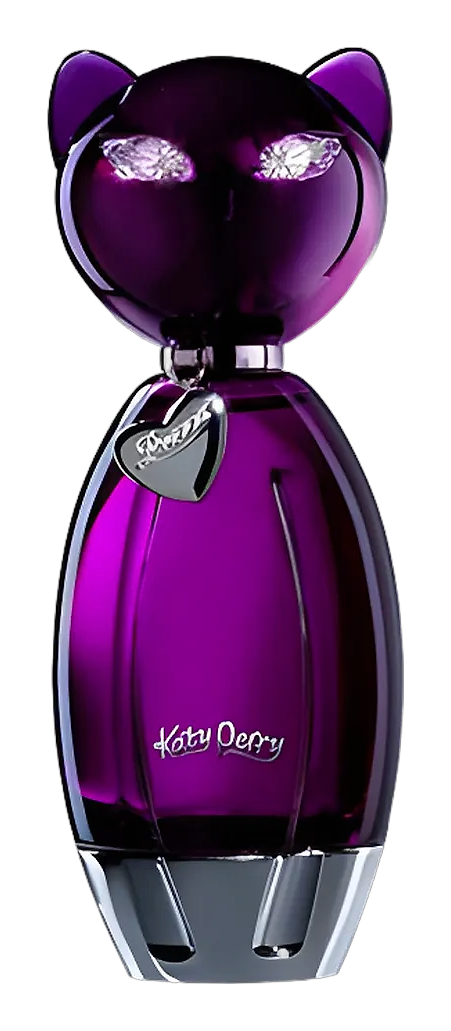
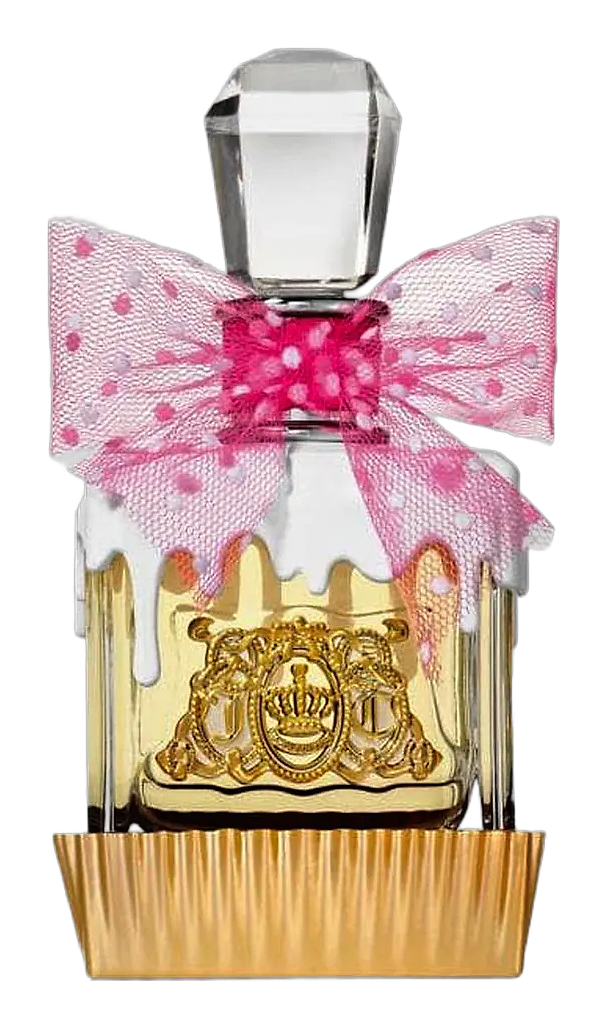
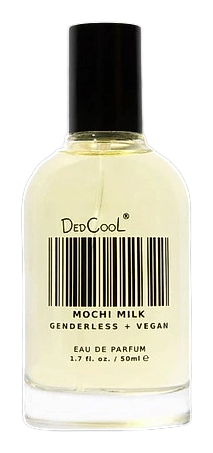
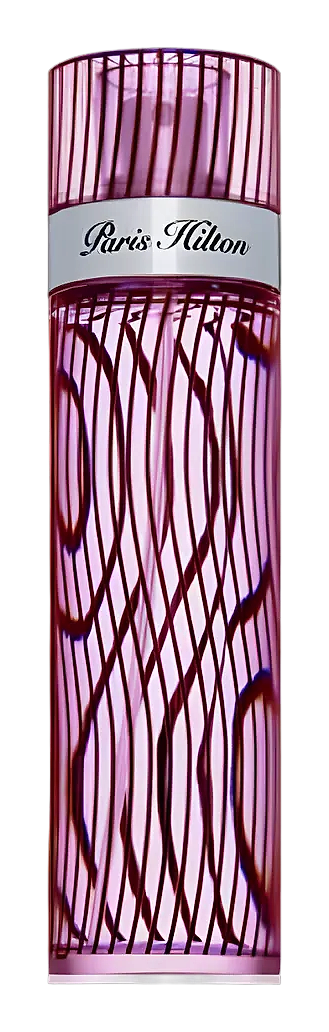
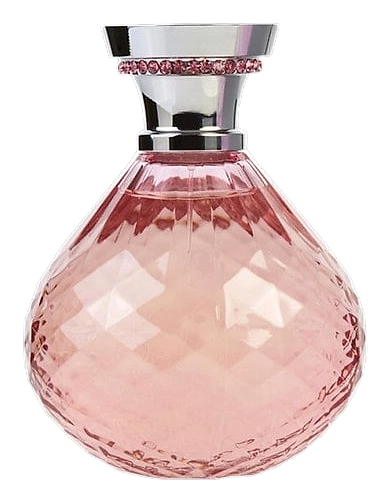
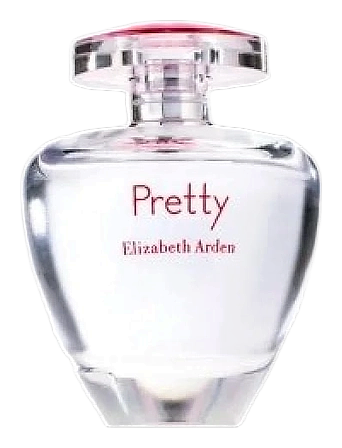
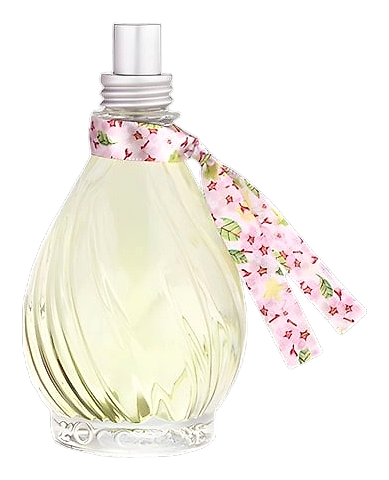
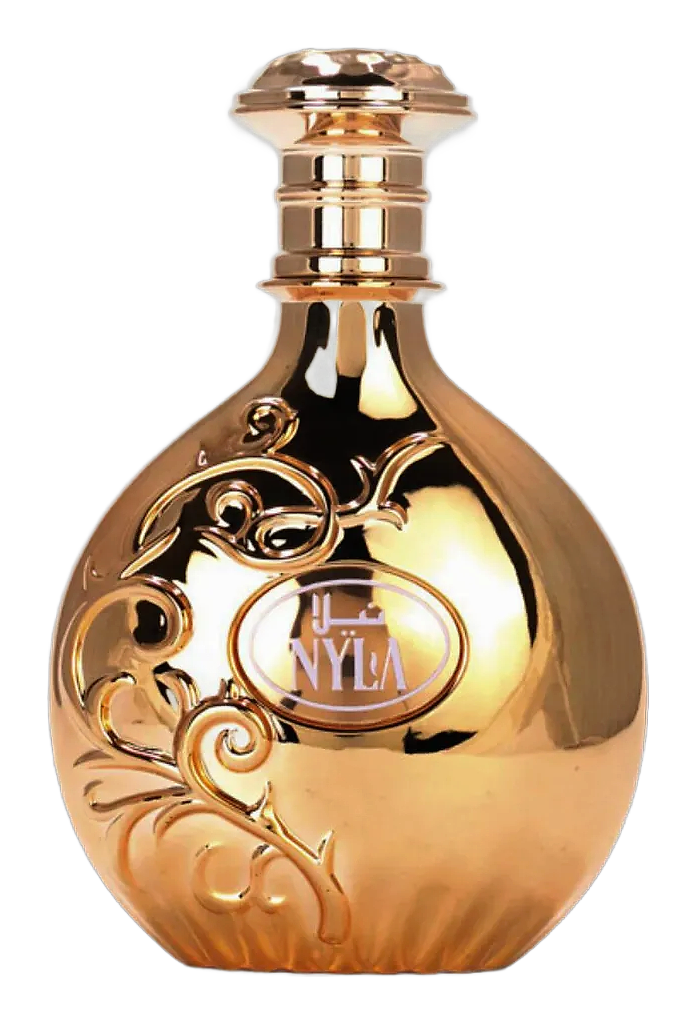
Fragrances featuring Peach Nectar


Brands
Brands known for Peach Nectar
Good to know
Questions, answered
The essentials on Peach Nectar in perfumery: how it smells, where it comes from, and how it behaves on skin.
Is peach nectar a natural or synthetic ingredient?
Peach nectar is entirely synthetic. No peach essential oil exists for perfumery. The aroma is reconstructed using gamma-decalactone and gamma-undecalactone, two lactones that together recreate the scent of ripe peach flesh.
What does peach nectar smell like?
Peach nectar smells juicy, creamy, and powdery, with a velvety softness in the drydown. It combines the bright sweetness of fresh fruit with a buttery warmth reminiscent of ripe yellow peach flesh.
Which lactones create peach aroma in perfume?
Gamma-decalactone and gamma-undecalactone form the core of peach reconstruction. Gamma-decalactone provides the sweet, buttery fruit character, while gamma-undecalactone (Aldehyde C-14) adds the softer, powdery finish that lingers on skin.
Does peach nectar come from the actual fruit?
No. While peach absolute exists as a natural extract, it is rarely used in fine fragrance. Perfumers prefer synthetic lactone reconstruction because it offers consistency, vividness, and control that natural peach extracts cannot match.
What family does peach nectar belong to?
Peach nectar falls under fruity notes in the perfume wheel, alongside apricot, plum, and nectarine. It reads as a top-to-heart note in most compositions and pairs naturally with florals, musks, and vanillas.
Which famous perfumes showcase peach nectar?
Mitsouko by Guerlain (1919) is considered the first fruity fragrance and remains a landmark. Modern peach-heavy scents include Dolce et Gabbana Light Blue, Chloe Eau de Parfum, and Oriens Dominus by Frederic Malle.
What perfumes pair well with peach nectar?
Peach nectar blends beautifully with rose, magnolia, and jasmine on the floral side, and with musks, sandalwood, and amber on the base side. It brightens woody compositions and adds warmth to citrus开场s.
How does peach vary by cultivar in perfumery?
Different peach cultivars yield different aroma profiles: white peaches are softer and more floral, while yellow peaches are brighter and more acidic. Perfumers select specific lactone ratios to match the cultivar character they want to evoke.