
The Story
Why it exists.
The beginning
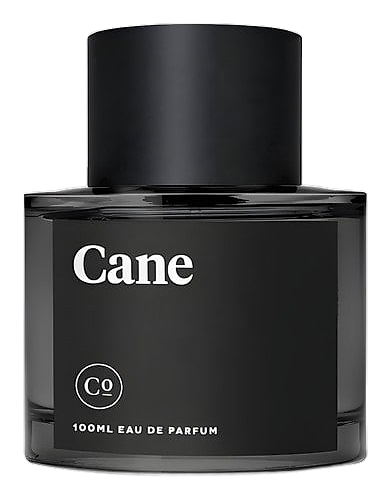
Cane arrived in 2013 as part of Commodity's debut lineup, composed by the perfumers at Robertet. The brand launched that year with an unusual premise built around giving the wearer real choices in how a fragrance could be worn. Cane fit squarely into that experiment, an aromatic composition built around contrasts that reward close attention rather than loud announcement. Grapefruit and rosemary at the top, tuberose at the center, leather and cedar at the base. A scent that asked to be discovered, not broadcast. The structure stays simple on paper: a citrus-and-herb opening, a creamy floral core, and a dry, slightly smoky base where cedar grounds everything.
What defines Cane is the tuberose sitting in the middle of an otherwise sharp, herbal composition. The grapefruit and rosemary at the top read clean and almost bracing, the kind of opening that suggests a straightforward aromatic. Then the florals arrive and shift the whole weight of the scent. Ylang-ylang and tuberose bring a creamy, almost waxy density, flowers with body, almost weight to them. That floral heart sits against leather and vetiver in the base, materials with grit.
The evolution
First 15 minutes: grapefruit and cardamom crack open with rosemary right behind them. Clean, sharp, almost breakfast-table bright. Then something unexpected. The florals arrive not as a whisper but as a slow lean, tuberose showing up fuller than the opening suggested, ylang-ylang adding a golden richness. This is the phase that surprises people. It reads almost feminine for a beat, then the leather and vetiver pull the whole thing back into grounded territory. By hour three, the citrus is gone. What's left is a warm, slightly sweet, slightly smoky blend of leather, cedarwood, and the ghost of that floral heart. Vetiver keeps it from going too soft. The drydown lasts 4-6 hours on most skin, settling into something close, personal, the kind of scent someone catches when they're near enough to matter. On clothes the next morning, it's cedar and leather, quiet and intact.
Cultural impact
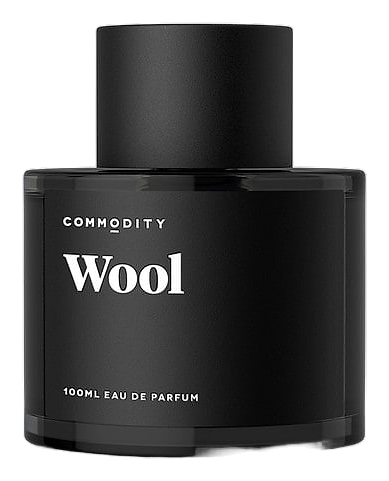
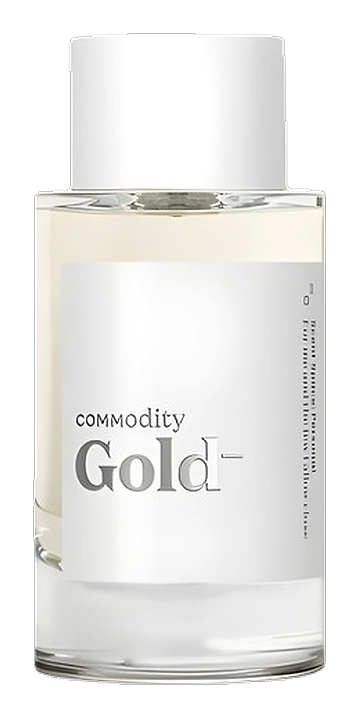
Cane belongs to Commodity's original debut collection, a lineup that included names like Pinot, Tea, Tonka, Dew, Orris, Oak, Cloth, and Cane. The naming convention was a deliberate choice, leaning toward a single-word vocabulary that let the scent speak for itself rather than wrapping it in elaborate copy. Cane leaned into floral territory, tuberose sitting prominently in the composition, while keeping the base grounded in leather and vetiver. Among the originals, it had the most unusual structure, pulling in flowers with weight and texture rather than staying in the clean herbal lane. The fragrance has since been discontinued.