The Story
Why it exists.
The beginning
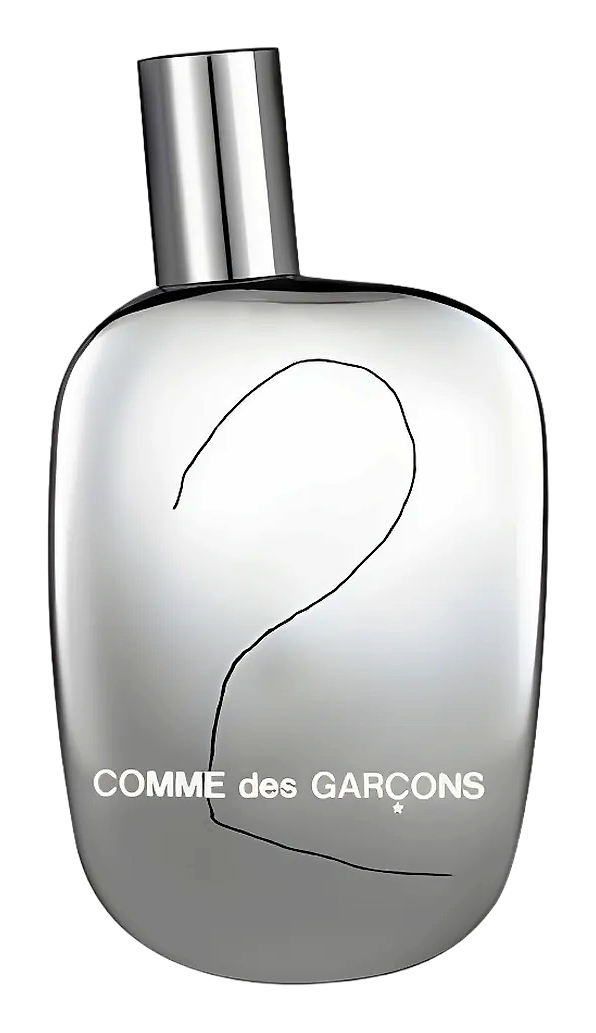
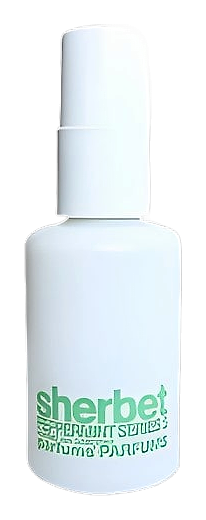
Comme des Garçons has never been interested in comfortable fragrance. The Sherbet series, launched as part of the house's ongoing exploration of edible and conceptual perfumery, takes the idea of sweetness and turns it inside out. Series 5 Sherbet: Peppermint is the opening movement of that investigation, a fragrance that asks what playfulness actually smells like when you strip away the sugar and keep the structure. Bertrand Duchaufour built this from a single premise: mint as a starting point, not a seasoning. Everything else, the berries, the spices, the warm base, exists in relation to that cold opening.
The note structure is deceptively simple. Mint leads, but the real work happens in how it ages. The white pepper and cardamom don't arrive as rescue, they deepen the conversation. The red berries and rose don't soften the mint; they complicate it. This is the distinction between a mint fragrance and a fragrance that uses mint. Duchaufour chose the latter. The result is a composition that stays true to its opening premise while finding warmth underneath, without ever dissolving into sweetness.
The evolution
The opening is mint the way a broken window is cold, direct, impossible to ignore. No softening. No preamble. Then the red berries arrive, and the chill becomes something you want to lean into rather than pull away from. The white pepper and cardamom kick in after twenty minutes, adding a warmth that shifts the entire register from sharp to intimate. The rose shows up quietly, a floral whisper that keeps the berries from becoming jammy. By the base, the mint is still there, held under the white musk and amber like a hand pressed flat on skin. The drydown stays close, present for 4-6 hours without ever projecting beyond arm's reach.
Cultural impact
Series 5 Sherbet: Peppermint occupies an unusual position in the CdG fragrance catalog, a entry point that is also one of the more approachable compositions in the line. The Sherbet series predates the more extreme directions the house would later explore. It reads now as a document of a moment when avant-garde fragrance was still finding its relationship with wearability.